












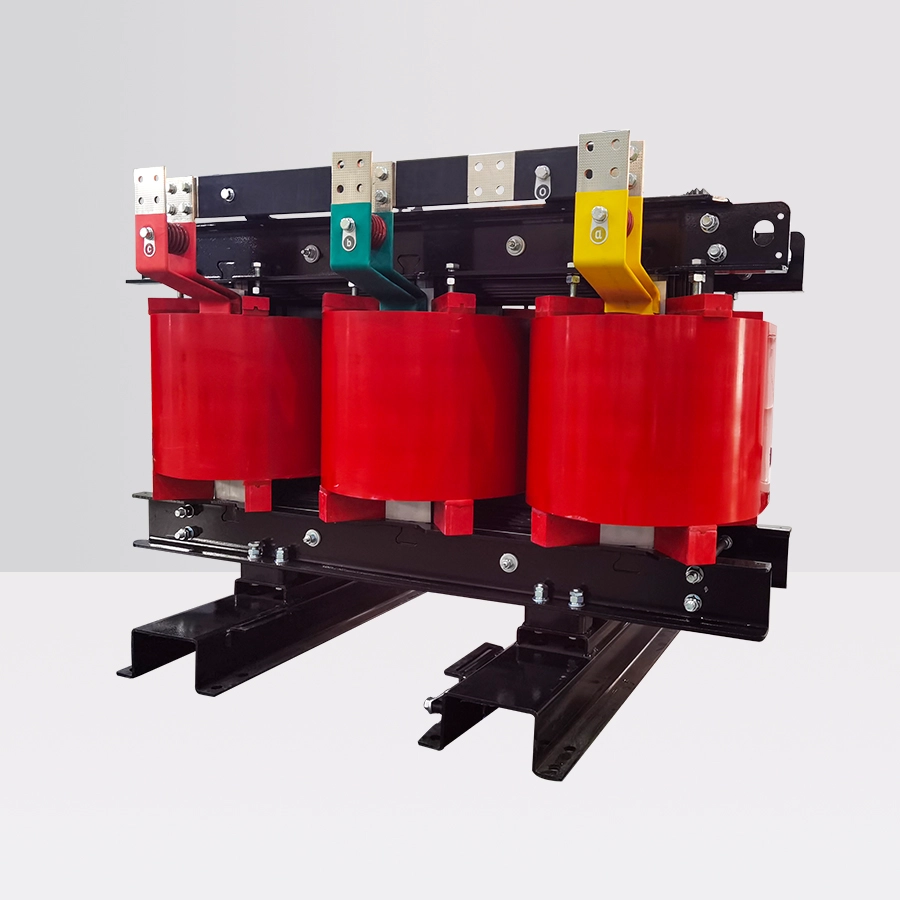
Thermal management remains a decisive factor for lithium-ion battery longevity and safety. In response, engineering teams have adopted Industrial Air Cooling Modular Design to replace traditional liquid-cooled architectures in many mid-scale deployments. By using forced-air channels and modular fan arrays, these designs reduce parasitic energy consumption while simplifying maintenance. The modular approach also allows operators to scale cooling capacity by adding or removing units, adapting to different containerized or rack-mounted battery configurations.
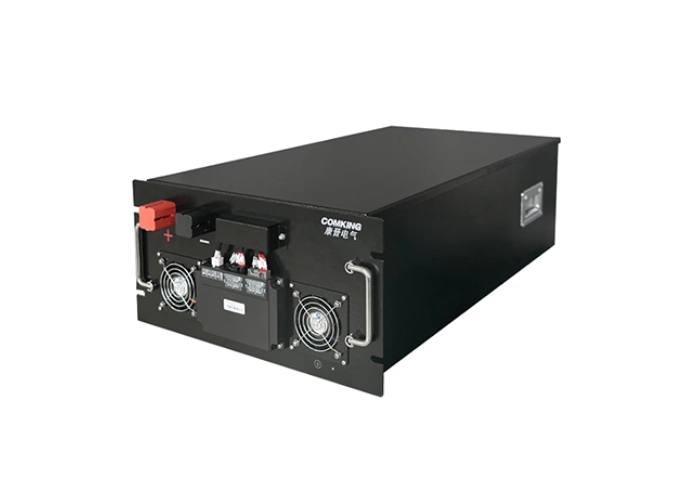
Across numerous recent installation projects, one common requirement has been the ability to source repeatable, field-proven components. Manufacturers responding to this need have focused on Standard Module High Cost Performance as a guiding principle. Rather than pursuing custom-built enclosures, suppliers are offering pre-qualified power conversion modules, BMS slave boards, and air-cooling cassettes that can be easily replaced. This strategy lowers inventory complexity and reduces engineering time during system commissioning.
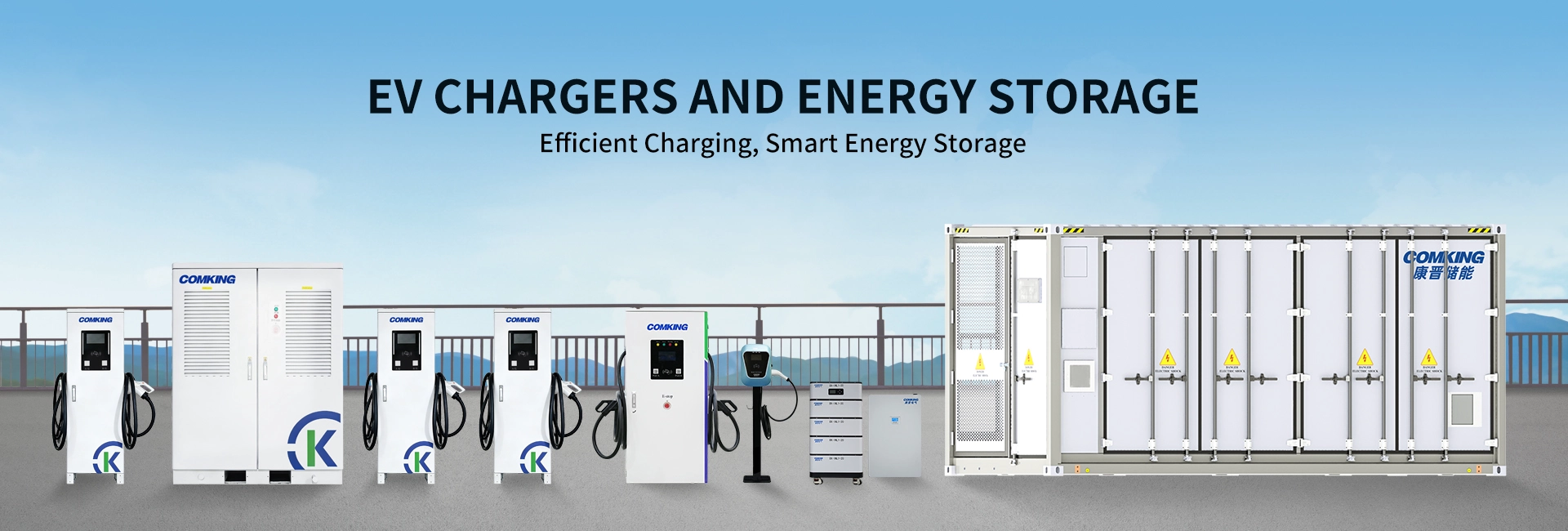
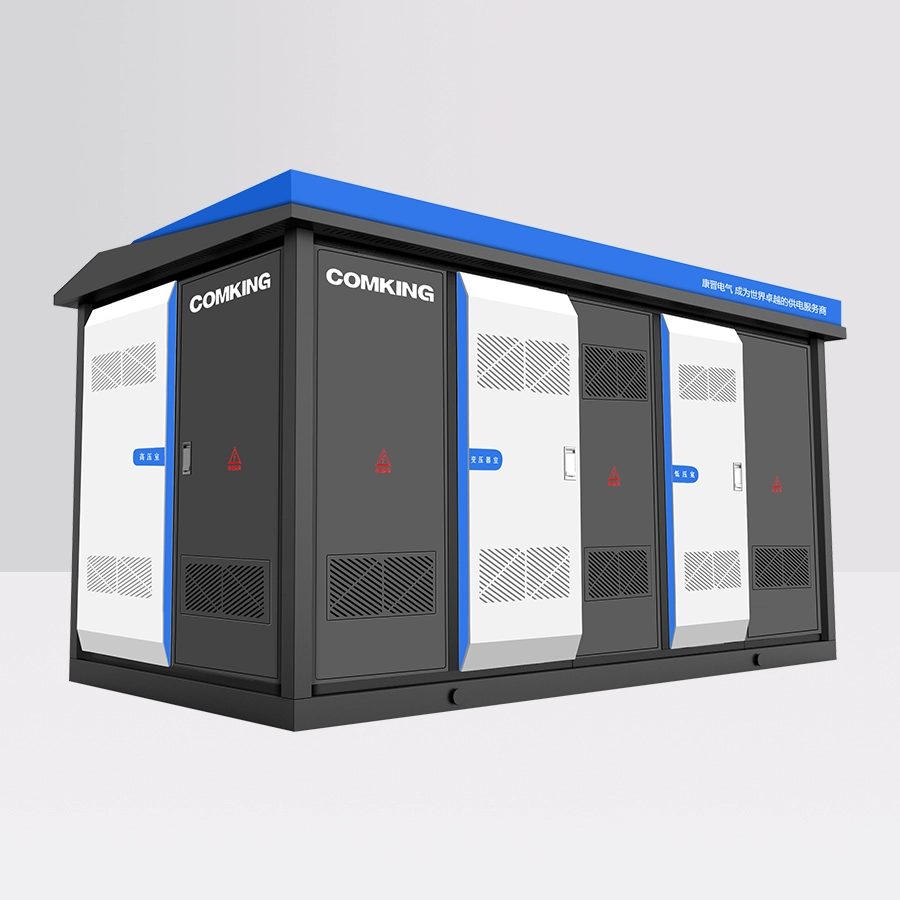
Zhuhai Comking Electric Co., Ltd. has been actively supporting energy storage integrators with a portfolio that aligns with these three pillars. The company sources and integrates BMS solutions from partner supply chains while ensuring compatibility with its own power distribution and control cabinets. For a recent 5MWh grid-side storage project, Comking Electric deployed an enclosure combining forced-air cooling channels with standardized battery module holders, achieving stable temperature differentials below 4°C across all cells.
Field data from operating sites show that the Industrial Air Cooling Modular Design reduces auxiliary power draw by approximately 18–22% compared to comparable liquid-cooled systems in moderate climate zones. Maintenance teams also report faster service interventions because individual fan trays and filter panels can be swapped without draining coolant or shutting down the entire rack. When paired with a competent Low cost BMS supplier china, the overall bill of materials remains competitive while meeting safety and cycle-life expectations.
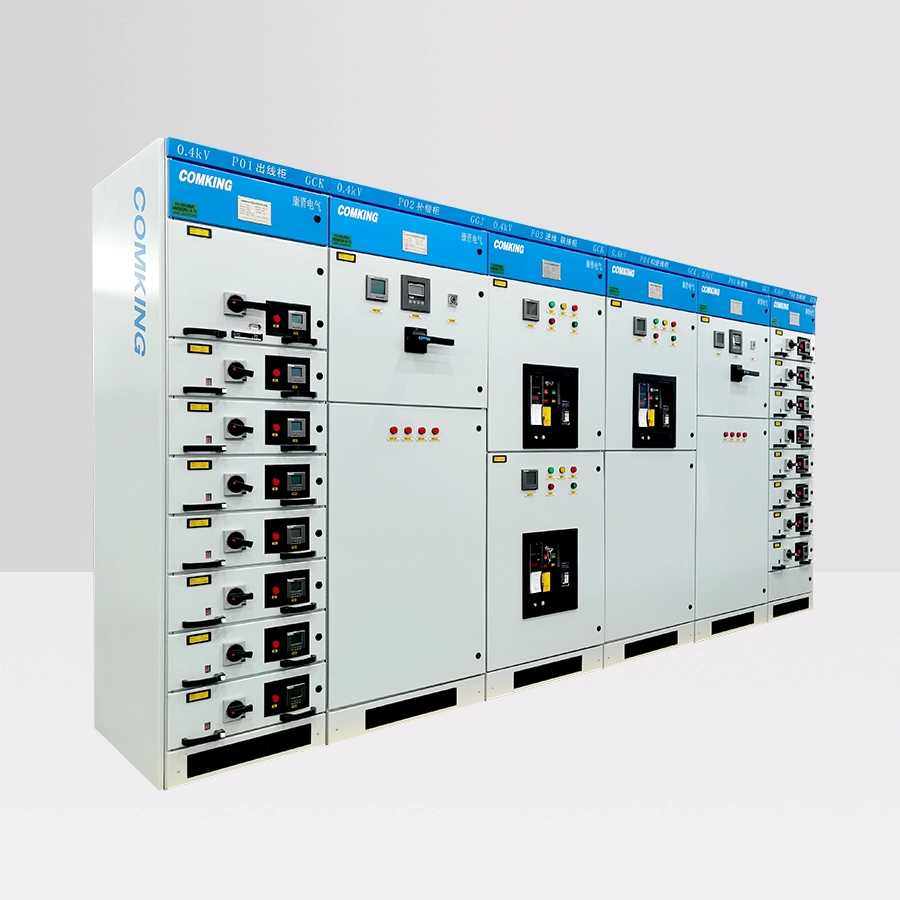
Another advantage of relying on Standard Module High Cost Performance is the ability to replicate successful designs across multiple sites. A recent microgrid cluster in an industrial park utilized identical 100kW power stages and BMS communication boards for ten separate containers. Zhuhai Comking Electric Co., Ltd. provided the low-voltage distribution and control backbone, ensuring that each standard module performed uniformly. This repeatability significantly reduced both upfront engineering and long-term spare parts management.
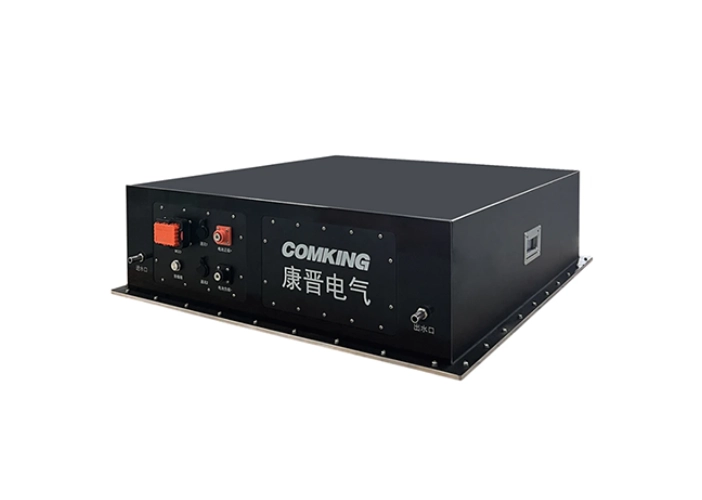
While some competitors emphasize proprietary cooling loops, the air-cooled modular route offers tangible benefits for applications where ambient temperatures are controlled or where water-based systems introduce leak risks. By selecting industrial-rated axial fans with dust filters and speed control, engineers can achieve IP54 protection at the enclosure level. Combined with a capable Low cost BMS supplier china that provides cell voltage and temperature monitoring, the resulting energy storage solution meets international safety standards such as IEC 62619 without excessive cost escalation.
Zhuhai Comking Electric Co., Ltd. continues to work with integration partners on system-level validation, including thermal simulation and BMS communication testing. The company does not claim market leadership but instead focuses on delivering practical, reliable assemblies based on Industrial Air Cooling Modular Design and Standard Module High Cost Performance. For project managers looking to source from Asia without compromising quality, this approach provides a balanced pathway.
As the energy storage industry matures, the combination of sensible BMS sourcing, forced-air modular cooling, and standardized power modules will likely become a baseline expectation for low-risk investments. Zhuhai Comking Electric Co., Ltd. remains available for technical consultations and pre-delivery inspections, ensuring that each shipment aligns with the specified thermal and electrical parameters. More information about their system integration capabilities can be obtained through direct inquiry.