













How Primary and Secondary Fusion is Reshaping Global Distribution Automation
As the global demand for smart grids intensifies, the power distribution industry is undergoing a significant technological transformation. At the heart of this shift is the move towards more integrated and intelligent field devices. Industry experts are increasingly focusing on primary and secondary fusion technology to enhance grid reliability and reduce equipment footprint.
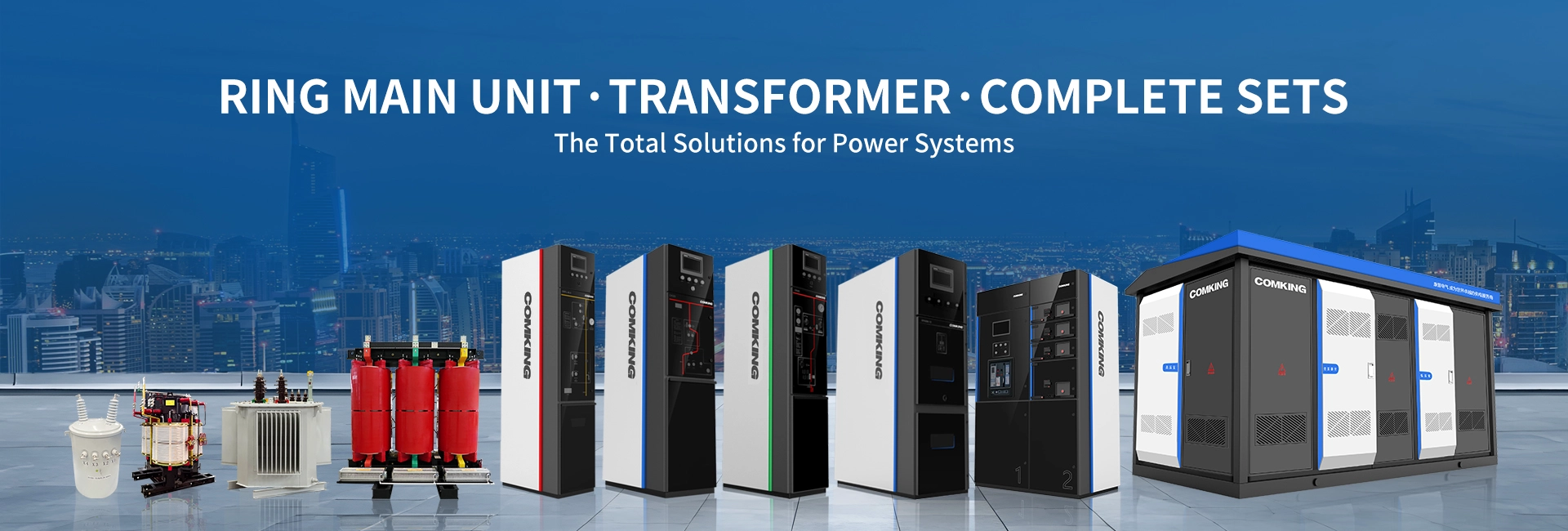
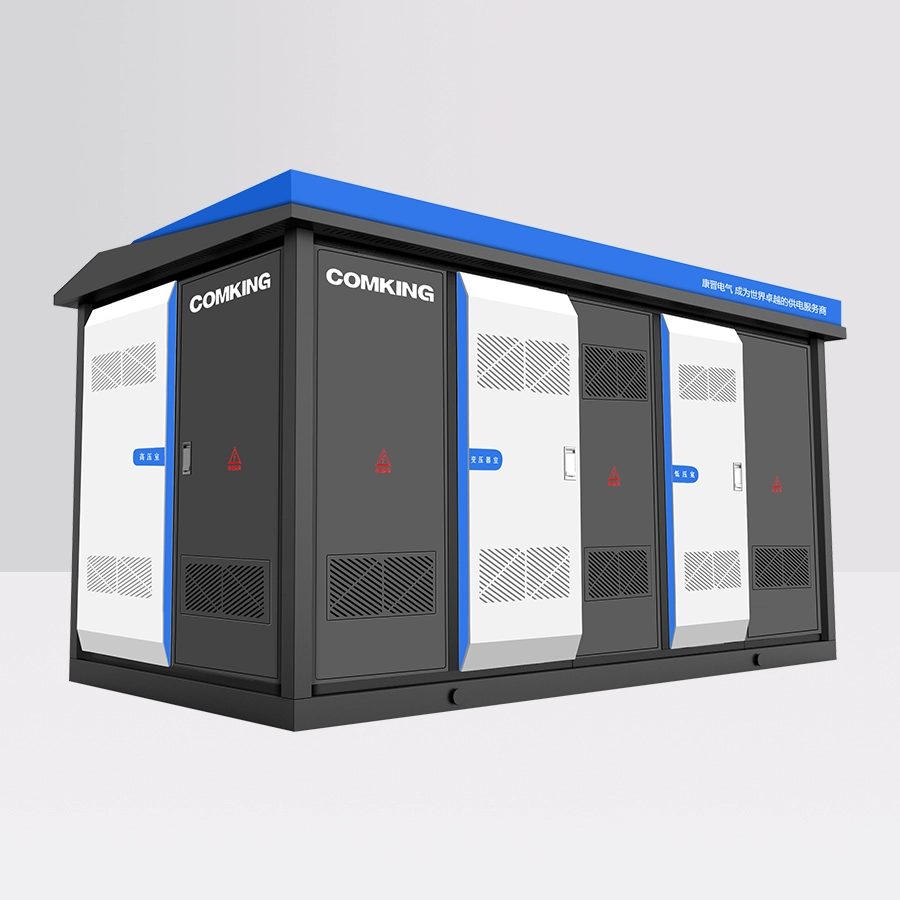
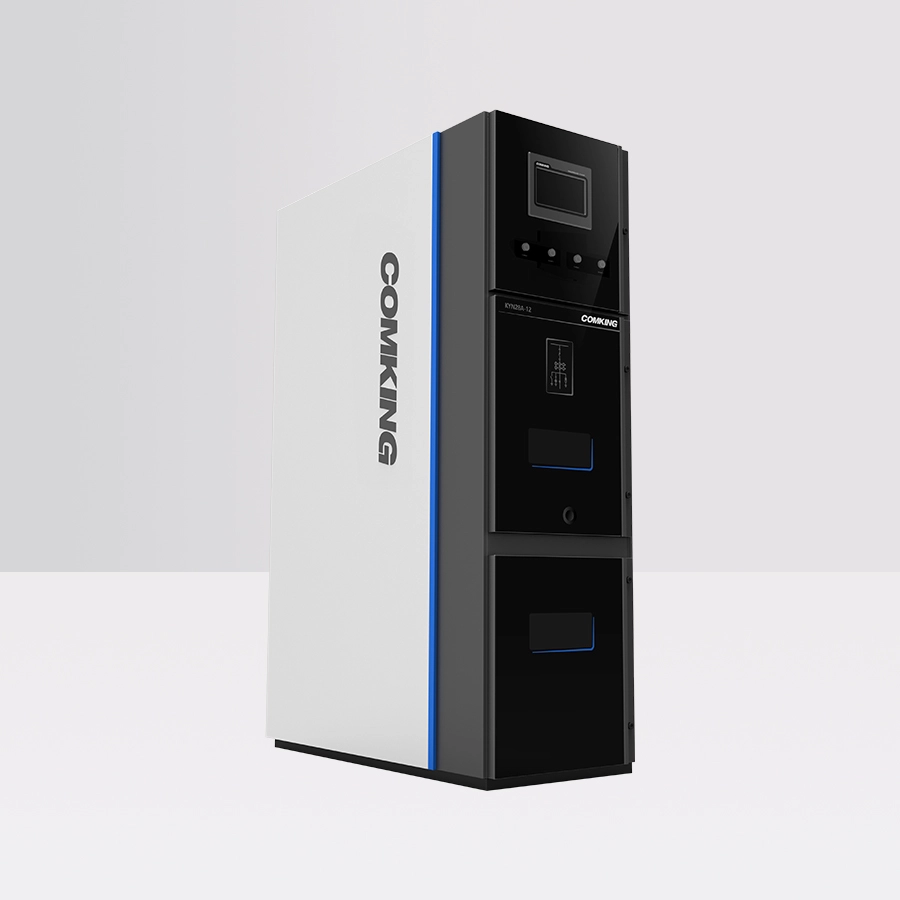
Traditionally, the primary high-voltage equipment (like switchgear) and the secondary monitoring and control systems (like terminals) were separate. However, the trend of "fusion" integrates these components into a single, seamless unit. According to technical analyses, this integrated design improves measurement response speed and local fault isolation capabilities, making it a cornerstone of modern distribution networks.
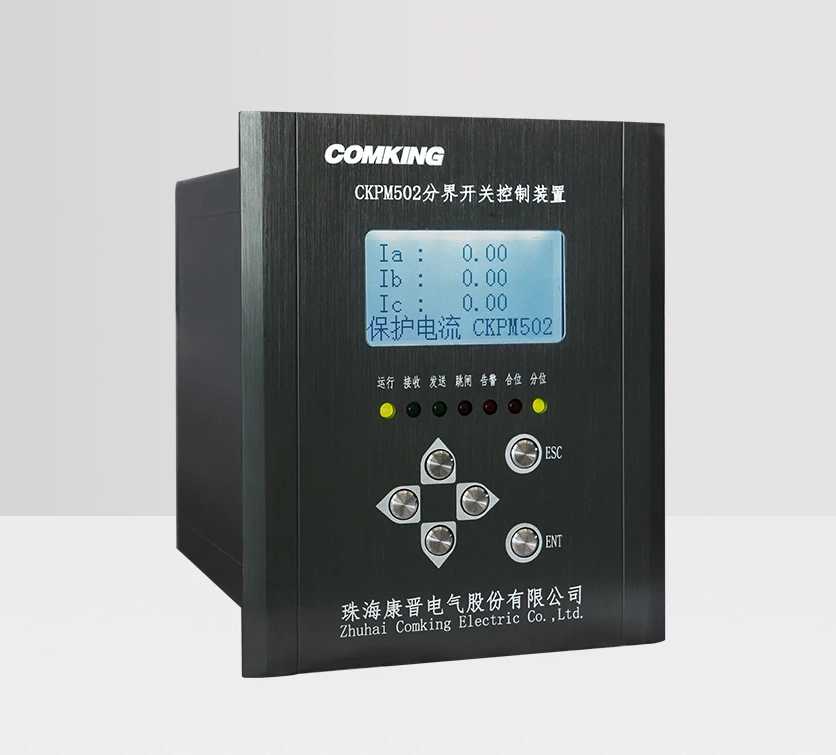
The Evolution of the Feeder Terminal
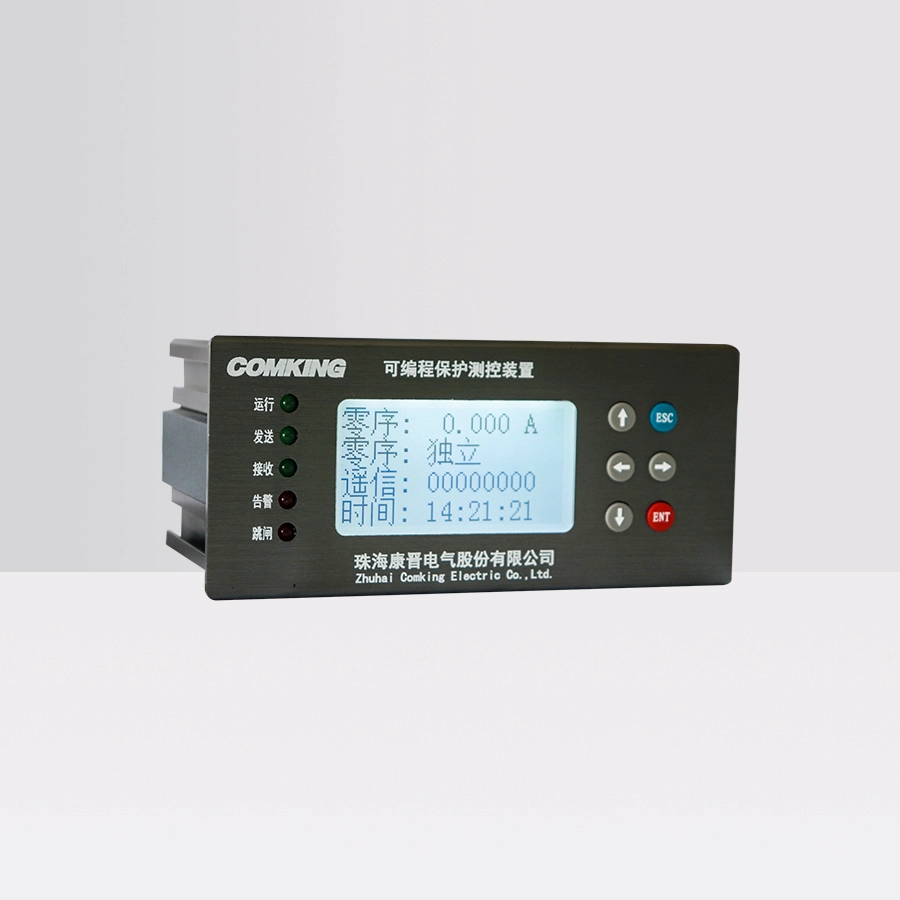
With the physical integration of hardware, the requirements for software and data management have also evolved. This is where advances in the Distribution automation Feeder terminal Remote maintenance capabilities come into play.
In many modern distribution networks, Feeder Terminal Units (FTUs) are installed in harsh environments or remote locations. Historically, on-site visits were required for troubleshooting or upgrades. To address this, companies are now prioritizing remote maintenance functions. This includes remote firmware upgrades, parameter modifications, and fault diagnosis. Recent industry research highlights that implementing contactless operation and maintenance via wireless communication can significantly reduce safety risks for personnel and improve overall operational efficiency.
The Role of Edge Computing in Low-Voltage Networks
The final piece of the intelligent distribution puzzle lies at the grid edge. The TTU Edge IoT supplier china ecosystem is playing a vital role in bridging the gap between physical transformers and cloud-based management platforms.
The Transformer Terminal Unit (TTU) has evolved from a simple data collector to a powerful edge computing node. These devices now support containerization technologies and app-based management, allowing for real-time data analysis and decision-making directly at the transformer site. This "Edge IoT" architecture ensures that vast amounts of data from the low-voltage grid can be processed locally, reducing latency and bandwidth usage on the main cloud systems.
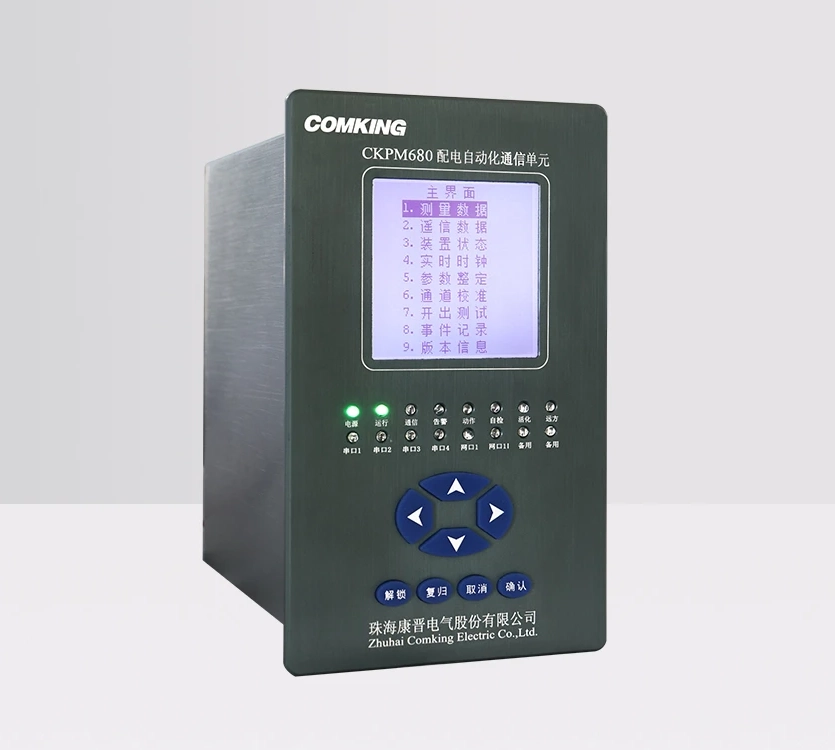
A Strategic Partner in Smart Grid Evolution
Leading the charge in providing these advanced distribution solutions is Zhuhai Comking Electric Co., Ltd. . As a national high-tech enterprise established in 2006, Comking specializes in the R&D and production of smart grid distribution equipment, including digital ring main units and distribution automation terminals.
By leveraging primary and secondary fusion, enhancing remote maintenance capabilities for feeder terminals, and deploying advanced TTU Edge IoT solutions, suppliers like Comking are enabling utilities worldwide to build more resilient, efficient, and intelligent power distribution networks.