














Intelligent Energy Storage: The Role of Advanced BMS Solutions in 2026
As the global energy storage landscape enters a phase of high-volume expansion and technological refinement, the components that ensure safety, efficiency, and longevity have moved to the forefront of industry discourse. With the rapid iteration of large-format battery cells exceeding 500Ah, the margin for error in thermal management and state estimation has narrowed considerably. In this context, the intelligence embedded within the Battery management slave control module and the central processing unit of the system has become the primary differentiator between standard and high-performance energy storage systems.
The Shift Toward Distributed Intelligence
Modern energy storage systems, whether deployed in utility-scale projects or commercial and industrial (C&I) applications, are increasingly characterized by their complexity. A single rack can now contain thousands of cells, making real-time, accurate data acquisition a challenge. This is where the Battery management slave control module plays a critical role.
Designed for high-precision data acquisition, these modules are responsible for the granular monitoring of individual cell voltages and temperatures. Industry standards now demand voltage measurement accuracies reaching ±3mV, a necessity for accurate State of Charge (SOC) calculations and early detection of thermal anomalies. By processing data at the module level, these slave controllers reduce the computational burden on the central unit and enable faster response times to local irregularities. This distributed architecture ensures that as energy densities increase, the "safety per square meter" ratio keeps pace with regulatory demands.
Centralized Command: The Battery Management Integrated Machine
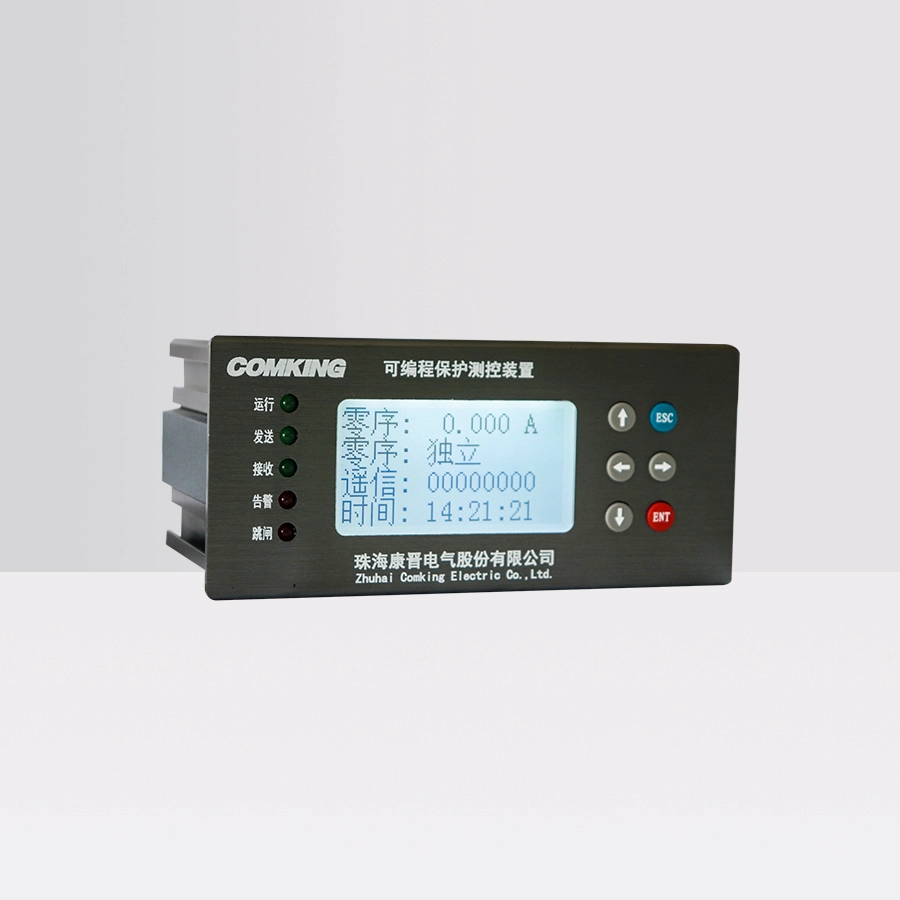
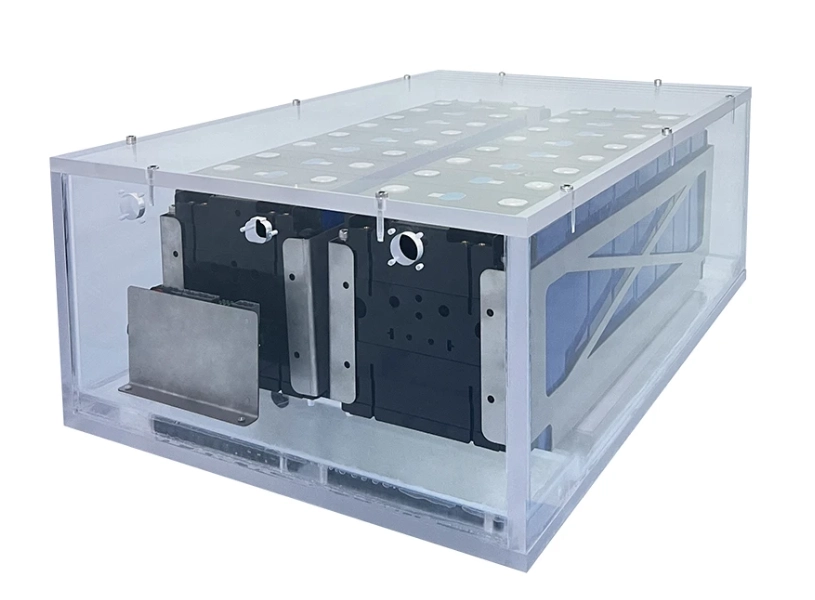
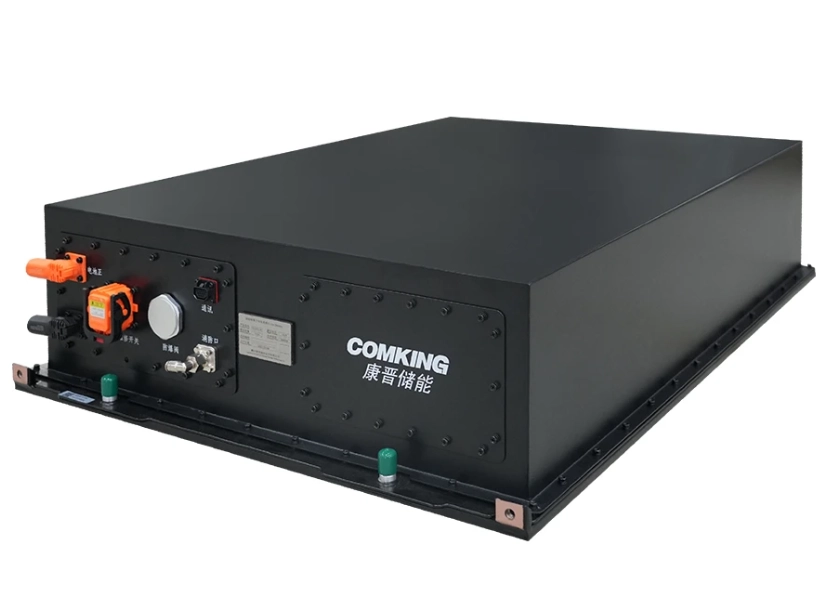
While slave modules handle the micro-level data, the brain of the operation lies within the Battery management integrated machine. Often referred to as the master controller or main control unit, this component aggregates data from all slave modules to orchestrate the system"s overall behavior.
The current trend points toward a "three-tier" architectural model: high-precision perception at the slave level, refined control at the master level, and strategic decision-making at the system level. A robust Battery management integrated machine does not merely collect data; it runs complex algorithms for State of Health (SOH) estimation, performs insulation detection, and manages communication with the Power Conversion System (PCS) and the higher-level Energy Management System (EMS).
Furthermore, with the integration of cloud connectivity, these integrated machines are evolving from reactive protectors to predictive assets. By utilizing edge computing, they can make split-second decisions to isolate a faulty string, while simultaneously uploading performance data for fleet-wide analysis and over-the-air (OTA) updates. This synergy between on-site reliabzility and cloud-based learning is defining the next generation of grid stability.
Cost Optimization Without Compromise
In a market where the levelized cost of energy (LCOE) is under constant scrutiny, the sourcing strategy for core components is pivotal. The industry is witnessing a shift where system integrators are moving away from vertical integration of every component toward strategic partnerships with specialized third-party suppliers. This is particularly evident in the search for a low cost BMS supplier china, where the value proposition extends beyond initial hardware savings.
The "low cost" label in today"s mature market does not imply a reduction in capability. Driven by advancements in domestic analog front-end (AFE) chips and streamlined manufacturing processes, Chinese suppliers are offering BMS solutions that significantly lower the barrier to entry for high-quality storage. These suppliers provide cost-effective scalability, allowing startups and established integrators alike to deploy systems that comply with stringent international safety standards—such as those requiring robust battery health diagnostics—without the burden of massive in-house R&D expenditure.