












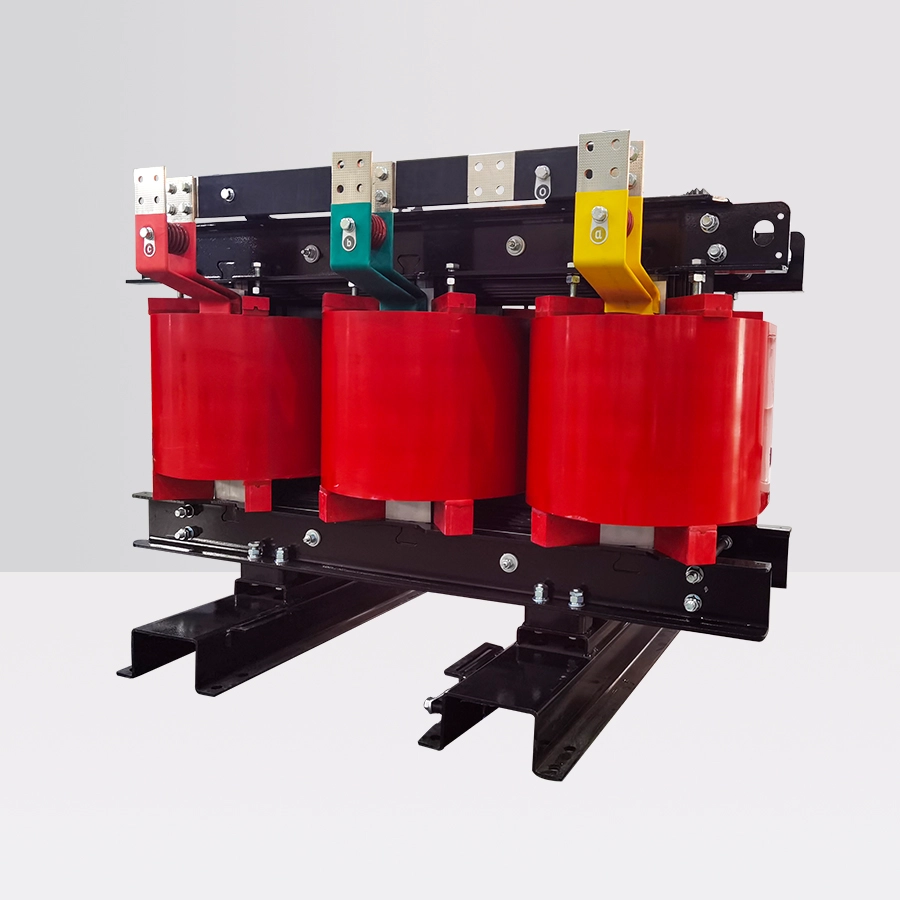
Next-Generation EV Charging Infrastructure: The Rise of High-Power Liquid Cooling Solutions
As the global electric vehicle (EV) market continues to expand, the demand for faster, more reliable, and energy-efficient charging infrastructure is driving significant technological advancements. Industry attention is increasingly turning toward high-power charging systems that can support fleet operations, commercial applications, and high-utilization public stations.
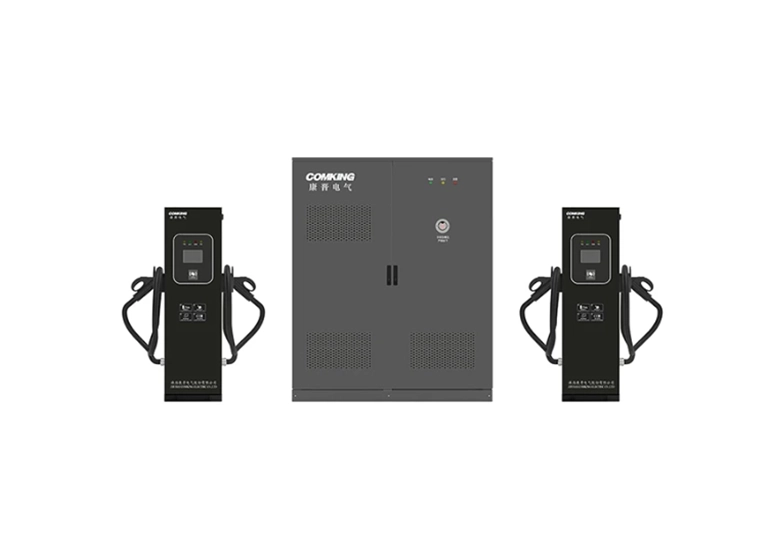
In response to this growing demand, manufacturers are focusing on integrating advanced thermal management systems into their product lines. One of the most notable developments is the introduction of the 360KW Liquid Cooling EV charger, a solution designed to maintain optimal performance during extended high-speed charging sessions. By effectively managing heat dissipation, liquid cooling technology allows for higher power output while reducing cable weight and minimizing wear on internal components, thereby enhancing both safety and longevity.
Within this evolving landscape, suppliers are moving beyond single-function equipment to offer versatile platforms. The concept of the EV Charger Multi-mode supplier china has emerged as a key trend, where manufacturers provide systems capable of dynamically switching between different charging modes—such as fleet charging, public fast charging, and destination charging—within a single hardware architecture. This flexibility is particularly valuable for operators looking to maximize utilization rates across varied use cases.
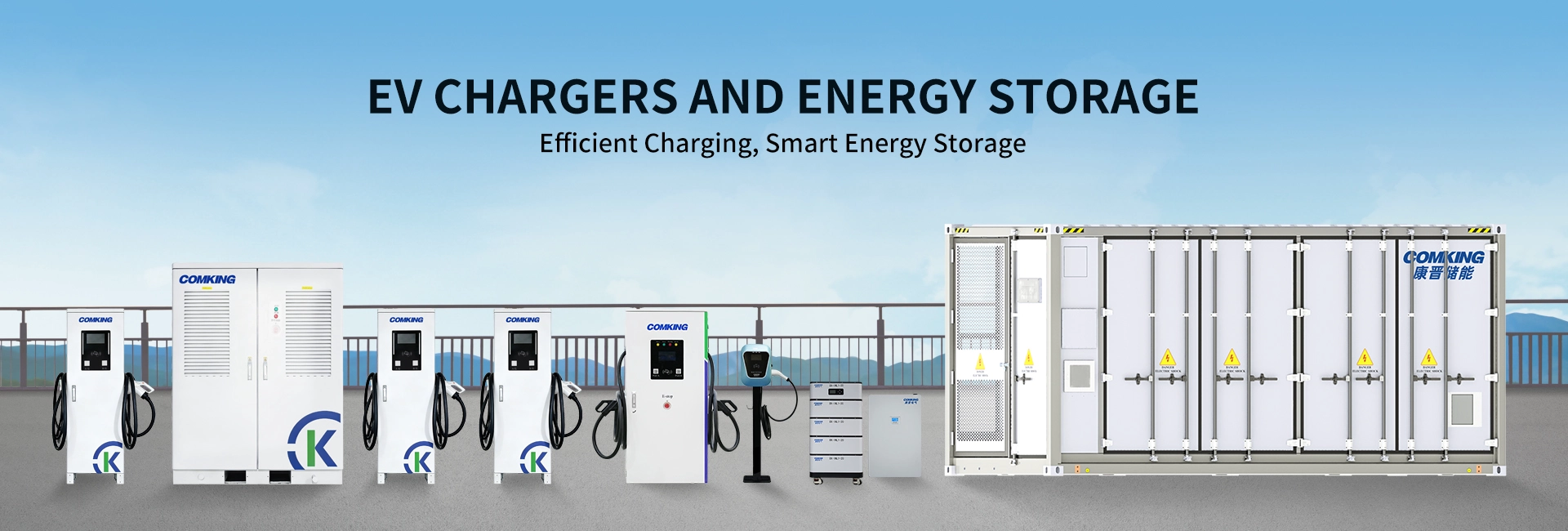
At the core of these high-performance systems is the DC charger, which remains the backbone of rapid charging networks. Unlike AC alternatives, DC chargers deliver power directly to the vehicle’s battery, significantly reducing charging time and making them essential for highway corridors and urban fast-charging hubs.
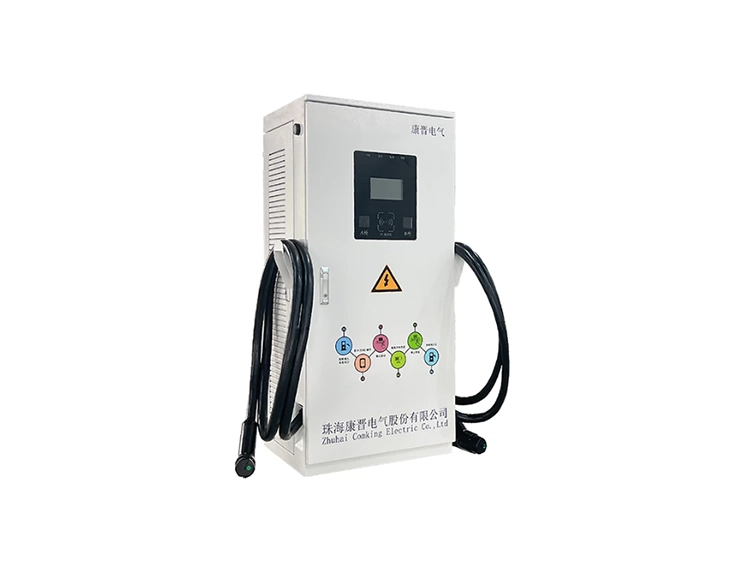
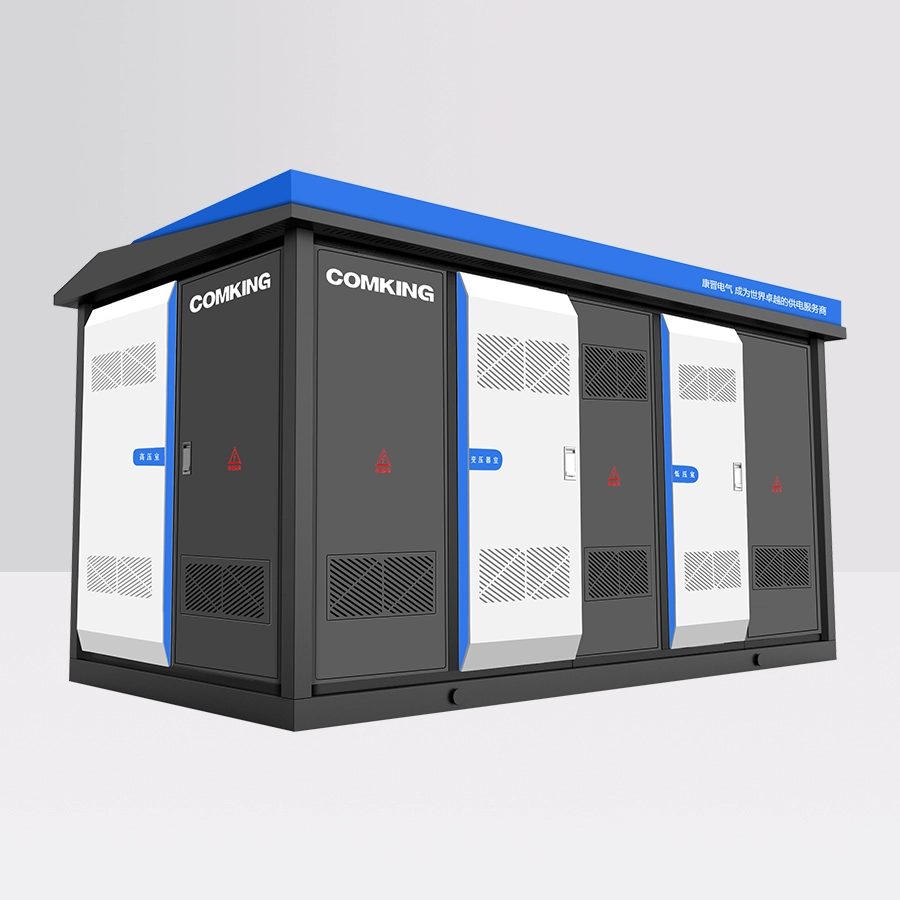
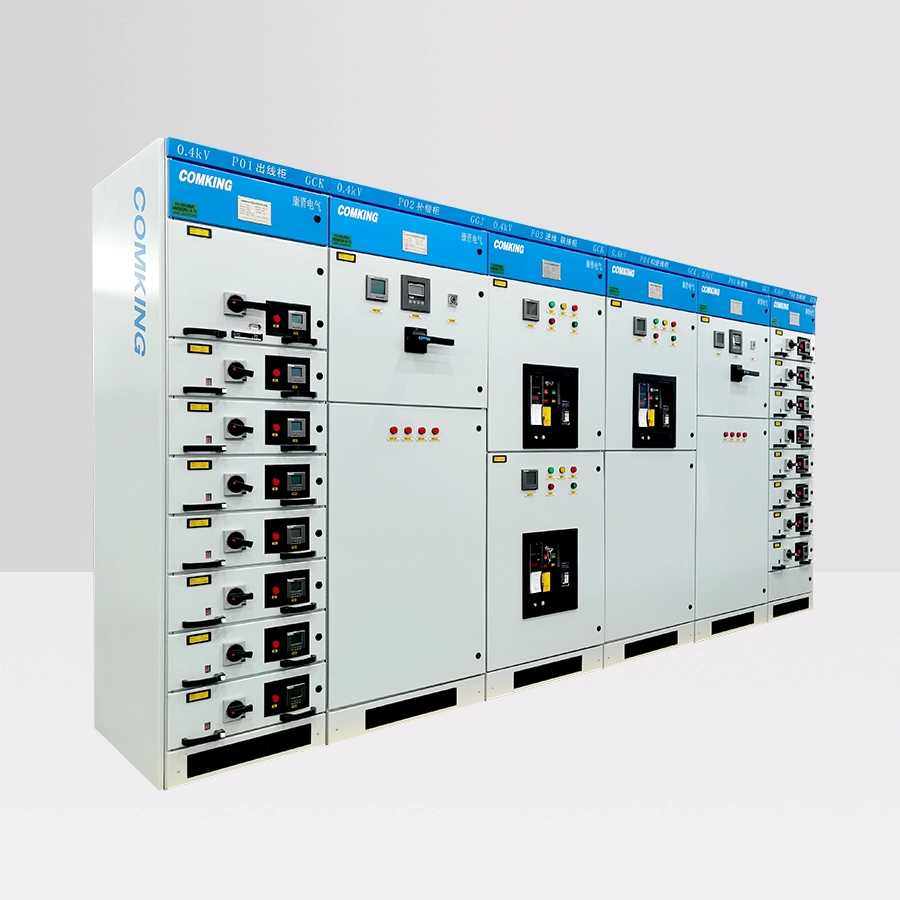
One company contributing to this technological shift is Zhuhai Comking Electric Co., Ltd. , which has been developing integrated solutions that combine liquid cooling architecture with multi-mode operational capabilities. Their approach reflects a broader industry movement toward modular, scalable charging infrastructure designed to meet the diverse requirements of modern EV ecosystems.
As electrification accelerates globally, the convergence of high power output, intelligent thermal management, and operational flexibility is expected to define the next generation of EV charging equipment. For operators and end-users alike, these innovations point toward a future where charging speed, equipment reliability, and energy efficiency are no longer trade-offs, but standard features.