




Electric Switchyard: What It Does and When to Use a Mobile Substation
A mobile substation may arrive on a trailer, but connecting it to the network still requires careful engineering.
During planned work at a substation, a transformer, breaker or switchyard equipment may require replacement, but the utility must still decide how to isolate the circuits, connect the temporary equipment and maintain an acceptable operating configuration while the work proceeds. Whether the mobile substation is useful depends on that operating plan.
What does an electric switchyard do?
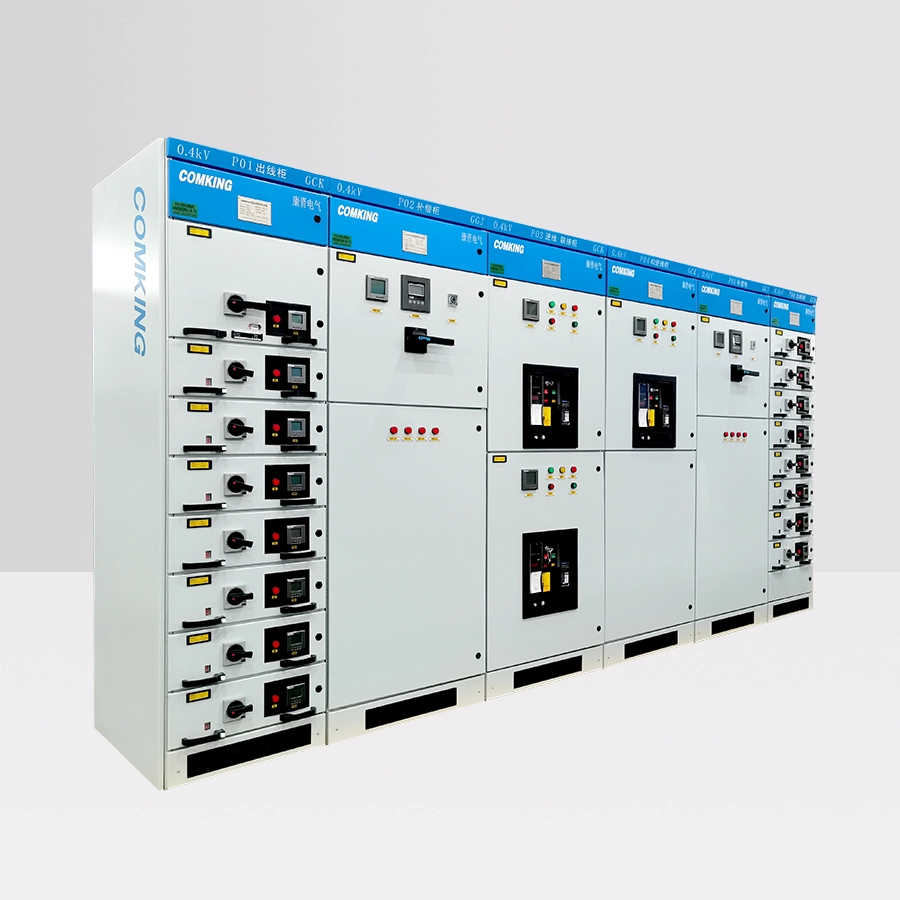
An electric switchyard is the part of a power installation where circuits are connected, switched and isolated. Depending on the site, the equipment can include busbars, circuit breakers, disconnectors, instrument transformers and surge arresters.
Switching allows operators to route power through the network and isolate equipment for maintenance or following a fault. Substations can also transform voltage and perform other network functions. A substation may serve as a transmission switching point, a voltage transformation point, a voltage-control and reactive-power compensation location, or a source of distribution circuits.
Switchyard vs.substation: What's the difference
In many project documents, switchyard refers to the high-voltage switching area, while substation describes the larger facility, which may also contain transformers, buildings and control systems.
For an engineering review, the single-line diagram is more useful than the label. It shows which circuits enter and leave, where the transformer interfaces sit and which protection zones the planned work will affect.
Planning the operating transition
Replacing equipment in a live network requires a sequence of operating changes. A section is taken out of service, temporary connections are established, tests are completed and the network is returned to its intended configuration.
The network control authority must approve the switching programme and each operating transition. The plan needs to cover the switching sequence, protection coordination, earthing, cable and bus connections, site access, commissioning tests and the conditions for returning to normal operation.
Schedules often become vulnerable at this stage. The physical equipment may be available even though the connection details, outage window or site preparation remain unresolved. A mobile substation will help only if those interfaces are settled in time.
When to evaluate a mobile substation
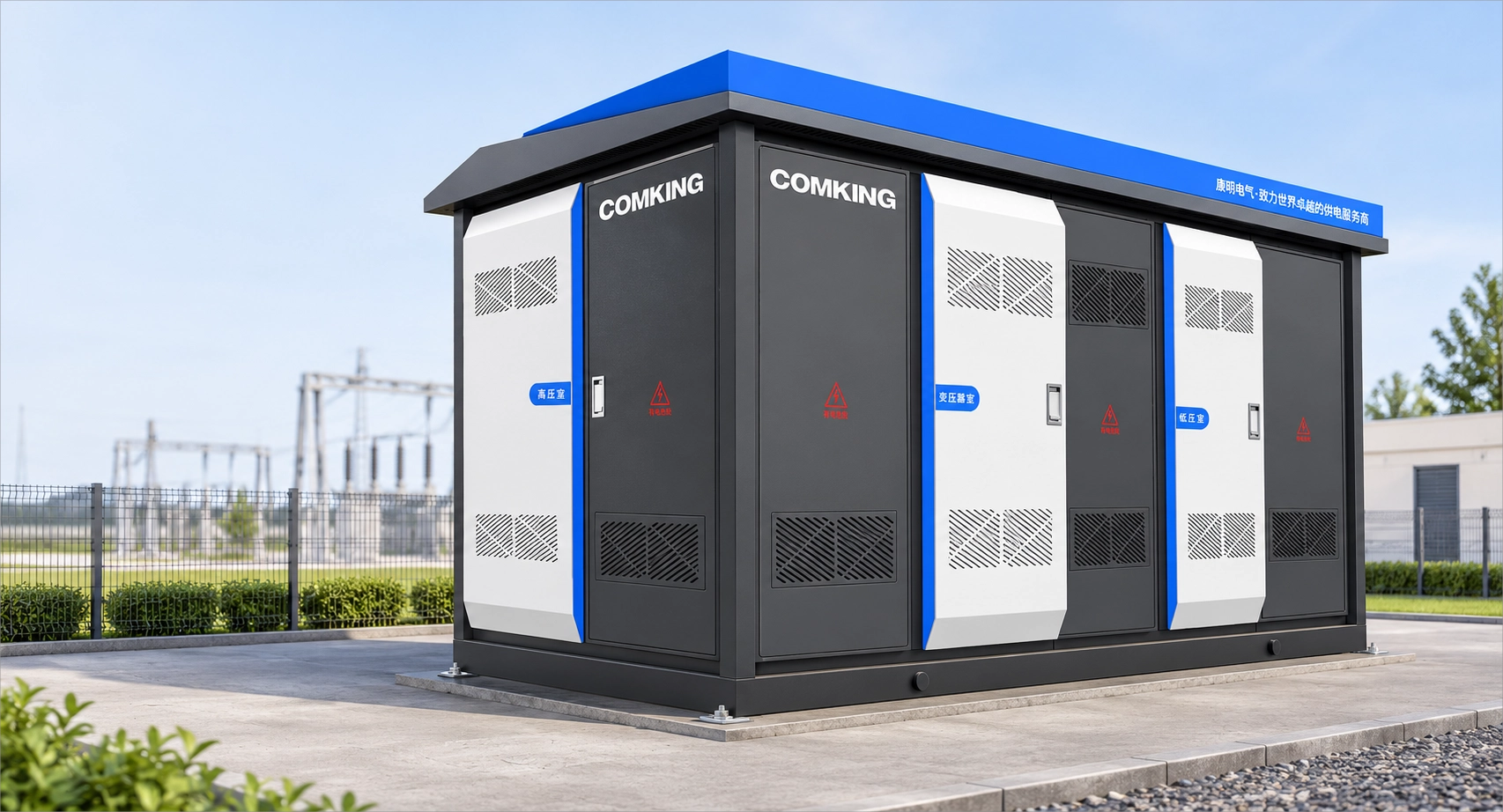
Utilities and project teams may evaluate mobile substations for planned maintenance, emergency restoration, temporary grid connections or staged upgrades. They may also be useful when load relocation or a permanent installation is not yet ready.
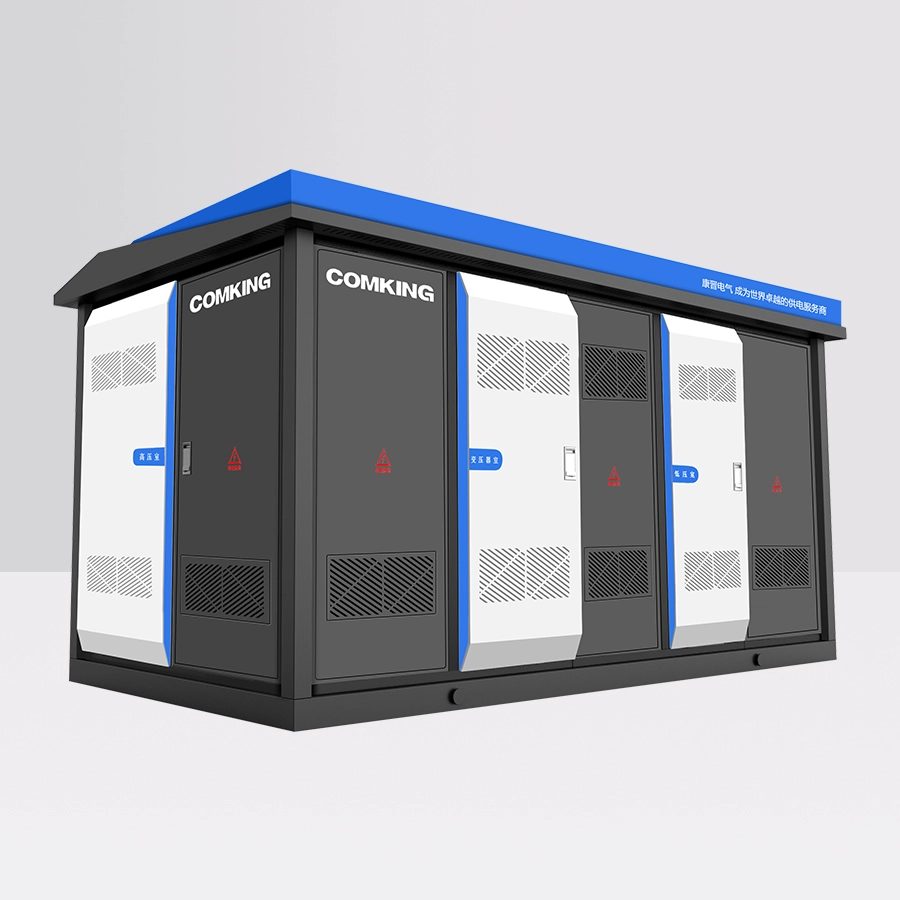
Configurations vary. A unit may be trailer-mounted, skid-mounted or divided among transportable modules. It may contain a transformer, high-voltage and medium-voltage switchgear, protection, control and auxiliary systems. The network and the planned work determine the required arrangement.
Typical applications include planned maintenance, emergency restoration, temporary grid supply and interim grid connections. Mobile and prefabricated substations can also support staged network upgrades and renewable energy integration.
The word “mobile” does not guarantee rapid energisation. Route and lifting constraints, civil works, connection design, utility approvals and commissioning all affect the schedule. These factors should be reviewed before the outage plan is fixed.
What to check before selecting a mobile substation
Start with the work package and the state of the network. Confirm the voltage levels, load requirements, short-circuit rating and protection scheme. Identify the circuits that must remain in service, then map the steps for moving between the normal and temporary configurations.
Next, review the transport route, site access, ground bearing pressure, working clearances, cable routes and available connection points. The project team and utility should also agree on who is responsible for each switching action, test and approval.
A mobile substation becomes a temporary part of the network, so its design must fit the utility’s operating plan as well as the available footprint.
FAQs:
Q1: What is an electric switchyard?
A: An electric switchyard is an area within a power installation where electrical circuits are connected, switched and isolated. It commonly contains busbars, breakers, disconnectors and protection equipment. The exact equipment depends on the voltage level and the network function.
Q2: Is a switchyard the same as a substation?
A: A switchyard generally refers to the switching area. A substation may include switching equipment as well as transformers, buildings and control systems. Project drawings and specifications define the actual scope.
Q3: When is a mobile substation used?
A: A mobile substation may be considered for planned maintenance, emergency restoration, temporary grid supply or staged network upgrades. Whether it fits depends on the electrical interface, site conditions, approvals and the utility’s temporary operating plan.
Q4: Can a mobile substation be connected to any network point?
A: No. Its voltage rating, short-circuit rating, protection, earthing, phase sequence, SCADA/metering and connection arrangement must match the network and utility requirements.