



Transformer Manufacturers in China: A Buyer’s Guide
The first thing to settle is the job. A transformer for a commercial building is a different purchase from a dry-type unit that has to fit indoors or a large power transformer for a utility network. The design, tests and rules that matter will change with the application.
A catalogue is useful for finding possible suppliers. It tells you little about whether the unit they quote will work on your network or meet the rules where it will be installed. For that, you need to look at their proposed design, the factory that will build it, the test records and exactly what the price includes.
Define the transformer and its working conditions
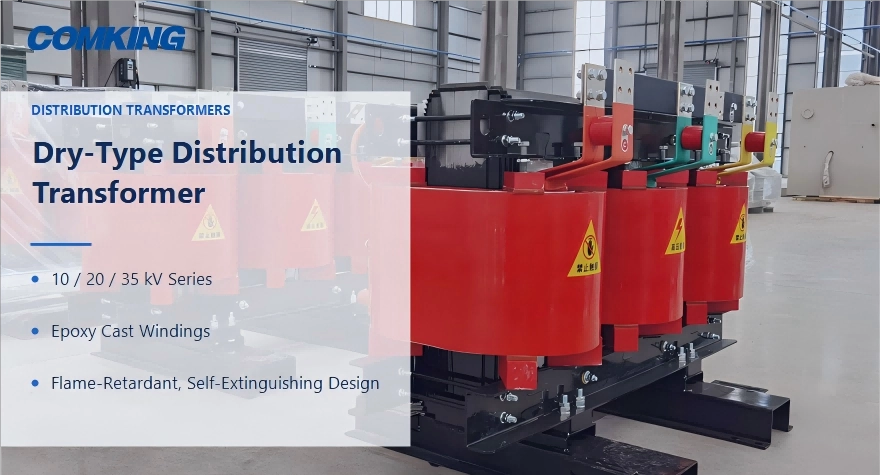
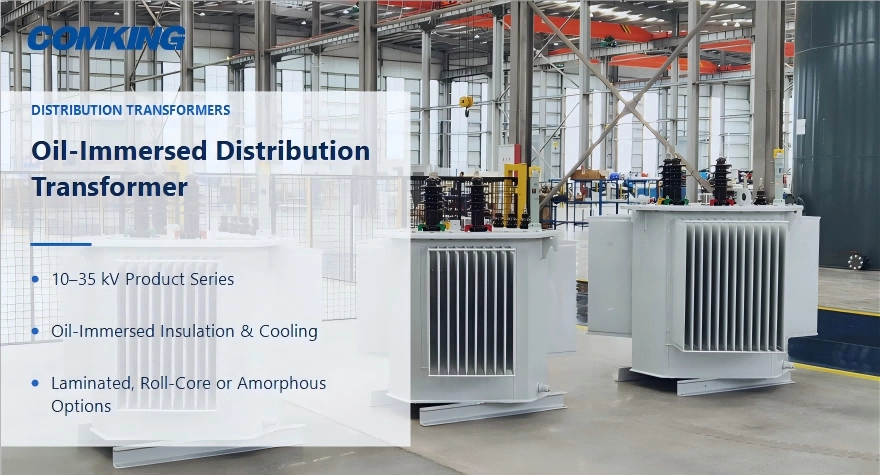
Start with the type of unit you need. It might be an oil-immersed power or distribution transformer,a dry-type transformer, or a specialist design for rectifier, furnace or traction service.
Where will it work? A utility network, industrial plant, wind or solar project, and commercial building can put very different demands on the equipment. Tell suppliers whether the installation is indoors or outdoors. Give them the load profile and space available, along with the site's altitude, humidity, pollution level and ambient temperature.
This information makes the shortlist more useful. A supplier may sell many transformer types and still have limited experience with your voltage class, vector group or operating environment.
Write the specification before requesting prices
Capacity and voltage are only the beginning of an RFQ. Include the primary and secondary voltages, frequency and number of phases, then spell out the requirements that will determine the design and how you will accept it.
For insulation, state the lightning impulse withstand voltage (LI) and the applicable AC withstand voltage. Give the required short-circuit duty and say what evidence you expect for withstand capability. Specify the vector group, such as Dyn11, and the impedance voltage. Set out the tap range and whether the unit needs off-circuit tap changing (OCTC) or on-load tap changing (OLTC). Name the cooling arrangement, for example ONAN, ONAF or AN. You should also give the required losses and efficiency, temperature-rise and noise limits, and any measurement requirements. Put relevant site conditions in the same document, including altitude, ambient temperature, seismic conditions and pollution level.
 Standards need to match the transformer and the destination market. IEC 60076-1 gives general requirements for power transformers. Other parts deal with short-circuit withstand, insulation and dry-type units. IEC TS 60076-20 deals with defining and evaluating energy efficiency. The relevant references here are IEC 60076-5, IEC 60076-3, IEC 60076-11 and IEC TS 60076-20.
If the transformer will be sold in Europe or the United States, check the rules for that product category and the date it will enter the market. EU Ecodesign regulations cover specified power transformers. In the U.S., the amended DOE standards for distribution transformers are scheduled to require compliance from April 23, 2029. The same rule does not apply to every transformer. Refer to EU Regulation 548/2014 and its amendment and the U.S. DOE distribution transformer standards for the applicable scope.
For North American projects, the contract should identify the relevant IEEE C57, ANSI or CSA requirements. Add product approvals or certification marks only when they apply to that unit and are required by the regulator or purchaser.
When every bidder prices the same specification, differences are easier to spot. Ask about a low quote if the materials, loss figures, tests or delivery assumptions differ from the others.
Find out who will build the unit
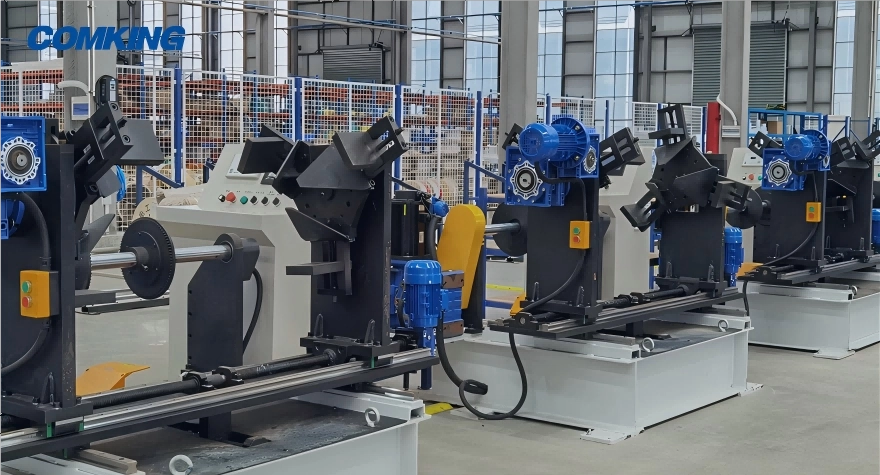
Get the name of the legal manufacturer and the address of the factory assigned to your order. On a factory visit or remote audit, look at core processing, winding equipment, drying and assembly. Ask to see quality records and the high-voltage test facilities as well as the production areas.
For a large or custom unit, find out how design reviews are recorded and how materials and production steps can be traced. Ask which core and winding operations happen at that factory and which go to subcontractors.
The test reports should relate to the transformer being offered. Check the design and ratings in each type-test report, the scope of the test, and whether the independent laboratory is accepted for that scope. A report on another rating or design needs a closer look; it does not automatically cover your unit.
Settle testing and paperwork before the order
Review the proposed factory acceptance test (FAT) plan before signing. At the same time, agree on the site acceptance test (SAT) or commissioning checks. The contract should say which routine tests are included, which type or special tests are required by the standard or project, and who may witness them, whether your team or a third-party inspector.
A type-test report might address temperature rise, dielectric performance or short-circuit withstand. What it proves depends on the design and the standards used. Read the report's scope against the unit on the quotation.
Put the standards, pass criteria, report language and format, witness points and process for test exceptions in the purchase documents. FAT happens at the factory; SAT addresses the installed unit. Agree on both scopes because site work does not simply repeat every factory test.
Make the delivery boundary clear
The quotation should name the agreed Incoterms(International Commercial Terms) rule and edition. Work through who handles export documents, packing, transport, unloading, positioning and installation support. If wooden packaging is used, check the destination's requirements and the paperwork, including ISPM 15 where it applies.
Transport deserves particular attention for a large transformer. Decide in the contract whether you need a shock and impact recorder. If you do, state where it goes, when it starts recording, who retrieves the data and how an impact will be assessed. That record will matter if the unit arrives with suspected damage.
Also settle when the warranty starts, how long it lasts, what spare parts and specialist tools are supplied, who supports commissioning and how technical service will reach the destination market.
Five questions for the final comparison
1. Does each quote meet the full specification, and where are its deviations listed?
2. Which factory will make the unit? Does the type-test evidence cover the offered voltage and capacity range?
3. Which factory tests and reports are in the price, and can you or an independent inspector witness them?
4. Where does the supplier's delivery responsibility end? Who handles transport monitoring, unloading and site work?
5. What spare parts, technical help and after-sales service can the supplier provide in the destination market?
FAQs
Q:How should I compare transformer manufacturers in China?
A: Use your project specification and the rules of the destination market as the starting point. Read the deviations and test evidence for each offer, then compare the factory and site test plans, delivery boundary and service support.
Q: What belongs in the RFQ?
A: Includes capacity, primary and secondary voltages, insulation levels, frequency, vector group, impedance, cooling, taps, loss and efficiency requirements, and site conditions. State whether an independent inspector must witness any tests.
Q: How can I check that a supplier has its own factory?
A: Ask for the legal manufacturer's details and the address of the production site. Visit it or arrange a live video audit. Trace where core processing, winding, drying and assembly happen, and review the production records.
Q: Do I need a FAT?
A: Set its tests, pass criteria and reports in the contract. For custom or higher-risk equipment, decide whether your team or an independent inspector will witness it. Set out site acceptance and commissioning checks separately.
Q: What gets left out of quotations?
A:Look closely at export packing and documents, the delivery boundary, transport monitoring, unloading, installation help, spare parts, special tools, commissioning and warranty response. On a large unit, include the shock recorder and a way to review its data.