












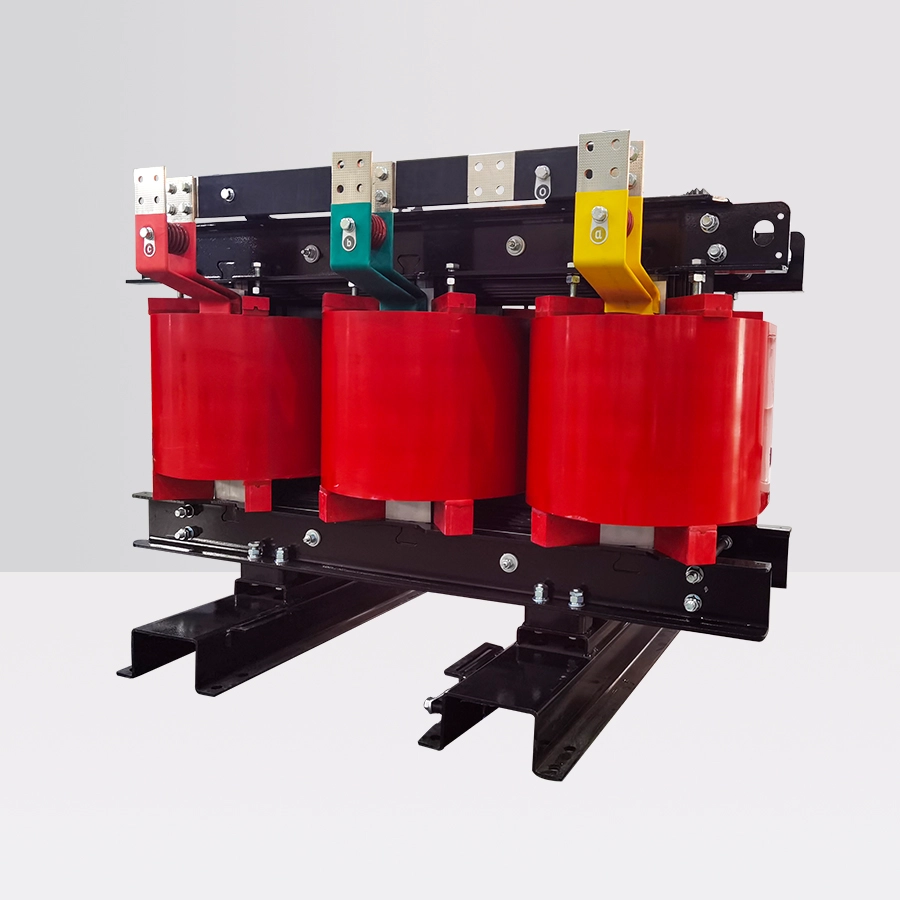
Liquid Cooling, Standard Modules & Wholesale Reshape Storage
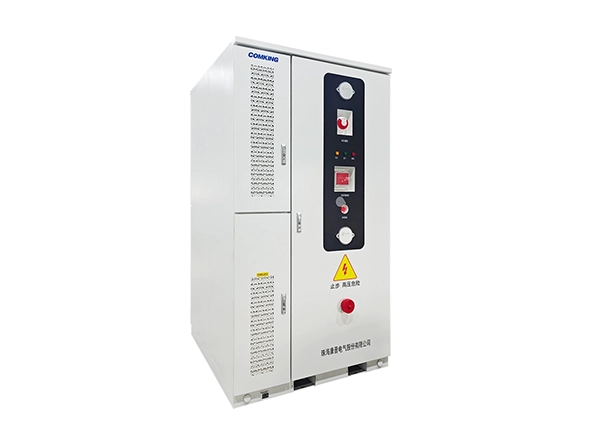
The global energy storage sector is witnessing a quiet but significant shift toward more efficient, scalable, and user-friendly technologies. As residential and commercial demand for reliable power backup and renewable integration grows, manufacturers are focusing on systems that balance performance with practical economics. Among the latest developments, a new generation of Liquid cooling smart energy storage cabinet designs is gaining attention for its ability to maintain optimal battery temperatures while reducing energy consumption compared to traditional air-cooling methods. These cabinets are particularly suited for environments where consistent discharge and long cycle life are critical, as liquid cooling minimizes thermal runaway risks and extends overall system durability.
In parallel, industry players are moving away from proprietary, hard-to-scale configurations. The adoption of Standard Module High Cost Performance architectures allows installers and end-users to mix, match, and expand storage capacity without expensive retrofits or complex engineering. Standardized modules simplify inventory management, lower maintenance costs, and enable faster deployment—especially in emerging markets where supply chains are still maturing. This modular approach also supports second-life applications and easier recycling, addressing sustainability concerns that have long shadowed the battery industry.
Another key trend is the rise of dedicated wholesale channels for distributed storage systems. Traditionally, home storage solutions were sold through premium retail or direct-to-consumer models, often with limited flexibility for small to medium integrators. Now, a growing number of suppliers are opening Home energy storage wholesales programs, offering standardized packs, cabinets, and accessories at predictable terms. This shift is expected to accelerate adoption among solar installers, property developers, and energy cooperatives who seek reliable inventory without navigating complex distribution layers.
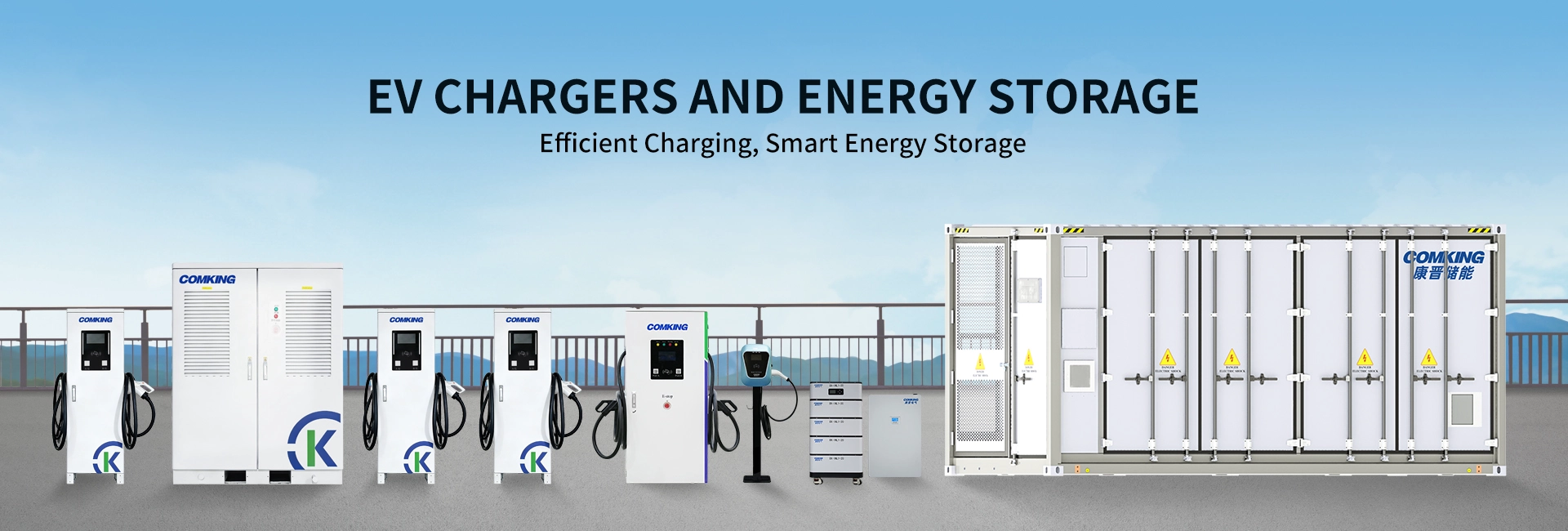
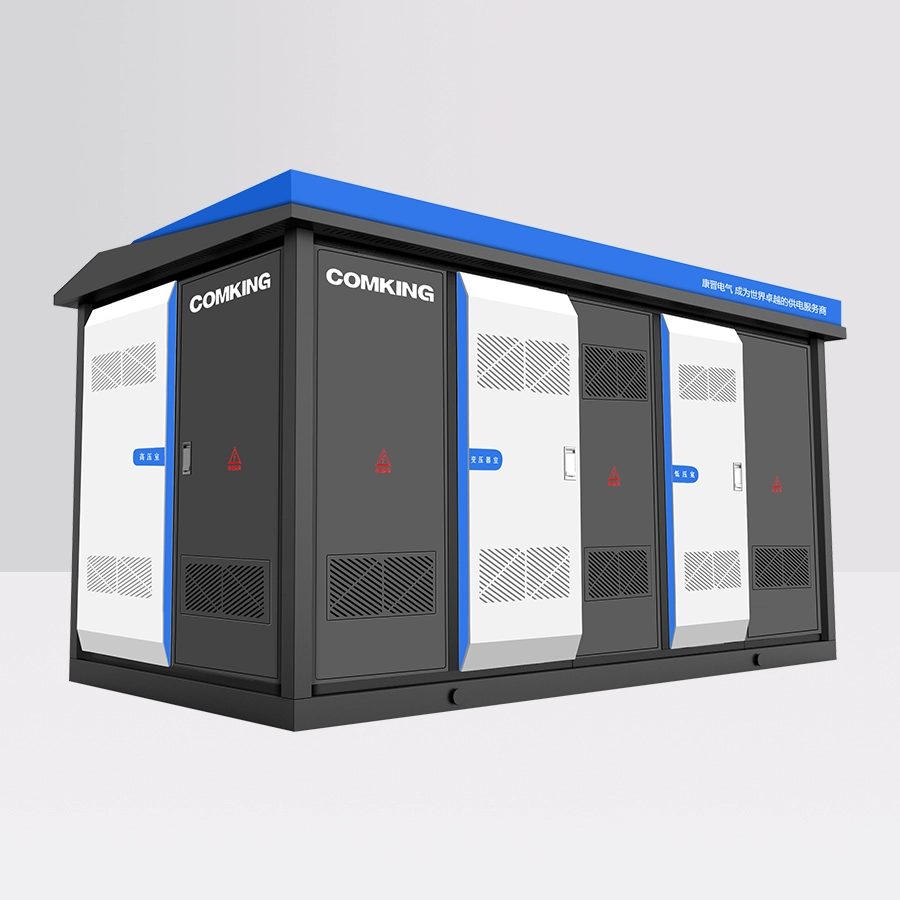
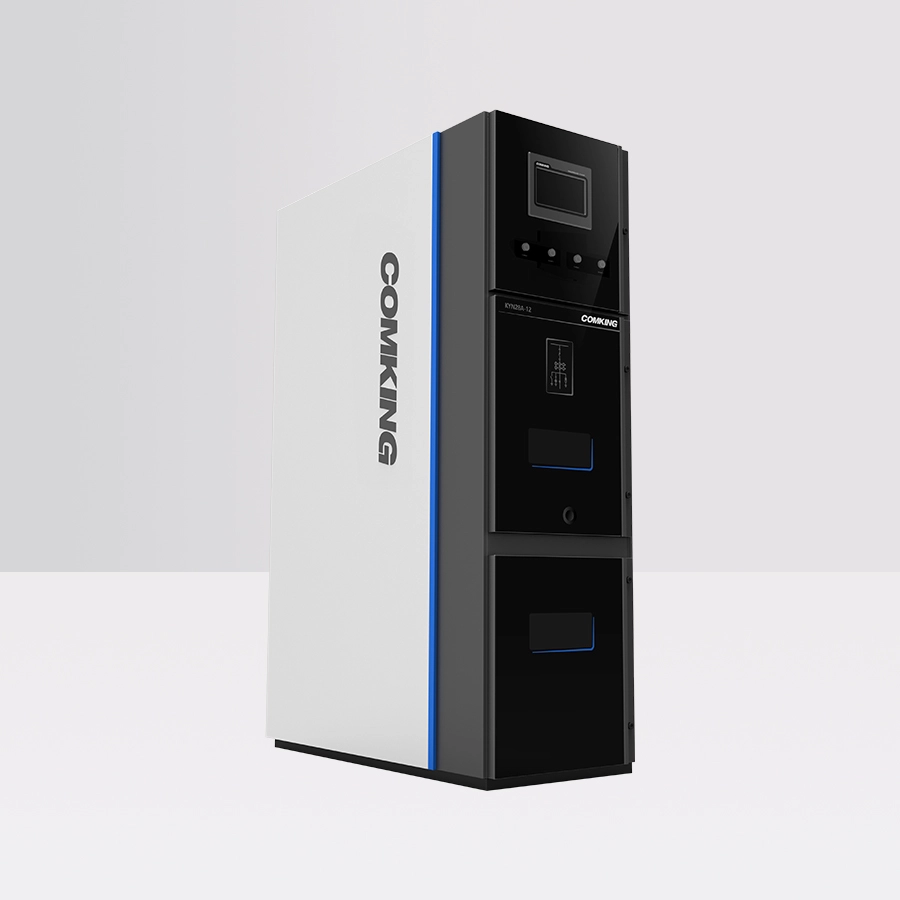
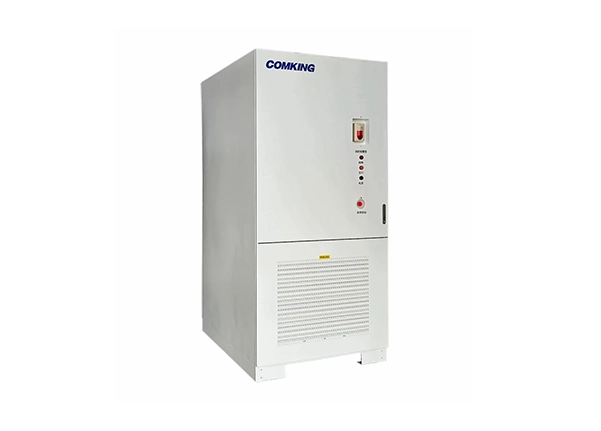
Zhuhai Comking Electric Co., Ltd. has recently introduced a line of integrated storage products that combine these three features. The company’s latest smart cabinet leverages closed-loop liquid cooling to maintain cell temperature within a narrow range, even under high charge/discharge rates. Each cabinet uses standard module interfaces, allowing users to stack capacity from a few kilowatt-hours to hundreds of kilowatt-hours with the same base unit. Meanwhile, the firm has launched a wholesale-friendly program targeting home energy storage buyers, providing volume-based support including technical documentation, commissioning software, and local training materials.
Industry observers note that such integration of liquid cooling, modular standardization, and wholesale accessibility addresses three persistent pain points: overheating, inflexibility, and high upfront barriers. Field data from early deployments suggest that properly designed liquid-cooled cabinets can improve round-trip efficiency by several percentage points compared to passive or fan-cooled alternatives. Standard modules reduce spare part inventory costs by over 30% in some pilot projects, while wholesale pricing (without specifying figures) makes entry-level home systems more competitive against traditional backup generators.
As regulators and grid operators push for higher renewable penetration, residential and light commercial storage is expected to play a buffer role. The ability to source Liquid cooling smart energy storage cabinet units with Standard Module High Cost Performance and Home energy storage wholesales support could become a decisive factor for project developers. While no single solution fits every application, the convergence of these three design philosophies signals a maturation of the storage industry—moving from artisanal, one-off projects to replicable, cost-conscious energy assets.
Zhuhai Comking Electric Co., Ltd. continues to refine its offerings based on field feedback, with next-generation prototypes focusing on increased energy density and simplified installation. The company’s approach reflects a broader industry realization that long-term adoption depends not on flashy innovations but on reliable, adaptable, and economically sound storage systems. For homeowners, small businesses, and energy communities, the availability of such integrated solutions may finally tip the balance toward widespread storage deployment.