












Modern EV Charging Solutions: DC, AC, and Liquid Cooling Technologies
As the adoption of electric vehicles continues to grow worldwide, the demand for reliable and efficient charging infrastructure has never been greater. Industry players are now focusing on diverse technologies to meet different usage scenarios, from daily home charging to high-power public stations. Three key types of chargers have emerged as the backbone of this evolving ecosystem: DC EV charger, AC EV charger, and Liquid Cooling EV charger.
The DC EV charger delivers direct current power directly to a vehicle’s battery, bypassing the onboard converter. This enables significantly faster charging sessions, making it a preferred choice for highway corridors, urban fleet depots, and commercial charging hubs where time efficiency matters most.
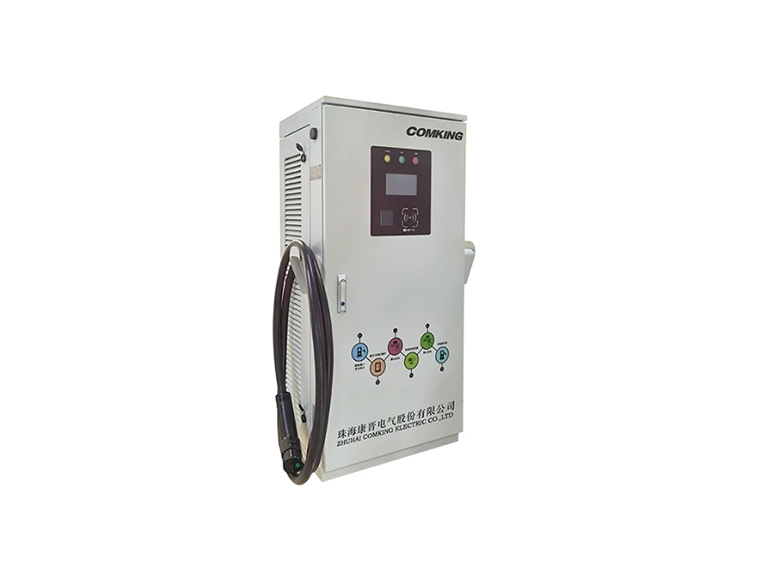
In contrast, the AC EV charger supplies alternating current, which is converted by the vehicle’s internal system. These units are typically more compact and well‑suited for overnight charging at residential complexes, office parking lots, and retail locations where vehicles remain parked for extended periods. Their simplicity and reliability make them a staple in everyday charging.
To address the thermal challenges that arise during high‑power operation, the Liquid Cooling EV charger uses a closed‑loop coolant system to manage heat more effectively than traditional air‑cooled designs. This technology allows for sustained high‑rate charging without overheating components, enabling thinner cables and lighter handling while improving long‑term durability. It is increasingly adopted for ultra‑fast charging stations where performance consistency is required.
These three technologies are not mutually exclusive but complementary. A balanced charging network typically integrates AC chargers for low‑intensity, long‑duration needs, DC chargers for rapid turnaround, and liquid‑cooled units for next‑generation high‑power applications.
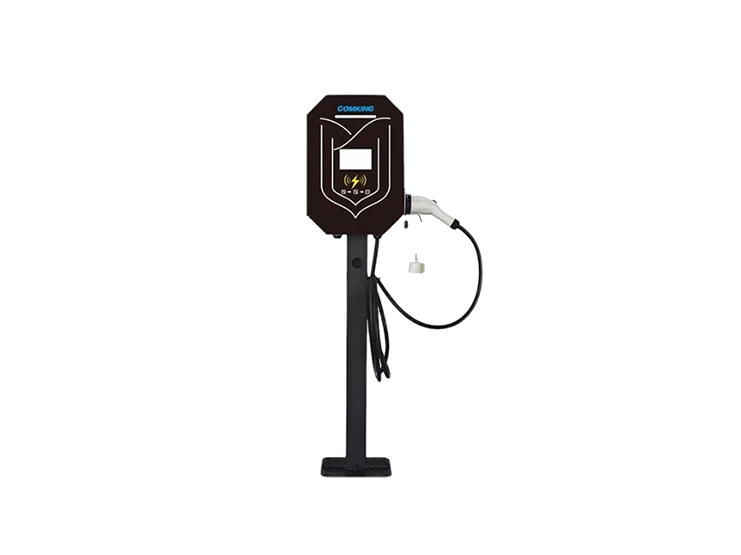
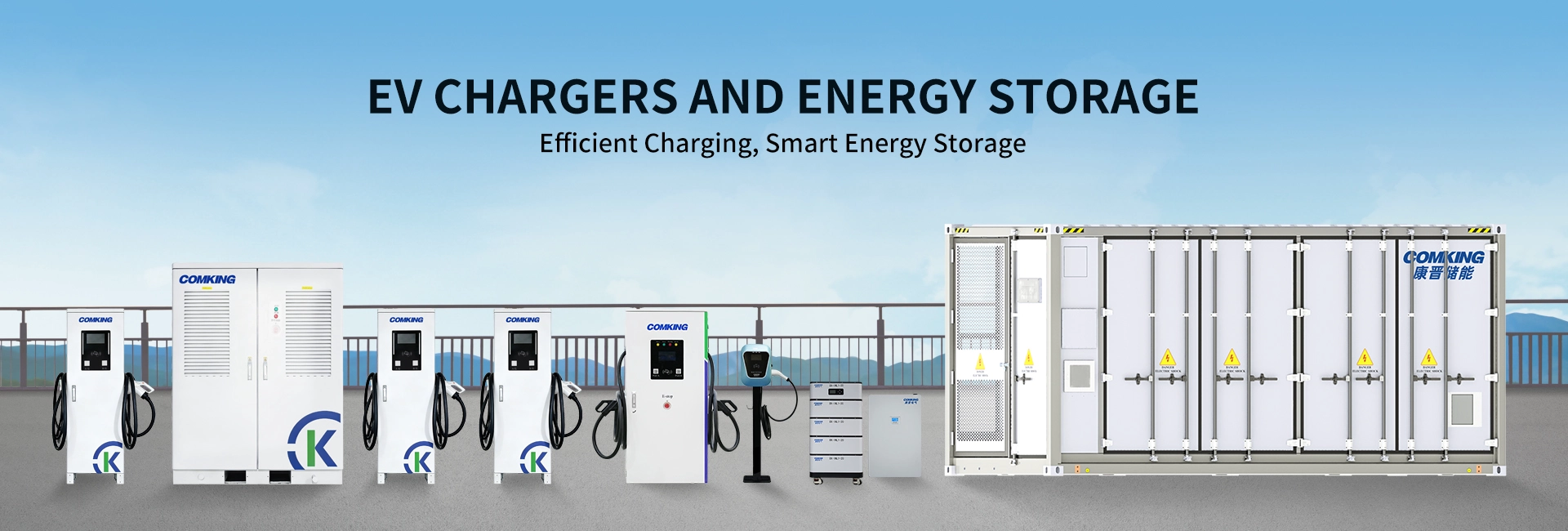
One company contributing to this field is Zhuhai Comking Electric Co., Ltd. , which develops and manufactures a range of EV charging equipment incorporating these technologies. Their portfolio includes AC and DC solutions as well as liquid‑cooled systems designed for various operational environments.
As the EV market matures, the focus remains on expanding access, reducing downtime, and enhancing user experience. The continued evolution of DC, AC, and liquid‑cooled charging platforms will play a central role in shaping a more convenient and resilient electric mobility future.