













Power Grid Upgrades Drive Demand for Advanced Transformer Solutions
As energy networks worldwide modernize to improve efficiency and reliability, the spotlight is turning to next-generation transformer technologies. In this evolving landscape, industry specialists are increasingly focusing on the availability of high-performance components that balance operational excellence with long-term value.
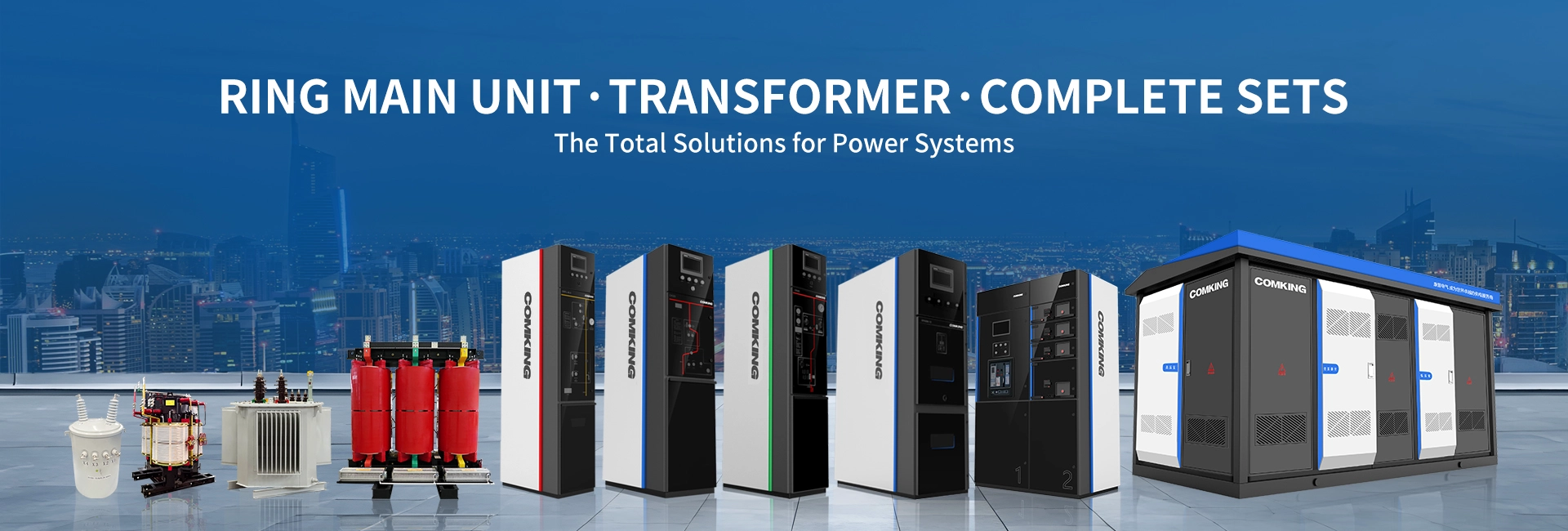
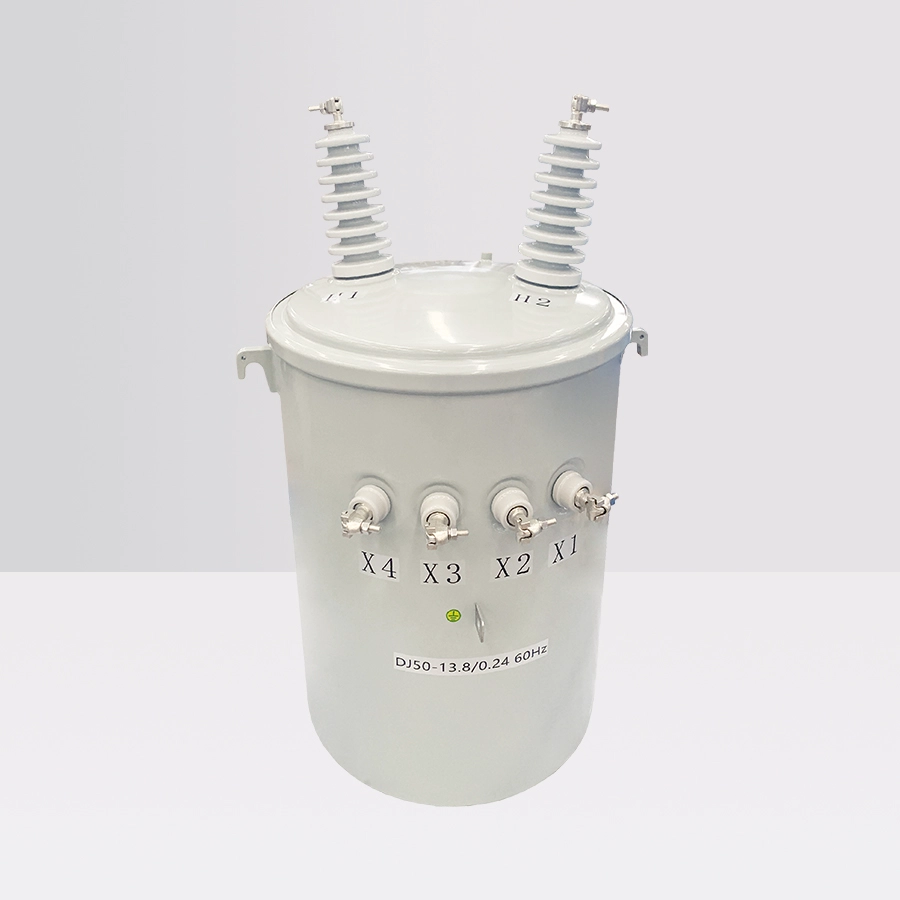
One notable development is the growing market presence of the Single-phase transformer on sale, a critical asset for residential distribution networks, rural electrification projects, and light commercial applications. These units are valued for their straightforward installation and consistent performance in lower-capacity scenarios.
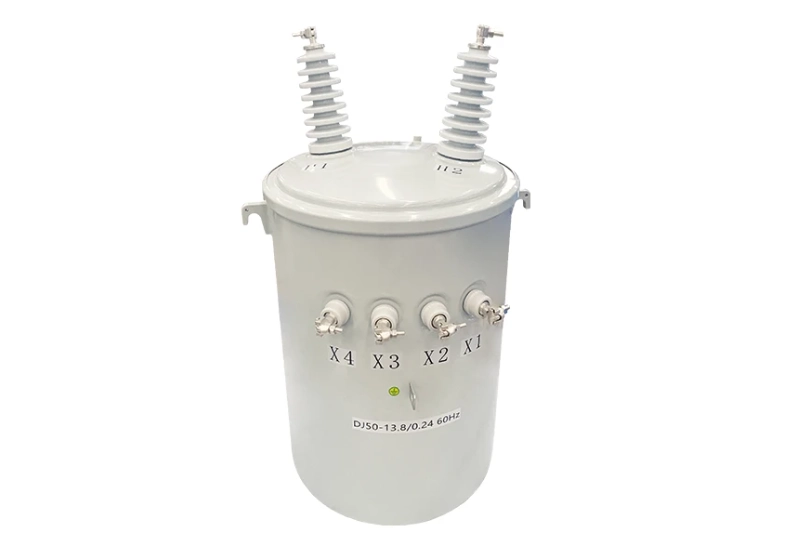
Further enhancing efficiency benchmarks is the adoption of the Three-dimensional Rolled Core design. Unlike traditional stacked cores, this geometry reduces magnetic flux leakage and no-load losses, making transformers significantly quieter and more energy-efficient. Operators looking to lower whole-life costs are showing strong interest in this structural innovation.
To support these advanced builds, a reliable Transformer oil tank supplier remains a backbone of the industry. High-quality tanks ensure proper insulation cooling and dielectric strength, directly impacting transformer longevity and failure prevention under varying load conditions.
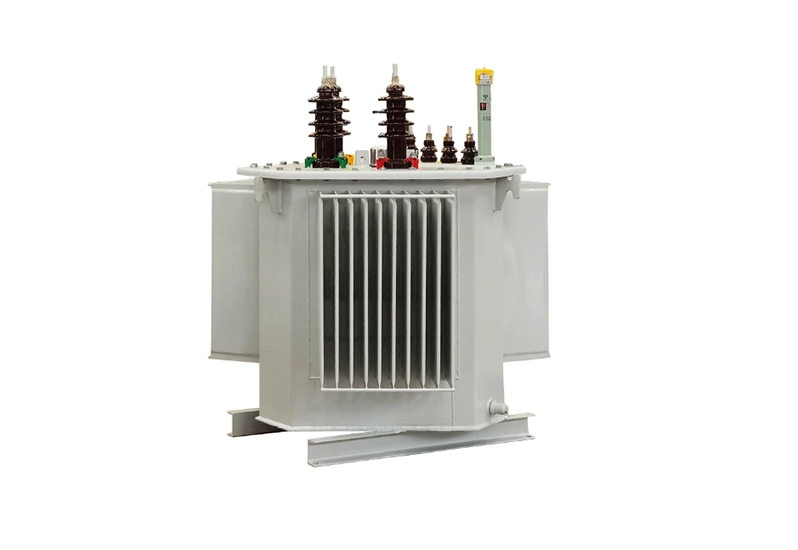
Manufacturers such as Zhuhai Comking Electric Co., Ltd. have been recognized for integrating these three elements—available single-phase units, three-dimensional rolled core designs, and robust oil tank supply chains—into coherent product lines. Their approach reflects a broader shift toward engineering-driven, efficiency-focused power equipment without overpromising on specifications.
As utilities and contractors evaluate replacement cycles and grid expansion needs, the combination of proven oil tank construction, advanced core geometry, and accessible single-phase transformer options presents a practical path toward more resilient power distribution. Industry observers note that adopting such integrated solutions can help align legacy infrastructure with contemporary energy demands.