












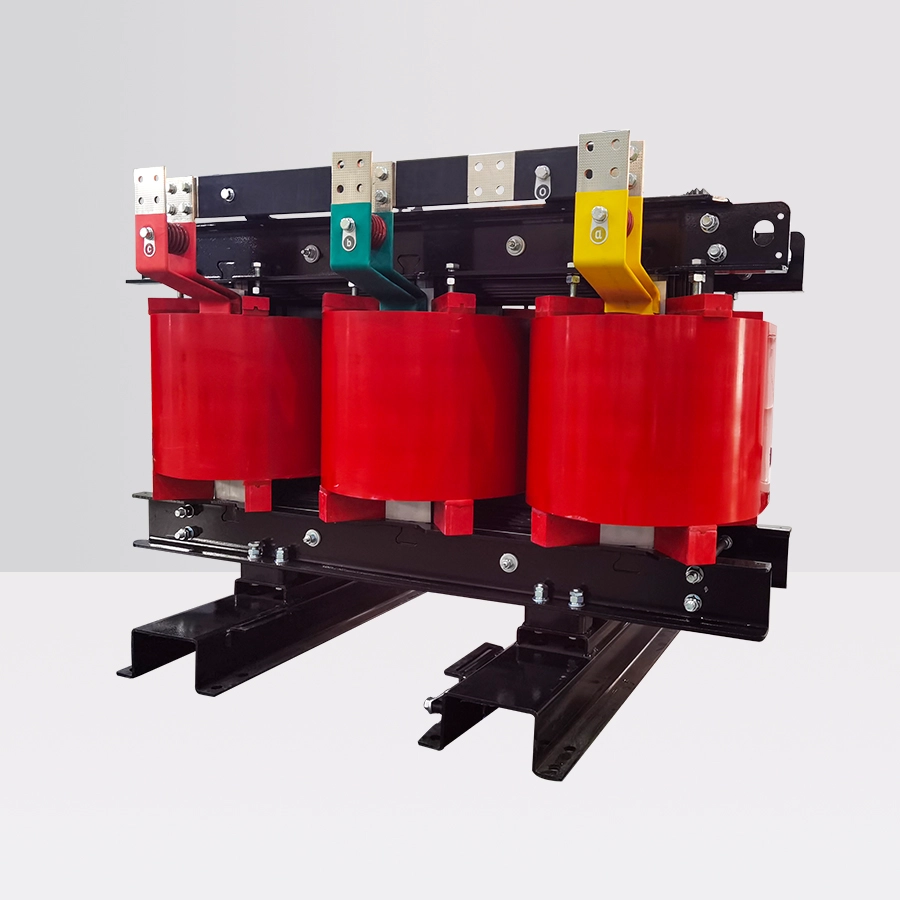
The Evolution of EV Charging: High-Power Solutions from a Specialized AC EV Charger Factory in China
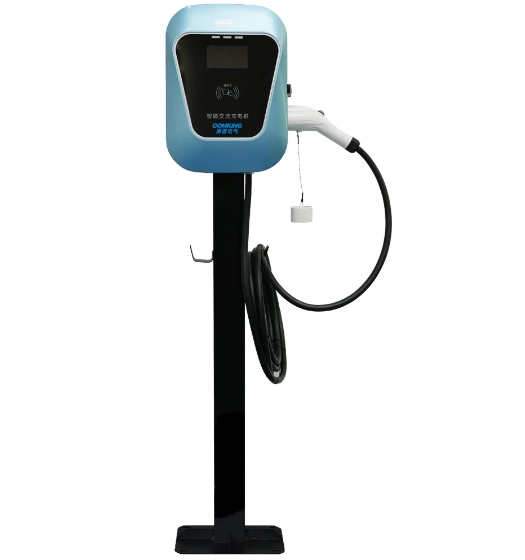
As the global electric vehicle (EV) market accelerates, the demand for efficient and diverse charging infrastructure has never been higher. Behind the scenes, an AC EV charger factory china is playing a pivotal role in supplying both alternating current solutions and cutting-edge direct current technology to international markets. These manufacturing hubs are evolving to meet the needs of fleet operators, commercial property developers, and public charging networks.
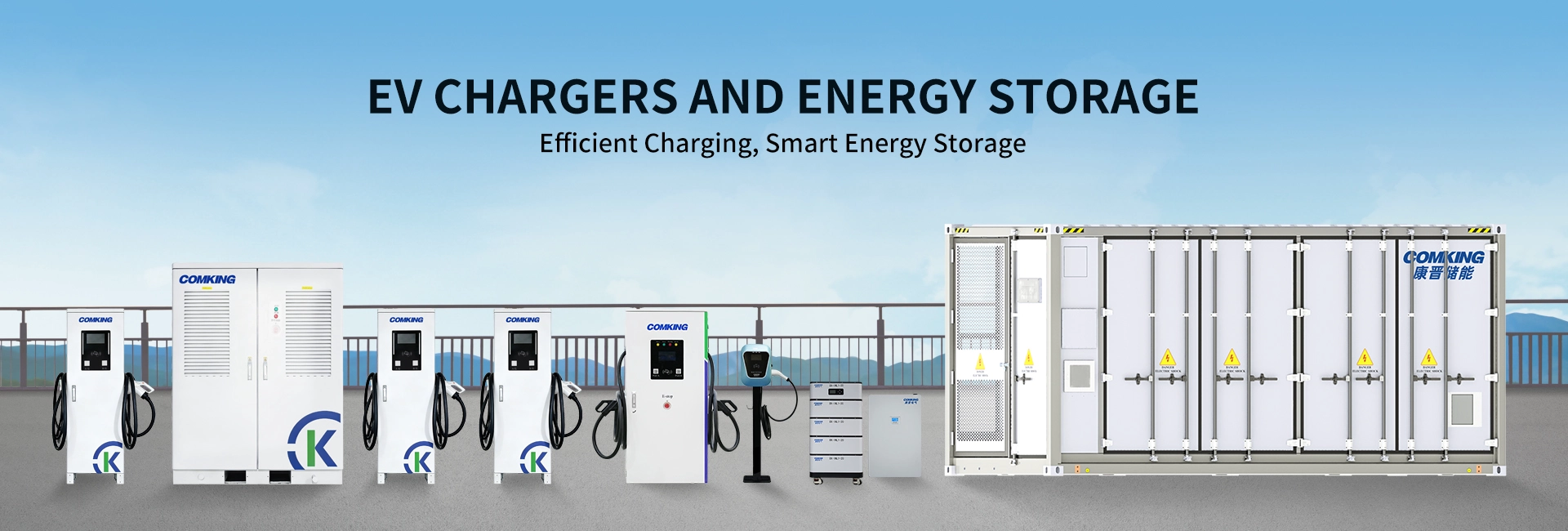
For commercial fleets and highway service stations looking to minimize downtime, the demand for speed is paramount. One of the most practical solutions currently deployed is the 120kw EV charger dual guns configuration. This setup allows for the simultaneous charging of two vehicles, effectively optimizing parking space usage and energy distribution. By splitting the power output, it ensures that two EVs can receive a substantial charge without the need for two separate, costly units. This "one cabinet, two dispensers" approach is becoming a standard feature in urban fast-charging hubs.
However, as battery capacities grow and drivers expect "refueling" speeds comparable to gasoline, the industry is pushing the envelope on thermal management. The introduction of the 360KW Liquid Cooling EV charger marks a significant leap forward. By utilizing liquid-cooled cables, manufacturers have managed to keep cable diameters slim and manageable despite the ultra-high power flowing through them. This technology not only dissipates heat more efficiently than traditional air-cooled systems but also ensures sustained high-power output without throttling, which is critical for heavy-duty vehicles and next-generation passenger EVs.
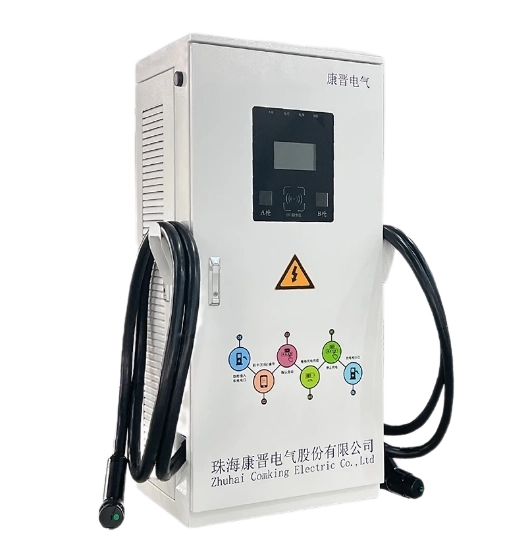
Representing the forefront of this manufacturing capability is Zhuhai Comking Electric Co., Ltd. . By integrating the reliability of AC production with the high-voltage demands of DC fast charging, such manufacturers are bridging the gap between standard overnight charging and extreme-fast charging requirements. As the industry moves toward standardized protocols and higher voltage platforms, the innovations coming out of these factories—ranging from modular 120kW dual-gun stations to advanced 360kW liquid-cooled systems—are laying the groundwork for a truly electrified transportation future.