












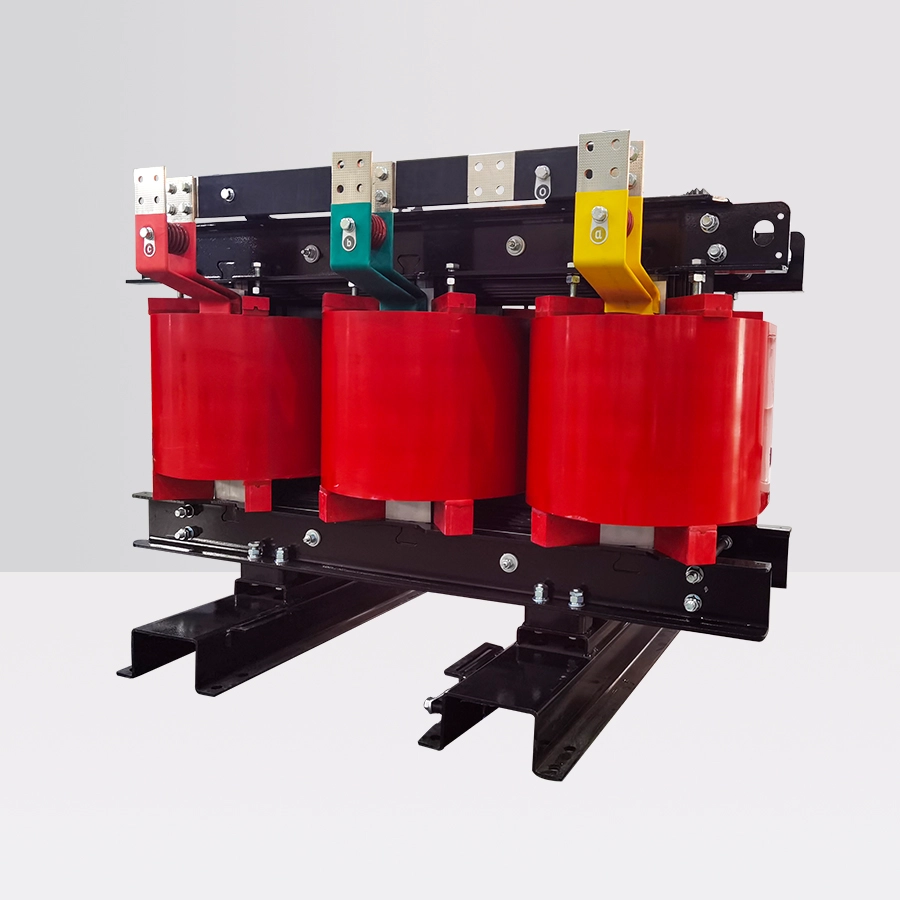
Advanced Energy Storage Solutions Embrace Modular Cooling and Integrated Zero-Carbon Design
As renewable energy penetration rises and grid stability becomes a critical concern, the energy storage sector is rapidly evolving beyond conventional battery enclosures. System integrators and commercial operators are now prioritizing thermal management efficiency, scalability, and carbon-footprint reduction when selecting storage assets. Recent product developments highlight three distinct engineering approaches that address these demands—each tailored to different operational environments and performance targets.
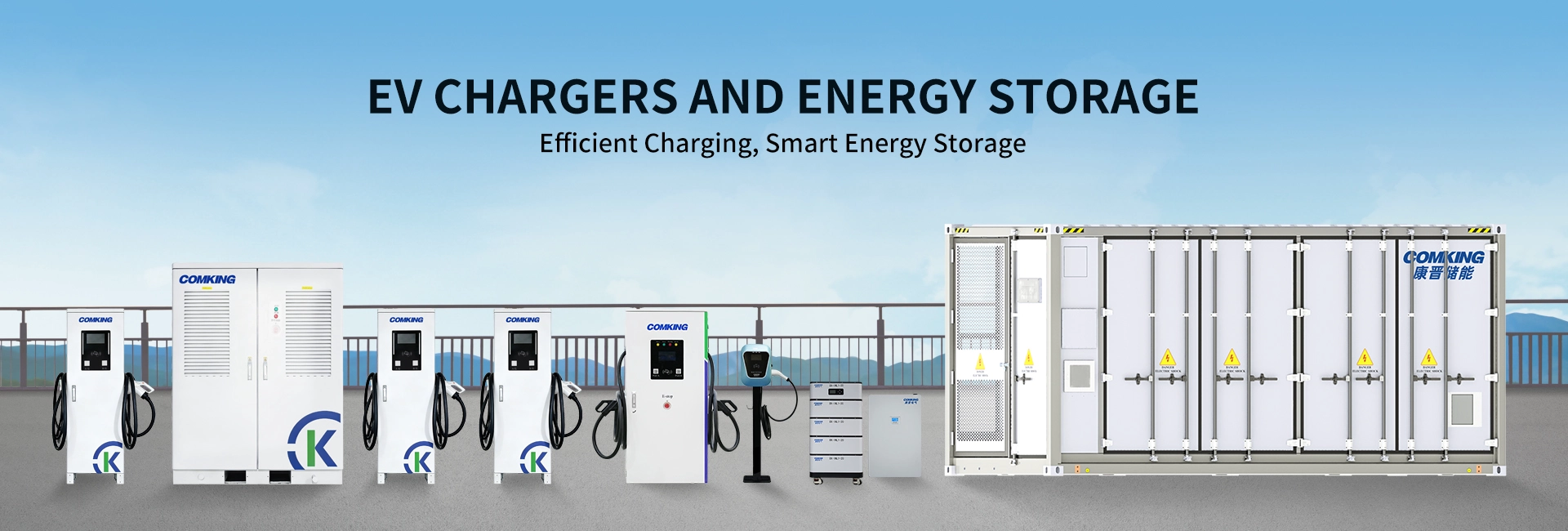
For installations where ambient temperatures remain moderate and maintenance access is straightforward, the Industrial Air Cooling Modular Design offers a practical balance of simplicity and expandability. This architecture uses forced-air convection to dissipate heat from battery cells and power electronics, while the modular cabinet structure allows capacity upgrades by adding standardized battery modules without redesigning the entire system. Air cooling avoids the complexity of liquid loops, making it suitable for indoor or sheltered outdoor sites where dust and humidity are controlled. The modular aspect also simplifies spare-part inventory and on-site servicing, as individual fan units or filter assemblies can be replaced independently.
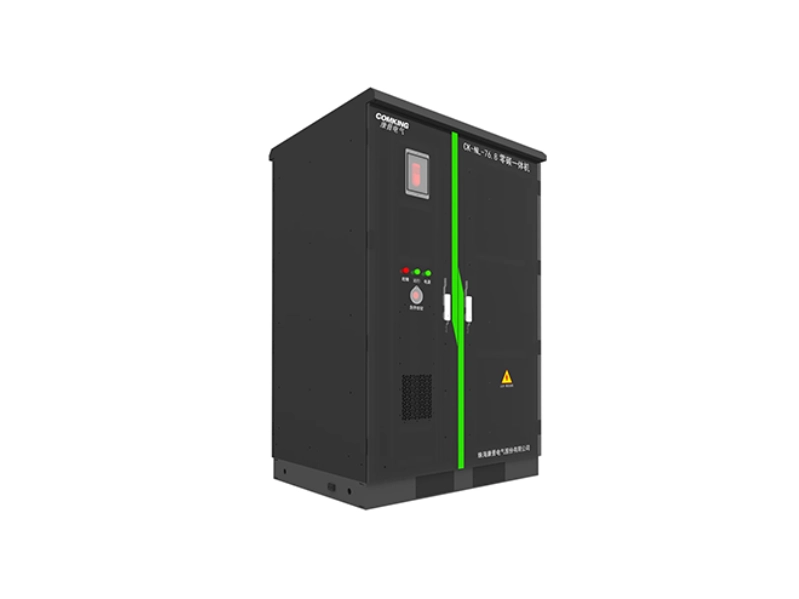
In contrast, high-density or high-discharge-rate applications—such as frequency regulation and peak shaving—generate significant thermal loads that air cooling may struggle to manage efficiently. For these scenarios, the Liquid Cooling Smart Energy Storage Cabinet delivers superior heat rejection through circulated coolant, which maintains more uniform cell temperatures and extends cycle life. Smart control algorithms adjust flow rates and compressor activity based on real-time battery temperature data, optimizing energy consumption for cooling itself. This cabinet design typically achieves higher energy density per footprint, as liquid cooling enables closer cell packing without hot-spot risks. Operators of utility-scale storage farms or fast-charging buffer systems often favor liquid-cooled units for their consistent performance under sustained heavy loads.
Meanwhile, the broader push toward decarbonization has spurred interest in integrated systems that combine storage with on-site renewable generation and intelligent energy management. The Zero Carbon Integrated Machine represents a holistic approach, embedding photovoltaic inverters, battery racks, and grid-interactive controls within a single enclosure. These units are pre‑commissioned and factory-tested, reducing installation time and commissioning risks. More importantly, they are designed to coordinate with solar panels or wind turbines, storing surplus clean energy and discharging it during peak tariff periods or grid outages. Some configurations include bi-directional charging capabilities for EV fleets, further aligning with net‑zero operational goals.
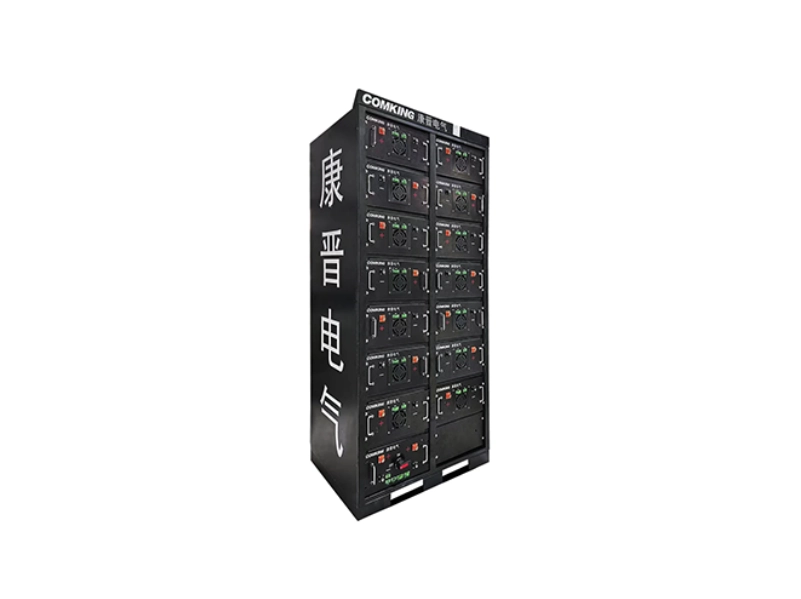
Zhuhai Comking Electric Co., Ltd. offers product lines across all three categories, with engineering support for customization of voltage tiers, communication protocols (including Modbus and CAN), and enclosure ratings up to IP54. The company emphasizes rigorous safety testing—including overcurrent, over‑temperature, and insulation monitoring—to meet international standards such as IEC 62619 and UL 9540. For project developers evaluating trade‑offs between first cost, lifetime performance, and environmental impact, these three technological pathways provide clear options: air‑cooled modularity for flexibility, liquid‑cooled smart cabinets for high‑density reliability, and zero‑carbon integrated machines for turnkey renewable synergy. As the industry continues to mature, such diversified portfolios are expected to support a wider range of commercial, industrial, and utility‑scale storage deployments, contributing to more resilient and low‑carbon power systems worldwide.