












Diverse EV Charging Solutions Address Varied Operational Needs
As electric mobility expands across commercial fleets, residential communities, and public parking facilities, charging equipment providers are tailoring their portfolios to match different usage patterns and power requirements. Rather than a one-size-fits-all approach, modern charging infrastructure increasingly offers a spectrum of options, from low‑power overnight charging to medium‑speed depot units and dynamically adaptable systems.
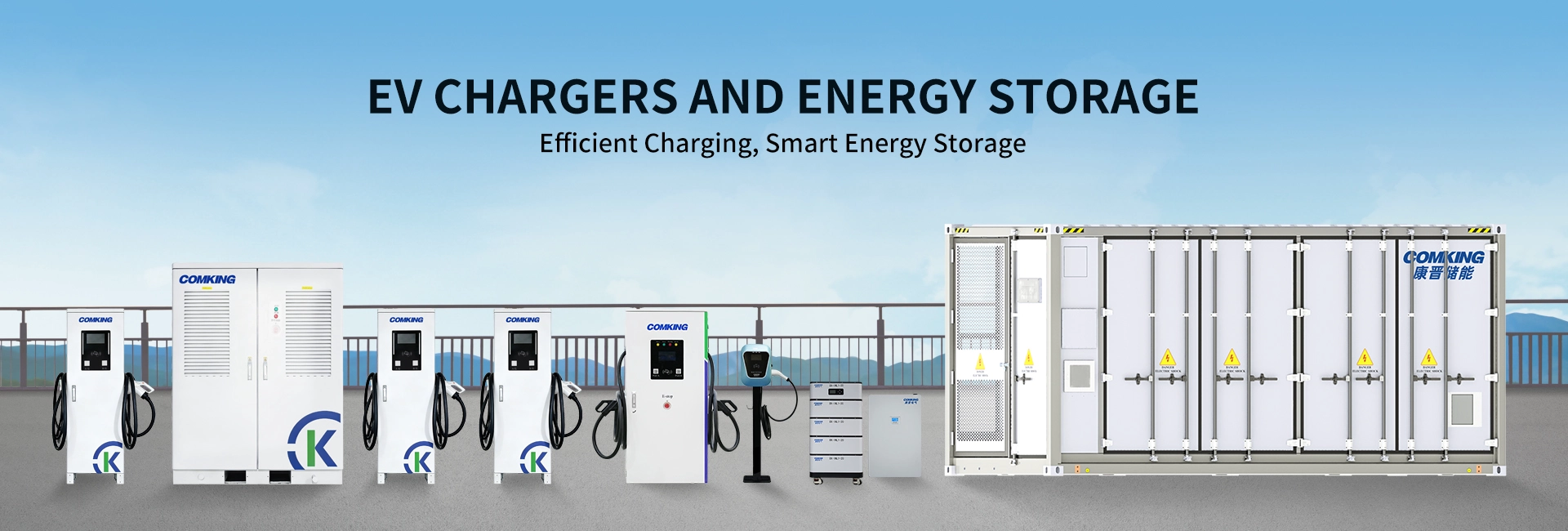
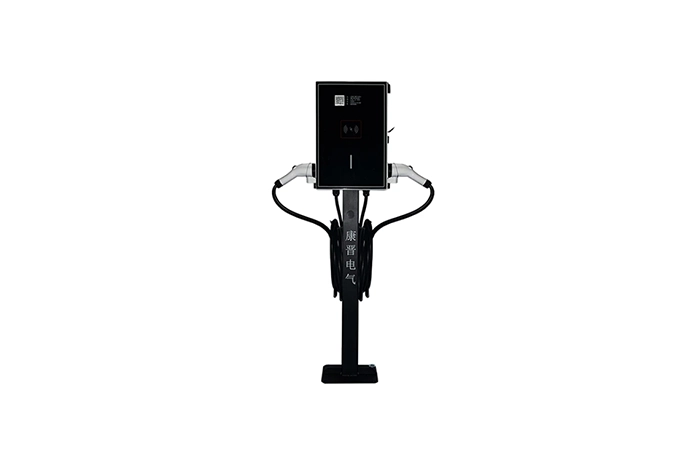
For sites where vehicles remain parked for extended periods—such as office campuses, hotel garages, or multi‑family housing—the AC EV Charger remains a practical and cost‑effective choice. These units typically deliver between 7kW and 22kW per outlet, leveraging the vehicle’s onboard converter to manage power flow. Their installation costs are moderate, and they place less strain on grid connections, making them ideal for destinations where drivers can charge for several hours without needing ultra‑fast turnaround. Modern AC chargers also support RFID authentication, OCPP communication, and load management, allowing site owners to integrate them into broader energy management systems.
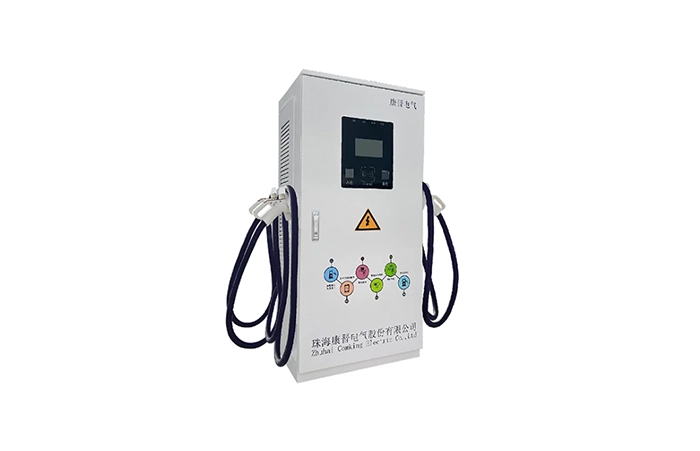
Stepping up in power, the 60kW/90kW EV Charger fills a critical middle ground between slow AC and very high‑power DC units. This power class is well suited for urban public charging stations, small‑to‑medium fleet depots, and retail locations where drivers expect a meaningful range boost during a 30‑to‑60‑minute shopping or meal stop. With output in the 60‑90kW range, these chargers can replenish a typical passenger EV from 20% to 80% in under an hour, while their lower peak demand compared to 150kW+ units helps reduce utility demand charges. Many such models are offered as dual‑gun configurations to serve two vehicles sequentially or with power‑sharing logic.
For environments with highly variable vehicle types and charging sessions—such as mixed fleets of vans, buses, and passenger cars—the Flexible DC EV Charger provides a versatile answer. These systems are designed to dynamically adjust output voltage and current across a wide range (often from 100V to 1000V), accommodating both 400V and 800V battery architectures without manual intervention. Flexible DC units can also split total available power among multiple dispensers, prioritising vehicles with lower state‑of‑charge or those requiring faster completion. This adaptability makes them a favoured choice for fleet operators who anticipate evolving vehicle models over the coming years.
Zhuhai Comking Electric Co., Ltd. offers a comprehensive line covering all three categories—AC EV chargers for overnight and workplace use, 60kW/90kW units for convenient mid‑speed public charging, and flexible DC platforms that scale from 30kW up to higher ratings with modular expansion. All products are built with international safety certifications, IP54 or higher enclosures, and remote monitoring capabilities to ensure reliable operation across diverse climates and usage profiles. As the industry continues to standardise connectivity and smart charging features, these varied charger types are expected to coexist, each serving its optimal role in the broader charging ecosystem.