













Advancing Grid Resilience: Innovative Solutions for Distribution Automation Communication and Remote Feeder Terminal Maintenance
As power distribution networks grow more complex and demand for reliability intensifies, utilities worldwide are seeking robust technologies to enhance automation while withstanding harsh operational environments. In this context, Distribution automation communication unit solutions have become a critical focus for modernizing grid infrastructure. These units enable real‑time data exchange between field devices and control centers, but their performance is often challenged by electromagnetic interference from switching operations, lightning surges, and heavy industrial equipment.
To address this issue, engineers at Zhuhai Comking Electric Co., Ltd. have developed advanced capabilities that concentrate on Distribution automation communication unit Anti-interference . By integrating hardened circuitry, intelligent filtering algorithms, and optimized shielding techniques, their communication units maintain stable signal integrity even in high‑noise substations and overhead line environments. This anti‑interference design ensures that command and status messages remain accurate, reducing the risk of false trips or data loss – a key requirement for distribution automation schemes that must operate continuously under real‑world conditions.
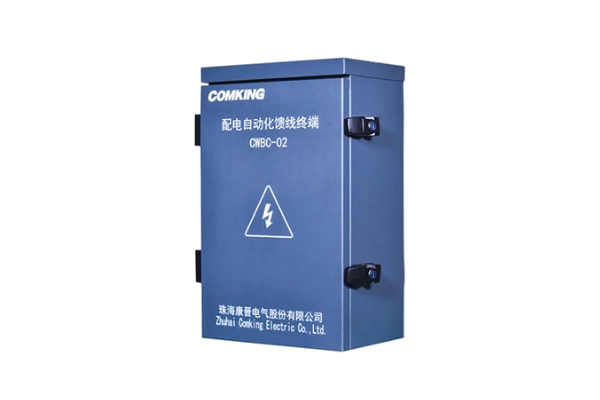
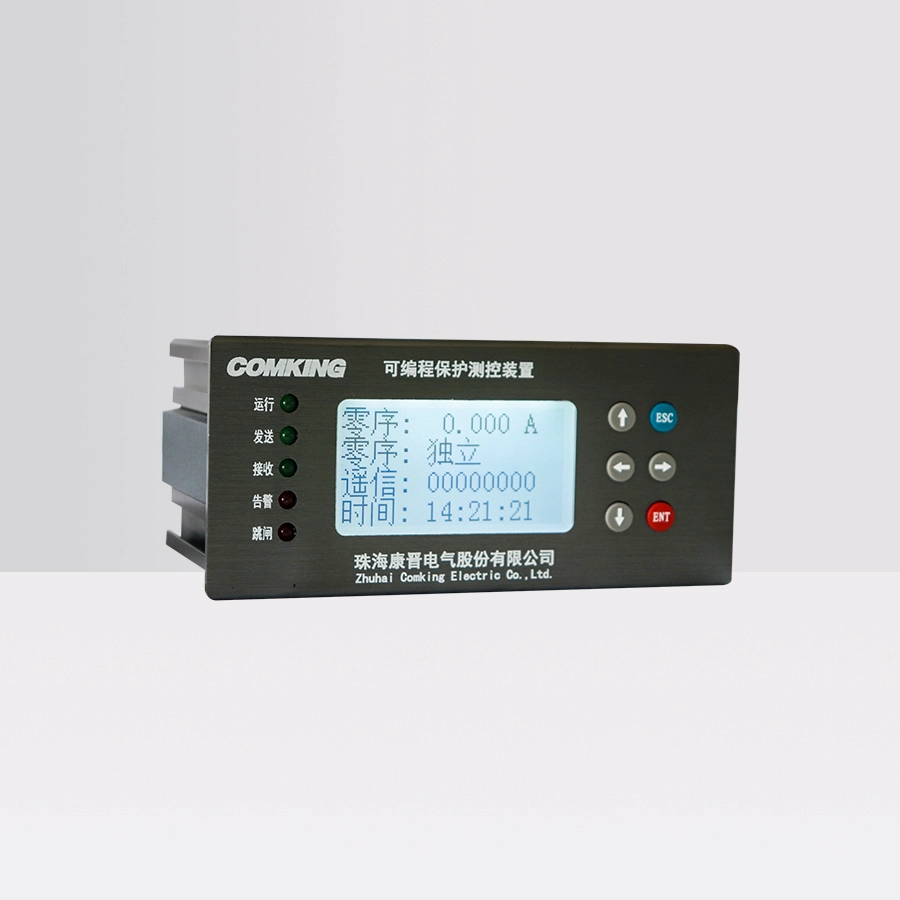
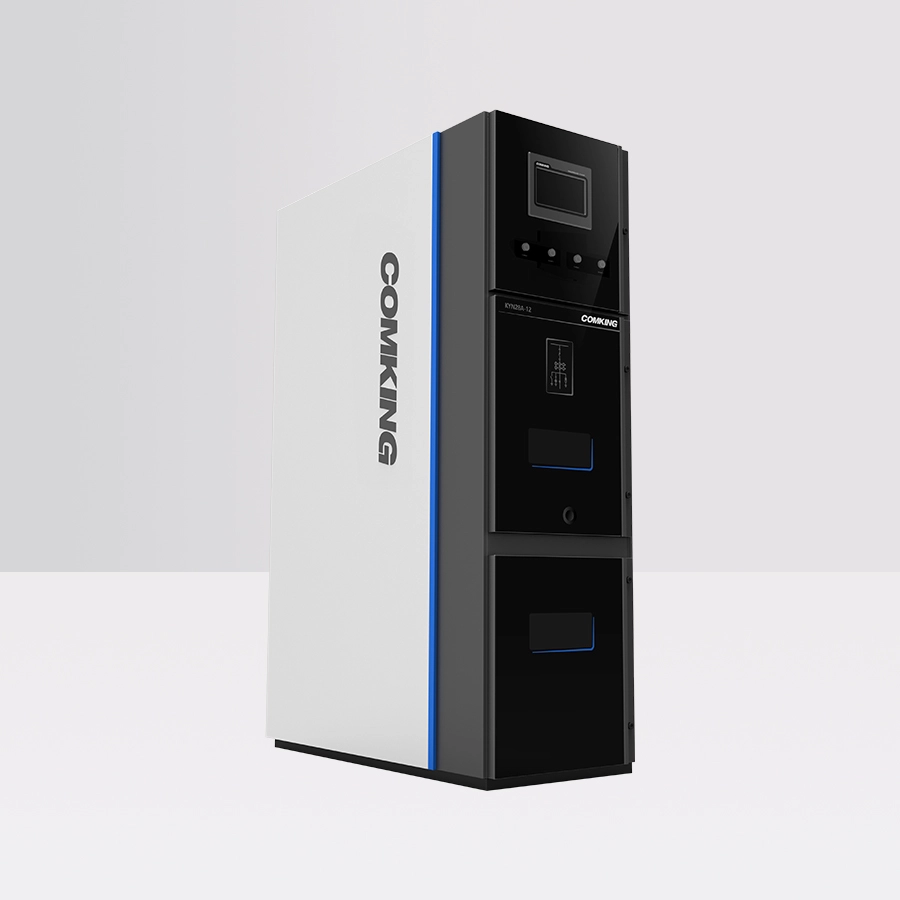
Beyond communication reliability, remote accessibility of field devices is equally important for operational efficiency. Utilities often deploy feeder terminals across vast service areas, making physical visits for routine checks or firmware updates costly and time‑consuming. To solve this, Distribution automation Feeder terminal Remote maintenance functionality has been embedded into the product portfolio. This feature allows authorized personnel to securely diagnose parameters, adjust settings, and perform software upgrades from a central control room, cutting outage windows and improving system availability.
“Our approach combines practical anti‑interference engineering with secure remote maintenance protocols,” said a technical spokesperson from Zhuhai Comking Electric Co., Ltd.. “The result is a feeder terminal ecosystem that not only communicates reliably through noise‑prone environments but also minimizes truck rolls through intelligent remote access.”
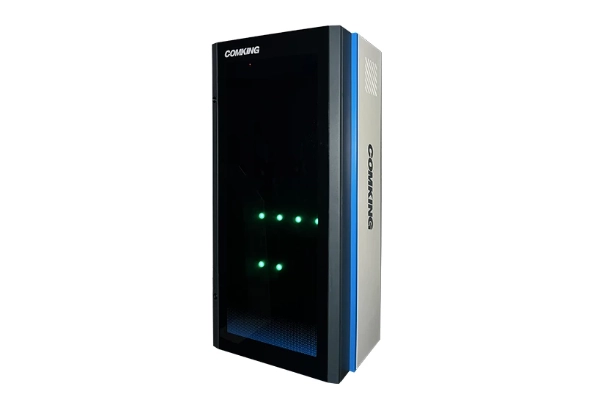
Field trials conducted by independent grid operators have shown that the anti‑interference communication units maintain packet error rates below industry thresholds even when installed adjacent to switching capacitors. Meanwhile, the remote maintenance interface supports encrypted sessions and role‑based authentication, meeting common cybersecurity guidelines for distribution automation.
As distribution grids evolve to host distributed generation and electric vehicle charging, the need for resilient communication and remote upkeep will only grow. Zhuhai Comking Electric Co., Ltd. continues to refine these integrated solutions, offering a practical path toward higher automation levels without sacrificing operational security or on‑site reliability.