












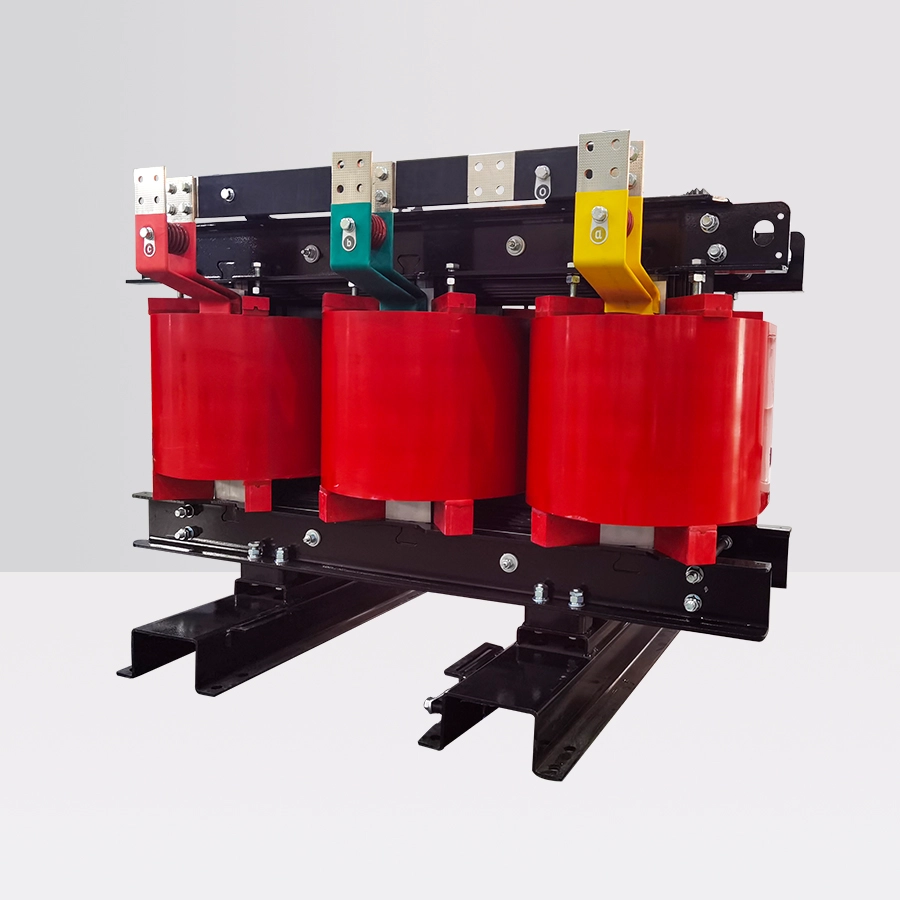
Flexible Energy Storage Solutions Expand with Smart Cabinets, Liquid Cooling, and Residential Options
As the global energy transition accelerates, commercial and residential users alike are seeking reliable, scalable, and safe energy storage systems to complement solar PV, manage peak demand, and provide backup power. Suppliers are responding with a diverse range of products tailored to different capacity tiers and installation environments – from compact indoor units for homes to high‑density cabinets for industrial facilities. Among the emerging trends are intelligent cabinet designs, advanced thermal management, and user‑friendly residential packages.
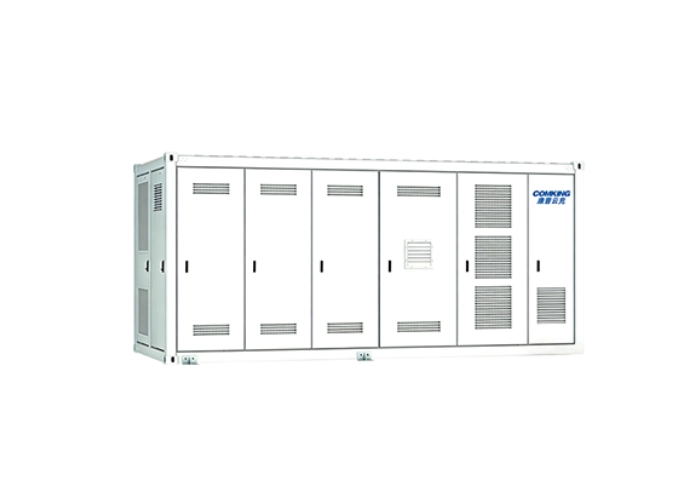
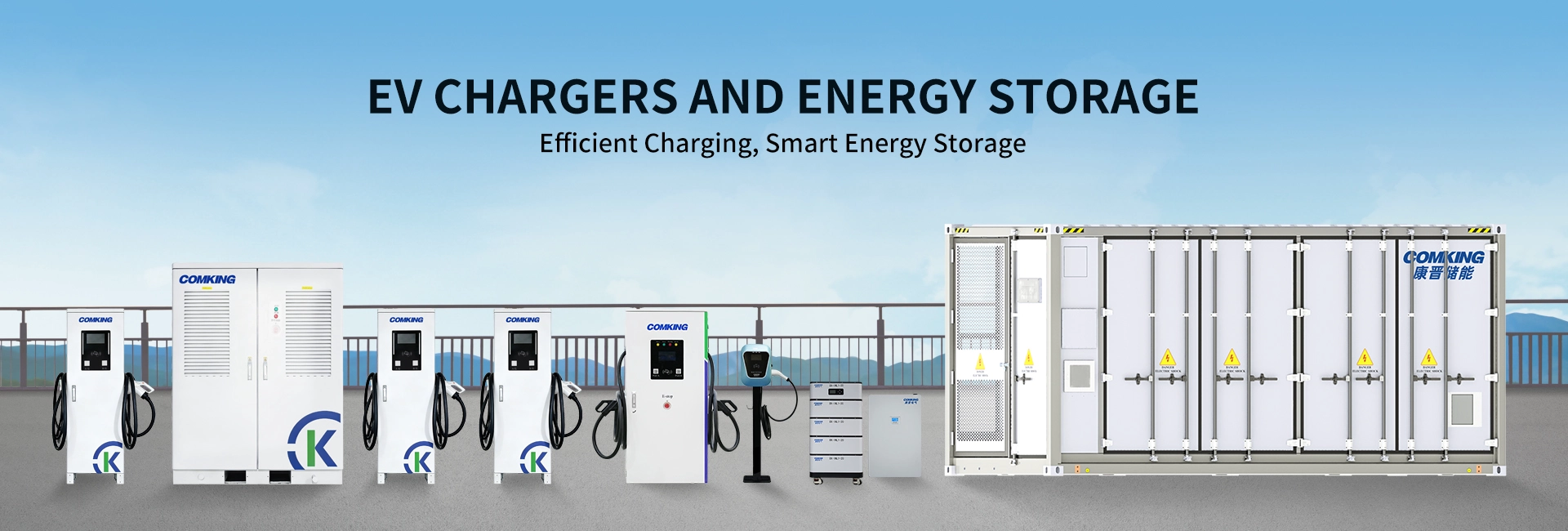
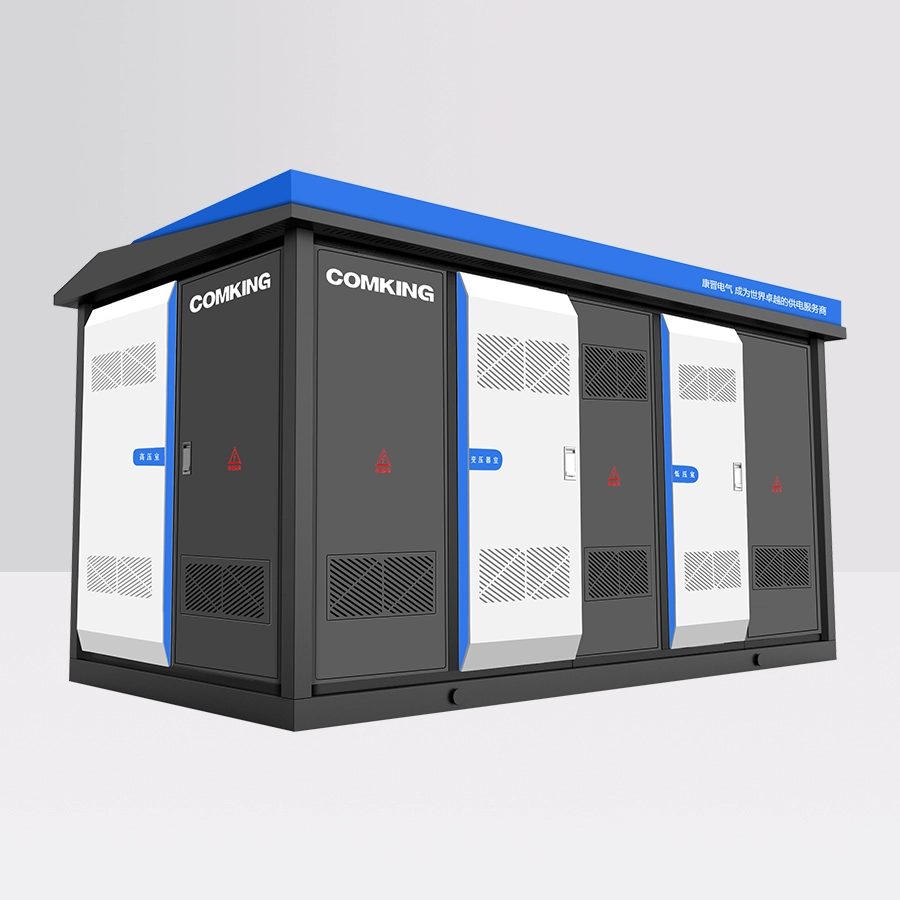
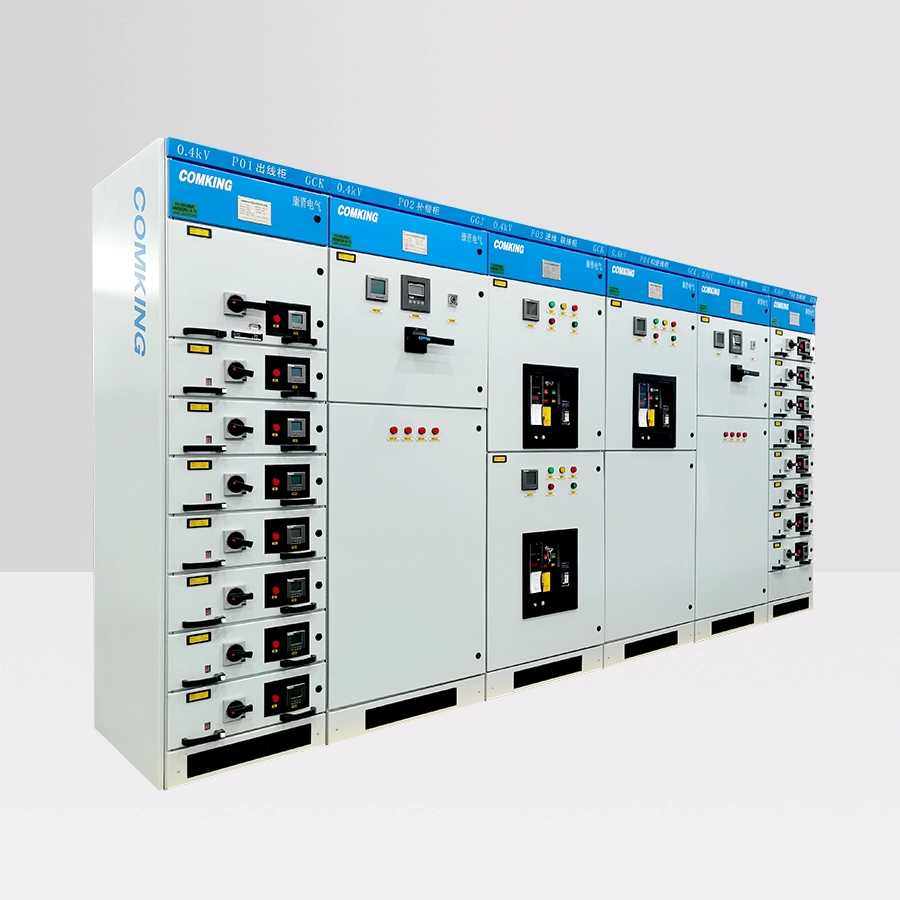
For commercial and utility‑scale applications, the Smart energy storage cabinet supplier china offers integrated battery enclosures equipped with built‑in battery management systems (BMS), energy management controllers, and fire suppression modules. These cabinets typically feature IP55 or higher ingress protection, making them suitable for outdoor installation in varying climates. Smart functionalities include remote monitoring of state of charge, state of health, and thermal conditions, with alarm notifications sent to operators via cloud platforms. The cabinets are designed to support multiple duty cycles – from daily peak shaving to emergency backup – and can be paralleled for capacity expansion, providing a turnkey solution for microgrids, EV charging hubs, and industrial parks.
Thermal management remains a critical factor in battery performance and longevity. The Modular Liquid Cooling Strong Scalability approach has gained traction as an efficient means to maintain uniform cell temperatures even under high charge/discharge rates. Liquid‑cooled systems dissipate heat more effectively than air‑cooled alternatives, reducing derating and extending cycle life. The modular design allows operators to start with a baseline capacity – for instance, around 100kWh – and later add additional battery modules or cooling units as load grows, without overhauling the entire system. This scalability is particularly valuable for projects where future demand is uncertain but expected to increase, such as renewable‑plus‑storage sites or fast‑charging depots. The liquid cooling loop is typically integrated within the cabinet or as a separate chiller unit, with energy efficiency ratios (EER) optimised for ambient temperature ranges common in most service regions.
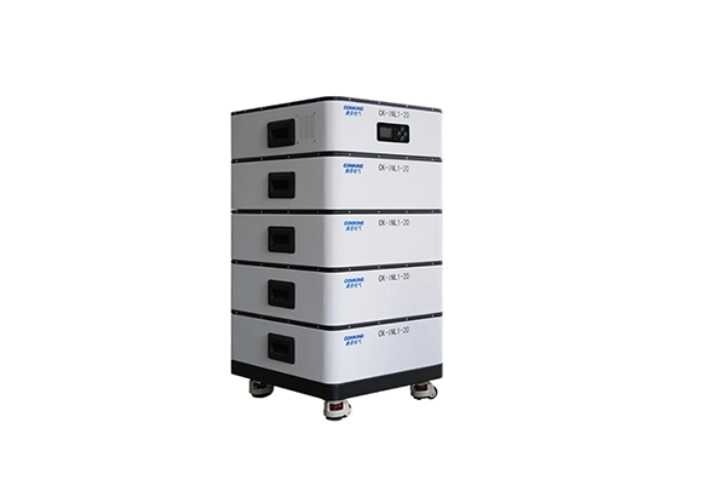
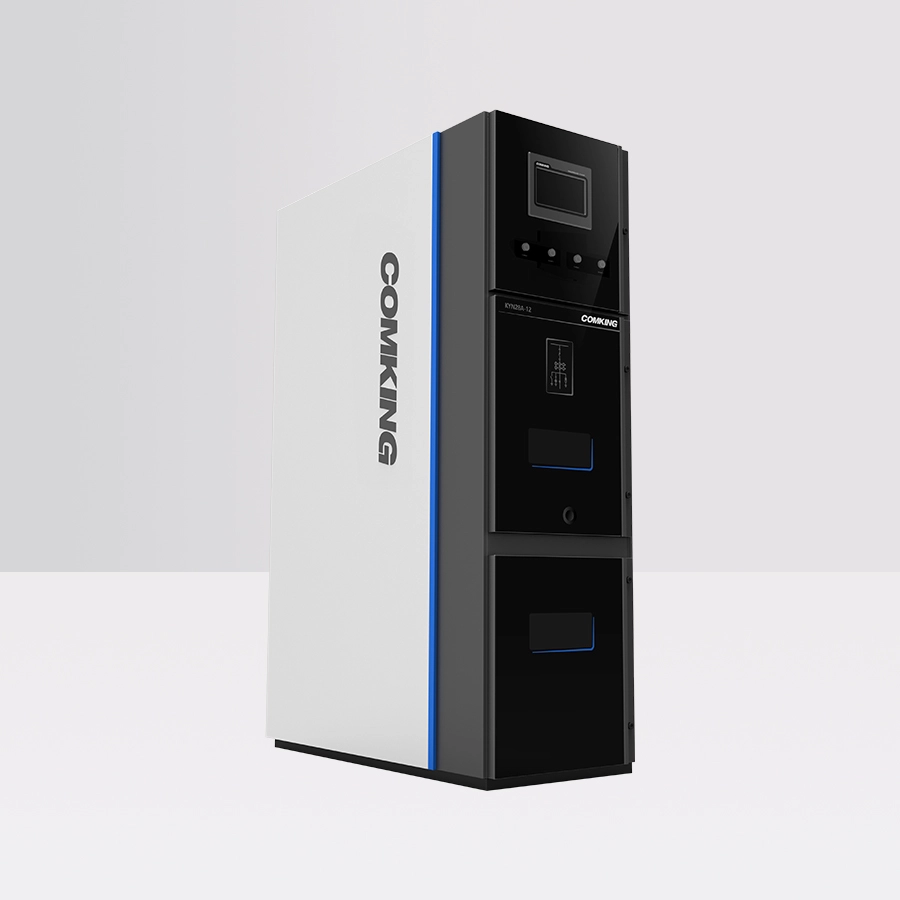
On the residential front, the Home energy storage on sale segment has seen a surge of interest from homeowners seeking to reduce electricity bills and gain energy independence. These systems are usually wall‑mounted or floor‑standing units with capacities ranging from 5kWh to 20kWh, paired with hybrid inverters for grid‑tied or off‑grid operation. Modern home storage units feature sleek designs, low noise levels, and plug‑and‑play connectivity, allowing for simpler installation by certified electricians. They are often compatible with leading solar inverters and can be controlled via smartphone apps that display real‑time consumption, battery status, and grid import/export. The availability of such products through various distribution channels has made them more accessible to end‑users, though buyers are advised to verify local certification requirements (e.g., VDE, UL, IEC) and warranty terms.
Zhuhai Comking Electric Co., Ltd. offers solutions across all three of these product categories – intelligent storage cabinets with remote management, modular liquid‑cooled systems configurable from 100kWh to MWh‑scale, and residential storage units designed for daily cycling. The company’s engineering team emphasises cell‑to‑pack safety strategies, including multi‑layer overcurrent protection and thermal runaway prevention, while also providing flexible communication interfaces for integration with third‑party energy management systems. As the storage market continues to mature, the combination of smart controls, efficient cooling, and scalable architecture is expected to drive wider adoption, supporting both grid stability and end‑user resilience without compromising on operational safety.