












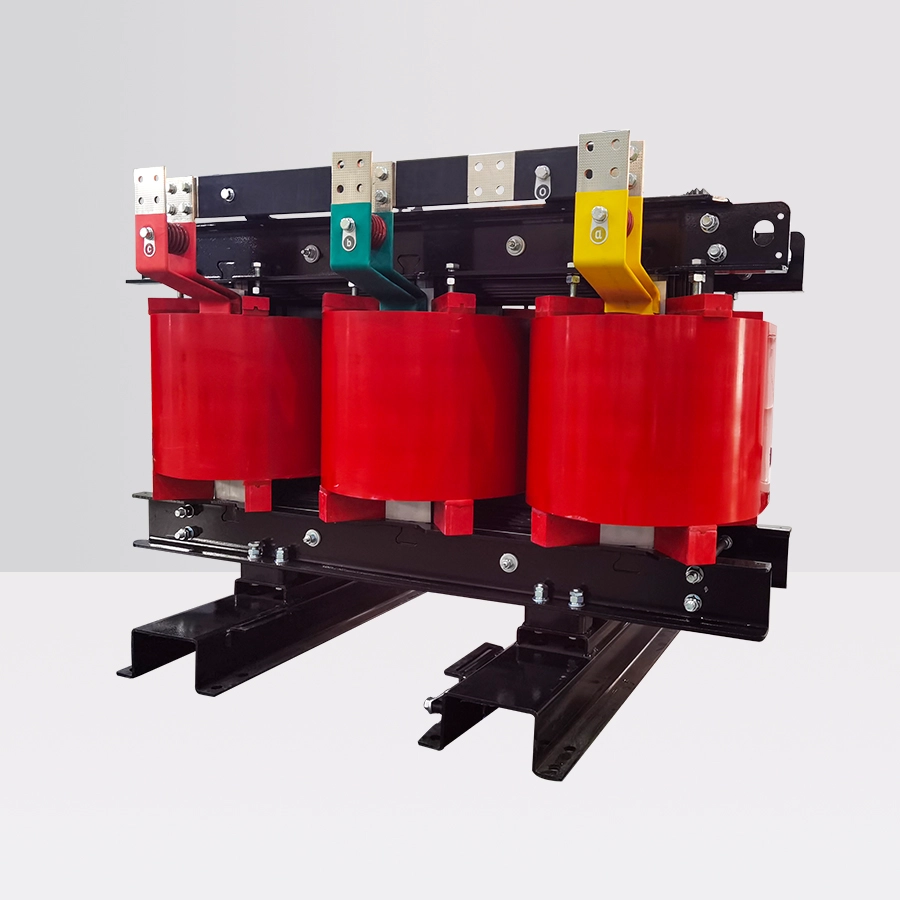
Advanced Ring Main Unit Technologies Address Diverse Grid and Environmental Requirements
As medium‑voltage distribution networks expand to accommodate renewable generation, urban infill, and industrial loads, the choice of ring main units (RMUs) has become increasingly strategic. RMUs serve as compact switching and protection points in secondary substations, connecting incoming feeders to distribution transformers and downstream rings. Modern utilities and project developers now evaluate three principal insulation technologies – air, SF₆‑free gas, and solid epoxy – each offering distinct advantages in terms of footprint, environmental impact, and lifecycle maintenance.
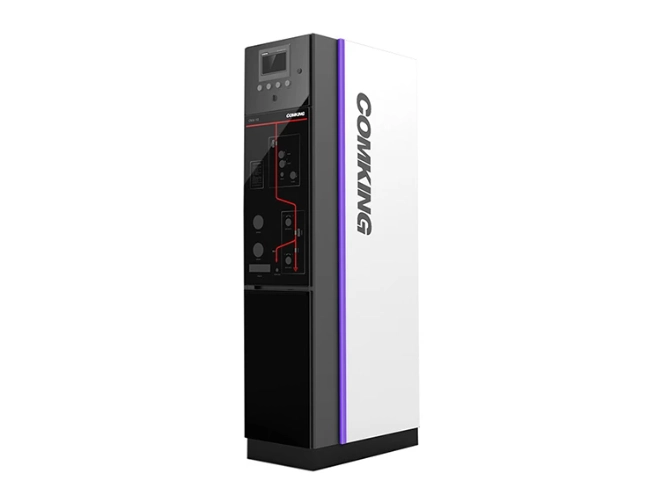
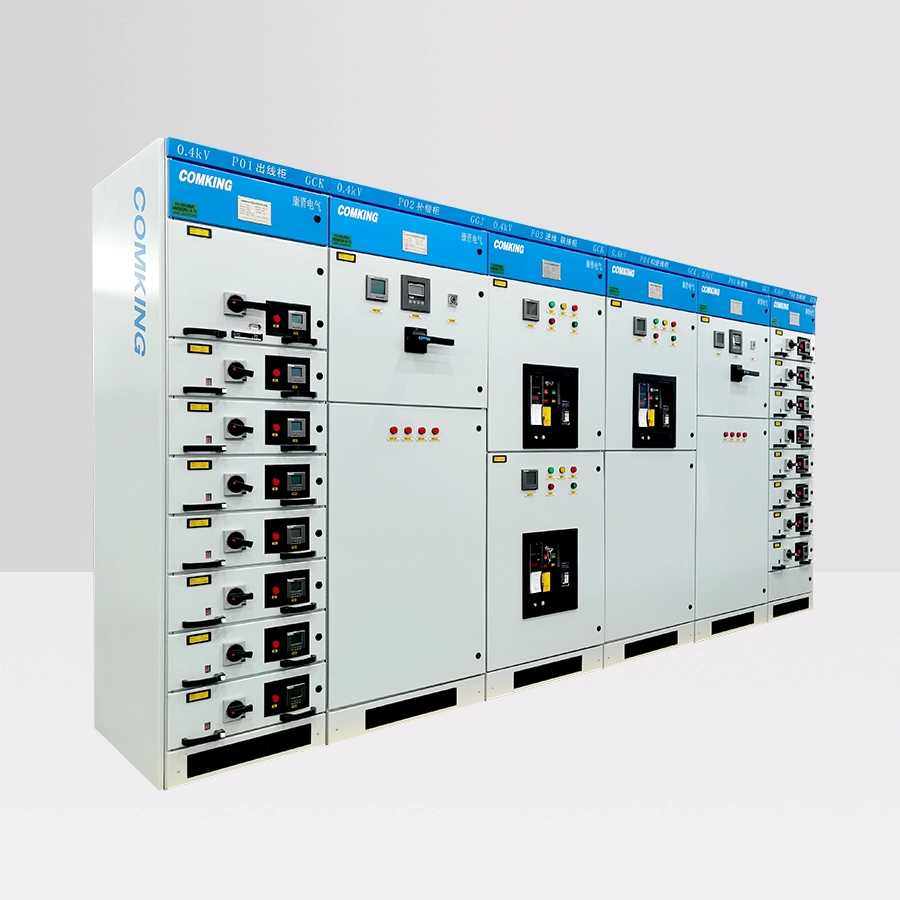
For indoor applications with moderate ambient conditions, the Air insulated ring main unit manufacturer supplies equipment that relies on atmospheric air as the primary dielectric between live parts and earth. These units are typically housed in metal enclosures with visible air gaps, allowing straightforward visual inspection and simplified repair. Air‑insulated RMUs are favoured for their proven reliability, lower upfront investment, and ease of retrofitting in existing switchgear rooms. They are often equipped with manually or motor‑operated load‑break switches and fuse combinations for transformer protection, and they comply with IEC 62271‑200 standards for internal arc classification.
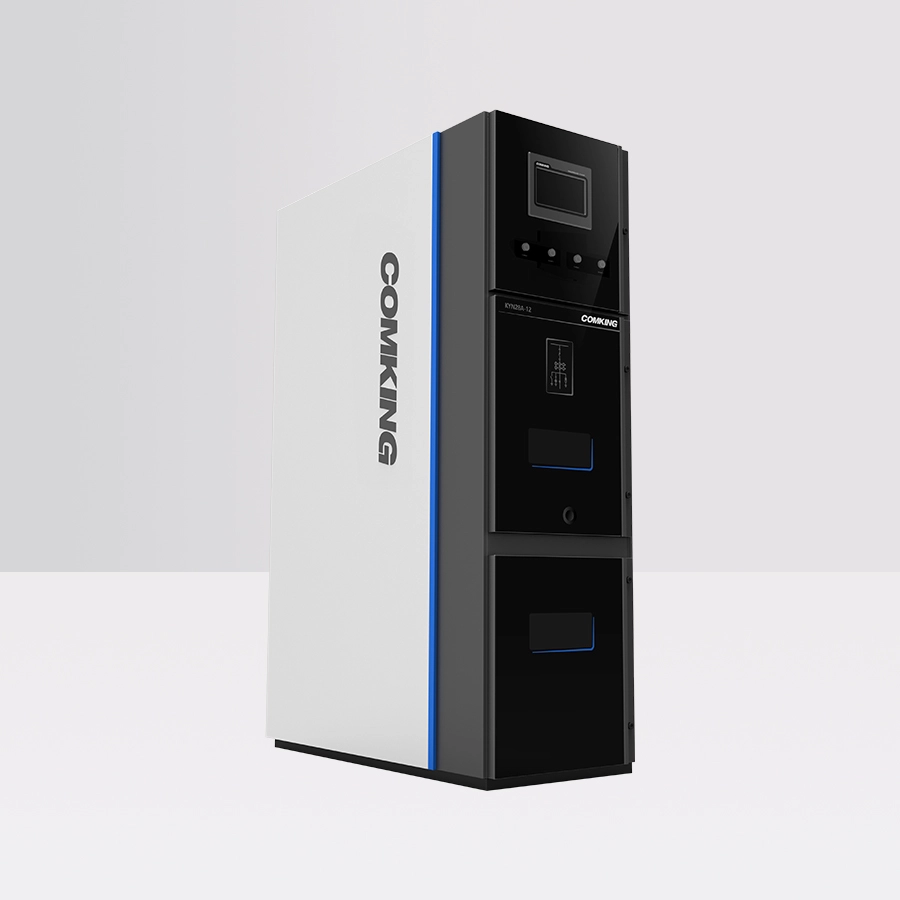
In contrast, the push for reduced greenhouse gas emissions has driven interest in the SF6 free gas insulated switchgear, which replaces sulphur hexafluoride with alternative insulating gases such as clean air, nitrogen, or fluoroketone‑based mixtures. These eco‑efficient solutions maintain the compact footprint and high dielectric strength characteristic of gas‑insulated switchgear, while virtually eliminating the global warming potential associated with SF₆ leaks. Such switchgear is particularly suitable for densely populated urban areas and environmentally sensitive sites, where utility operators are increasingly mandating SF₆‑free designs for new installations. The switchgear retains the sealed‑for‑life construction that ensures reliable operation under harsh conditions, with low maintenance requirements over its service life.
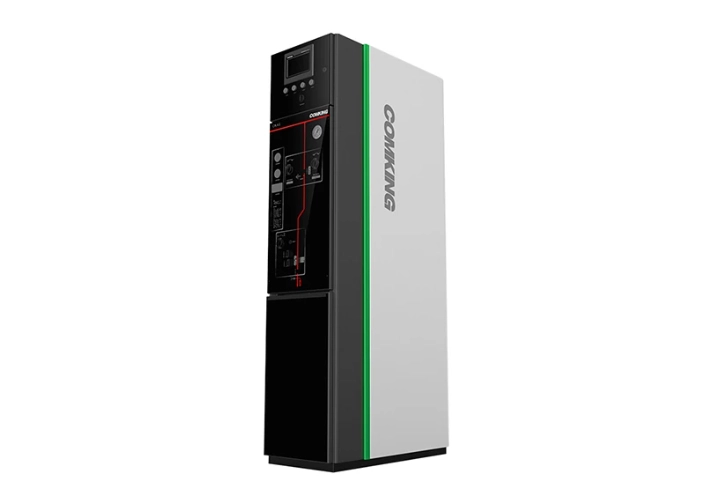
For extreme environments – such as high humidity, salt fog, or heavy pollution – the CKSS 12kV epoxy solid insulated ring main unit supplier offers a fully encapsulated alternative. In this design, all high‑voltage conductors are embedded in epoxy resin, eliminating the need for any insulating gas or air gaps. The solid insulation provides inherent resistance to moisture, dust, and corrosion, and it significantly reduces the risk of internal arcing faults. The CKSS 12kV model is typically configured as a modular system, allowing combinations of incoming, outgoing, and transformer feeder panels with optional automation and remote control interfaces. Its maintenance interval is notably extended, as the solid‑encapsulated parts require no regular cleaning or gas pressure monitoring.
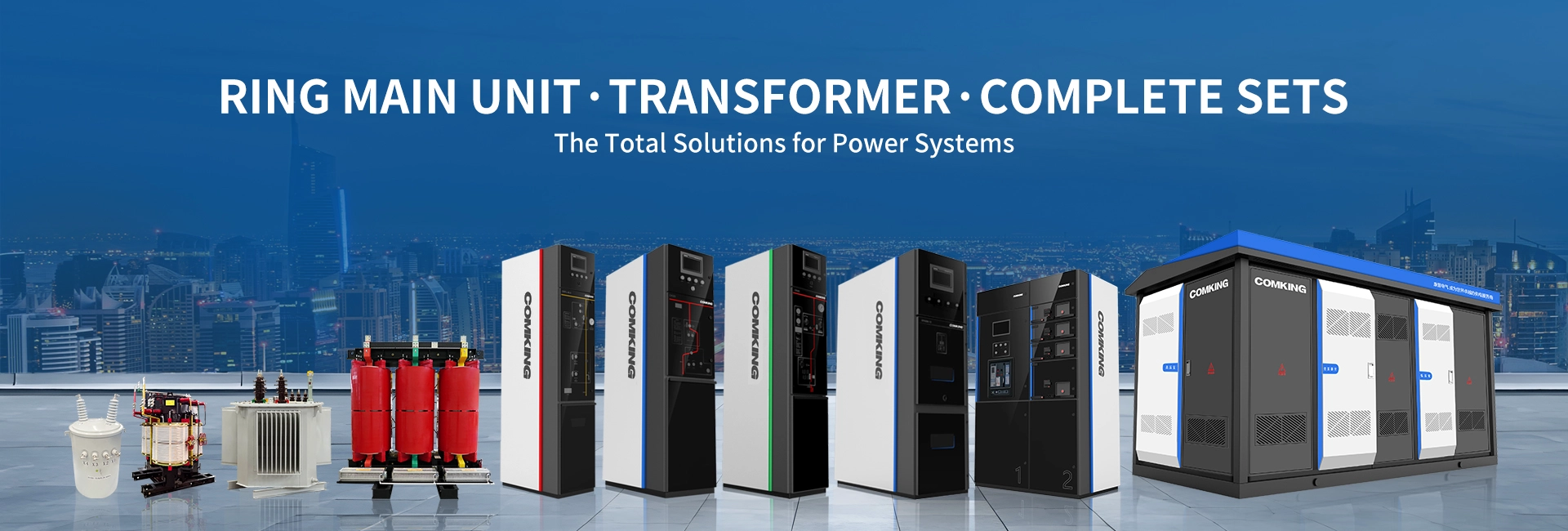
Zhuhai Comking Electric Co., Ltd. is a supplier that covers all three of these RMU technology streams – offering air‑insulated units with ratings up to 24kV, SF₆‑free gas‑insulated switchgear with enhanced environmental compliance, and the CKSS‑series epoxy solid‑insulated RMU for demanding site conditions. All products undergo type tests for dielectric withstand, temperature rise, and short‑time current endurance in accordance with international standards. The company also provides customisation options such as auxiliary voltage variants, communication protocols (IEC 61850, Modbus), and enclosure ratings for indoor or outdoor installation. As grid operators balance cost, sustainability, and reliability, the availability of diverse RMU technologies ensures that each project can select the most appropriate solution without compromise.