












Industry Focus: Eco‑Friendly Ring Main Units Gain Momentum as SF₆ Alternatives Advance
Utilities and industrial project developers are increasingly evaluating switchgear solutions that reduce greenhouse gas emissions while maintaining reliable performance in secondary distribution networks. Among the most discussed developments are ring main units (RMUs) that eliminate sulphur hexafluoride (SF₆) – a potent insulating gas with a global warming potential thousands of times higher than CO₂. The shift toward vacuum and solid‑insulation technologies is now reshaping product portfolios, with several proven designs already operating in commercial and renewable‑energy applications.
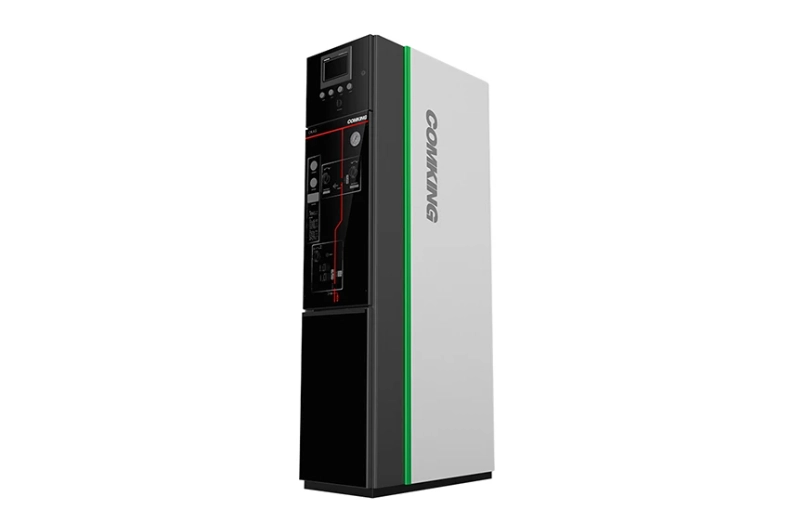
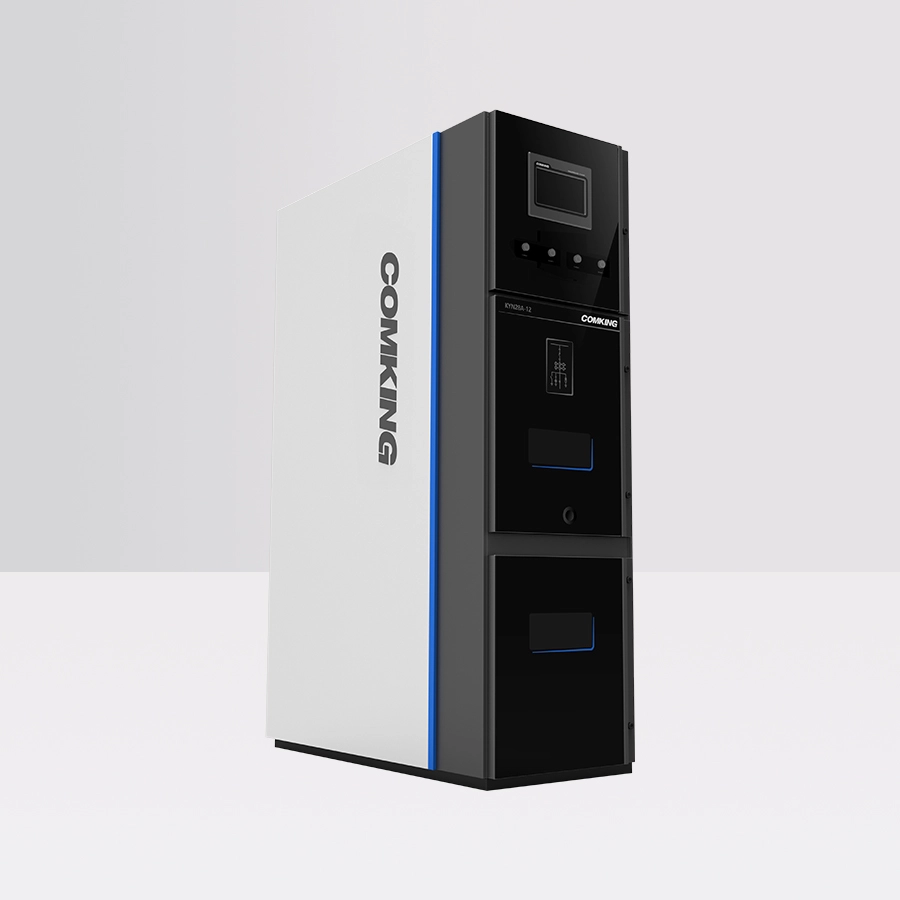
A key area of interest is the SF6 free ring main unit China – these units typically employ vacuum circuit‑breaker technology combined with solid or dry‑air insulation for the busbar and cable compartments. Without SF₆, operators avoid complex gas handling, periodic leakage checks, and end‑of‑life disposal costs. Modern SF₆‑free RMUs are available in compact two‑, three‑, or four‑way configurations, often with integrated fault indicators and motor‑operated mechanisms for remote control. They are rated up to 24kV and 630A, suiting most loop‑ and radial‑type distribution networks found in residential complexes, shopping malls, and small industrial parks.
For applications requiring a fully sealed enclosure with higher protection levels, the SF6 free gas insulated switchgear category offers a different approach – these designs replace SF₆ with alternative gases such as clean air (dry compressed air) or fluoronitrile mixtures, while retaining the compact footprint characteristic of gas‑insulated switchgear. The switchgear retains the benefits of metallic encapsulation and arc‑resistant construction, yet the dielectric medium has a negligible environmental impact. Such products are increasingly specified for substations in urban areas where space is at a premium and where environmental regulations restrict SF₆ use. Ratings typically extend to 40.5kV and 1250A, with options for circuit‑breaker and load‑break switches.
Among the solid‑insulation solutions, the CKSS 12kV epoxy solid insulated ring main unit supplier offers a maintenance‑friendly alternative where the primary conductors are fully embedded in epoxy resin. This eliminates both gas and vacuum chambers, relying instead on the solid dielectric's inherent insulating and heat‑dissipation properties. The CKSS‑type RMU is designed for 12kV networks, with a modular structure that allows easy expansion and field replacement of fuse‑switch combinations. It is particularly suited for harsh environments – such as coastal areas or dusty industrial sites – because the solid encapsulation prevents ingress of moisture and contaminants.
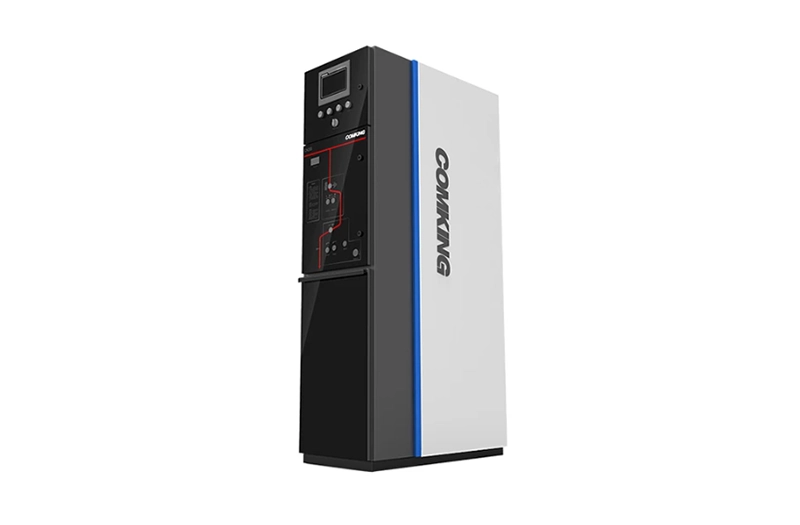
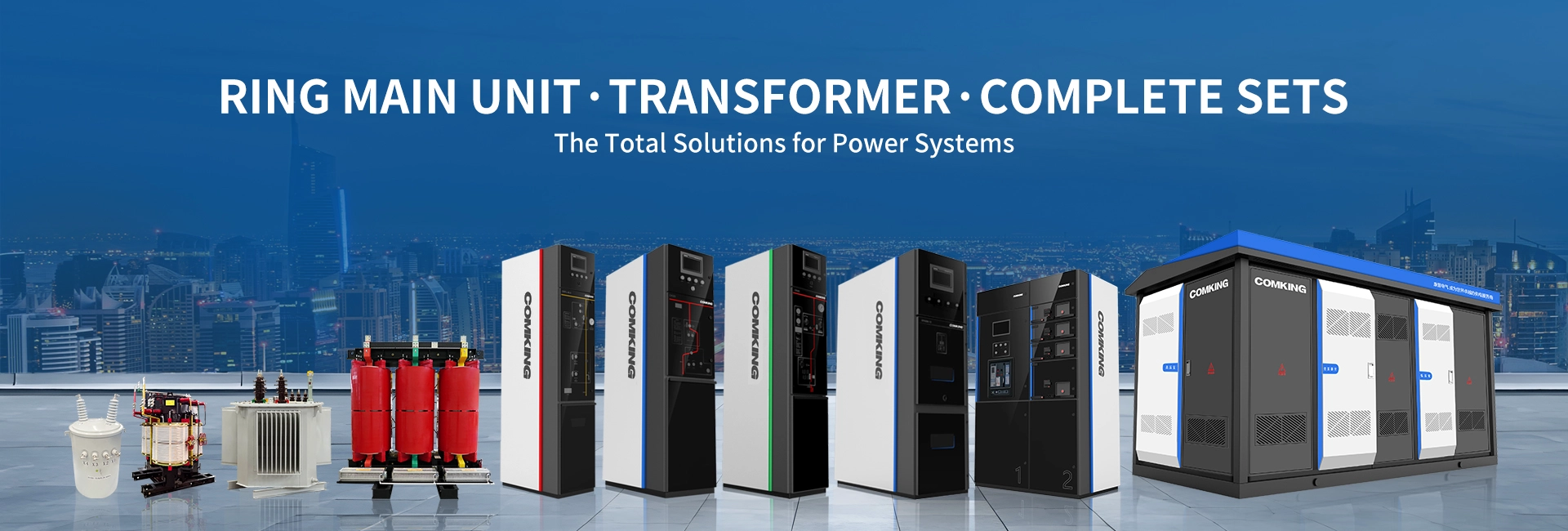
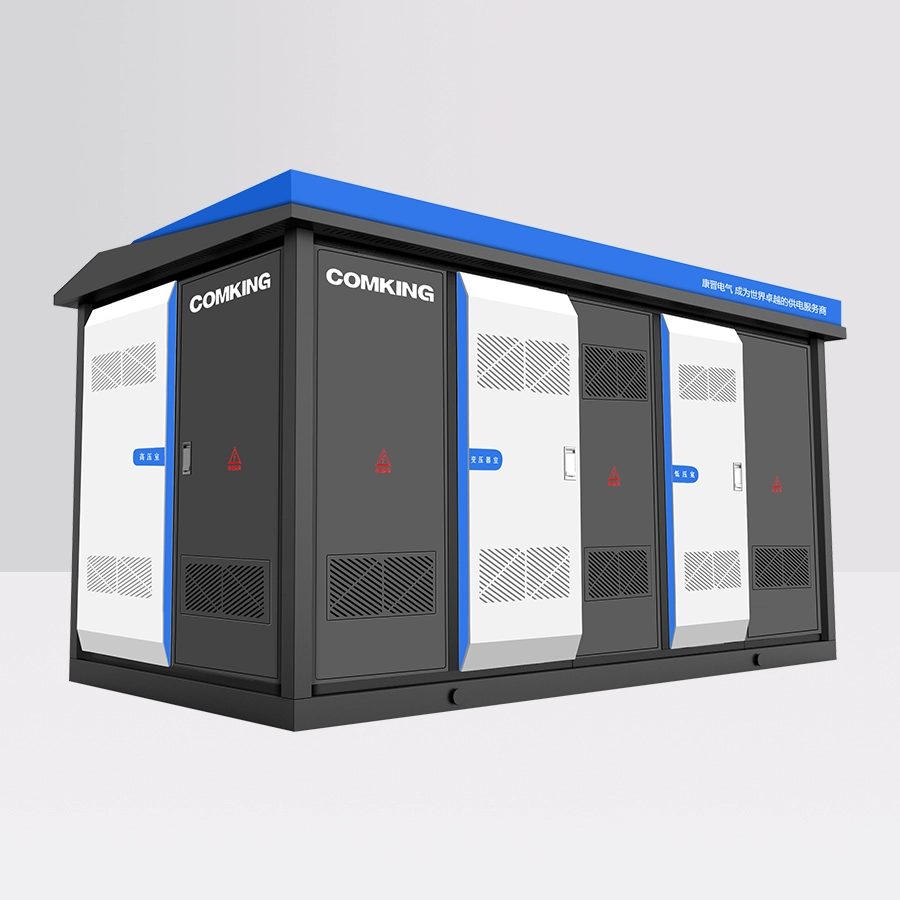
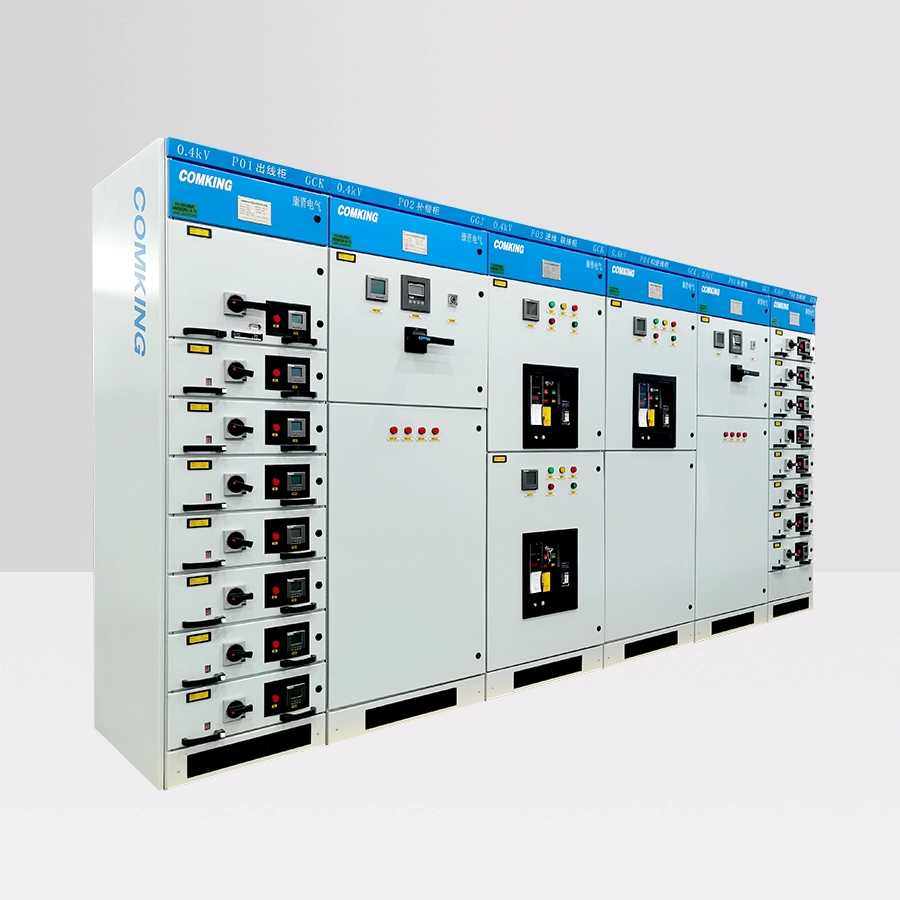
Zhuhai Comking Electric Co., Ltd. provides a range of RMUs covering these three categories, including SF₆‑free air‑insulated and solid‑insulated models, as well as gas‑insulated switchgear using eco‑friendly dielectric media. All products undergo type tests per IEC 62271‑200 and 62271‑201, with mechanical endurance verified for over 10,000 operations. The company also offers customised panel configurations, auxiliary supplies for DC or AC control, and communication protocols for digital substation integration.
As power system operators worldwide commit to carbon reduction targets, the adoption of SF₆‑free technologies is expected to accelerate. While SF₆ remains widely used due to its excellent dielectric strength, the availability of reliable alternatives – especially in the RMU and compact switchgear segments – gives engineers practical options to lower the environmental footprint without compromising grid reliability or safety standards.