











Integrating Energy Storage with Distribution Automation for Smarter Grid Management
As power distribution networks become more complex with the integration of distributed generation and variable loads, the role of energy storage systems has expanded beyond backup power to active grid support. Modern distribution automation now increasingly coordinates with battery storage to balance voltage profiles, manage peak demand, and enhance overall system stability. Within this evolving landscape, the convergence of intelligent storage hardware and automated control offers significant operational benefits for utilities and end‑users alike.
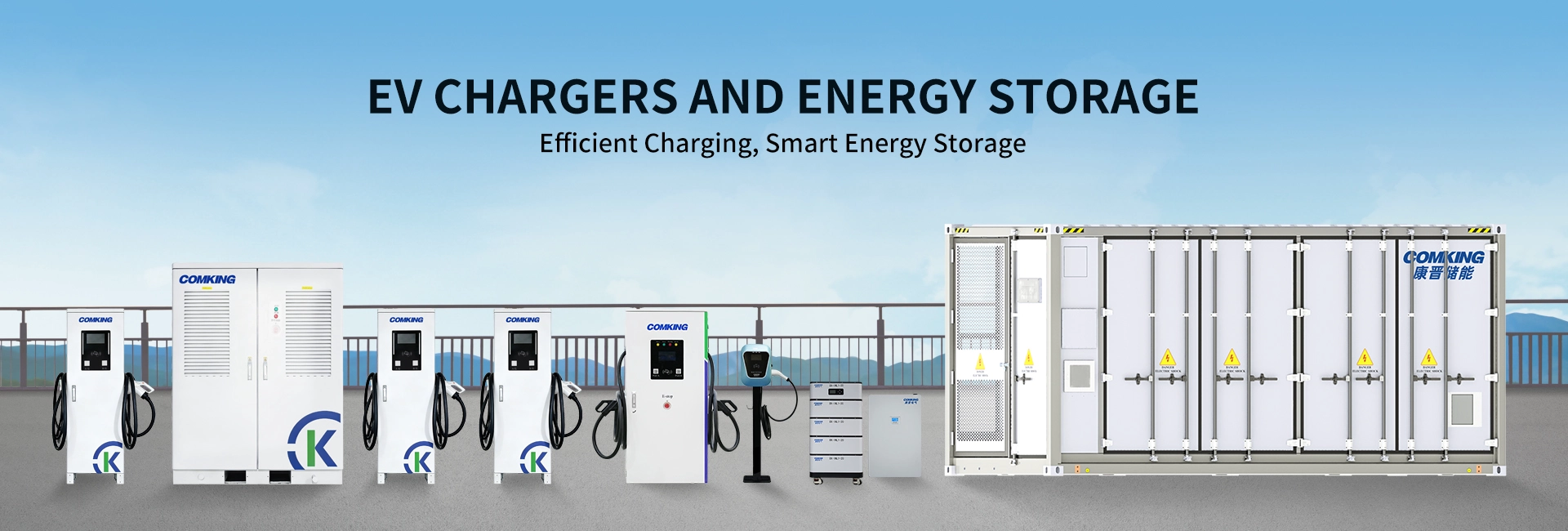
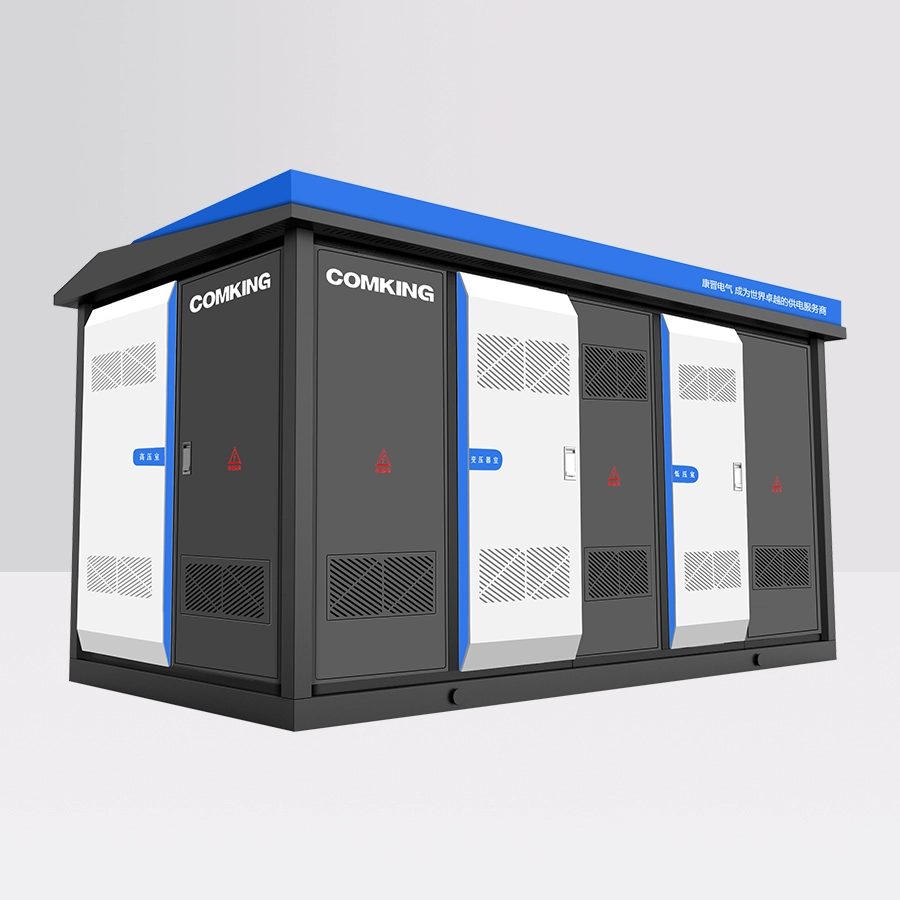
A key enabler in this space is the Smart energy storage cabinet manufacturer – these suppliers produce pre‑assembled, enclosure‑based battery systems that include integrated battery management, thermal control, and power conversion modules. Such cabinets are designed for both indoor and outdoor deployment, with IP ratings suitable for diverse environments. When connected to the distribution network via smart feeder terminals and communication gateways, these storage cabinets can receive real‑time dispatch commands from the automation head‑end, enabling functions like peak shaving, frequency regulation, and reactive power compensation. The cabinet form factor simplifies site installation and standardises maintenance procedures, making it an attractive option for substation‑adjacent or industrial site placements.
For larger‑scale or high‑density installations, thermal management becomes a critical performance factor. The Modular Liquid Cooling Strong Scalability approach addresses this by using liquid‑cooled plates and circulation systems that maintain optimal battery cell temperatures even under high charge/discharge rates. Modular architecture allows operators to start with a baseline capacity and add additional battery modules or cooling units as demand grows, without overhauling the entire system. This scalability is particularly valuable for distribution grid operators who need to incrementally increase storage capacity at specific substations or feeder sections, while liquid cooling ensures consistent efficiency and extends battery cycle life compared to air‑cooled alternatives.
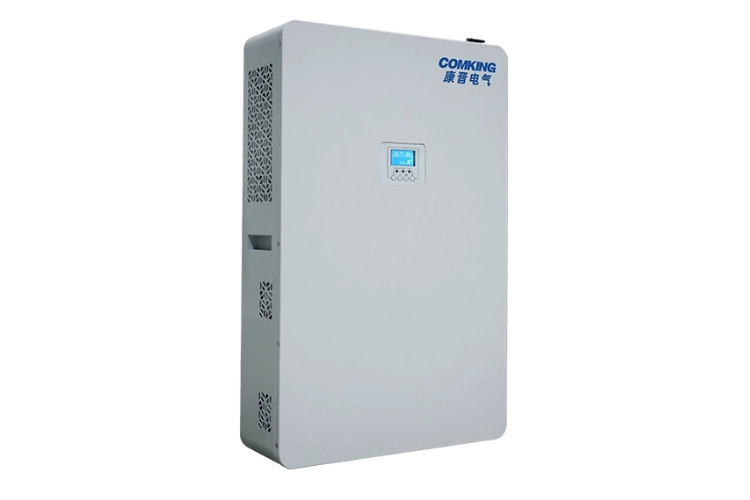
On the customer side, the Home energy storage on sale segment is gaining momentum as residential consumers seek to reduce electricity bills and gain backup protection. These home‑scale units typically range from 5 kWh to 20 kWh and are coupled with rooftop solar or used for time‑of‑use arbitrage. Crucially, modern residential storage systems are now equipped with communication interfaces (Wi‑Fi, Ethernet, or cellular) that allow them to participate in demand‑response programmes managed by the distribution automation platform. Through such connectivity, utility operators can remotely control the charge/discharge of thousands of home batteries during peak events, effectively using them as distributed flexibility resources. This symbiotic relationship between home storage and grid automation helps defer costly infrastructure upgrades while improving feeder load factors.
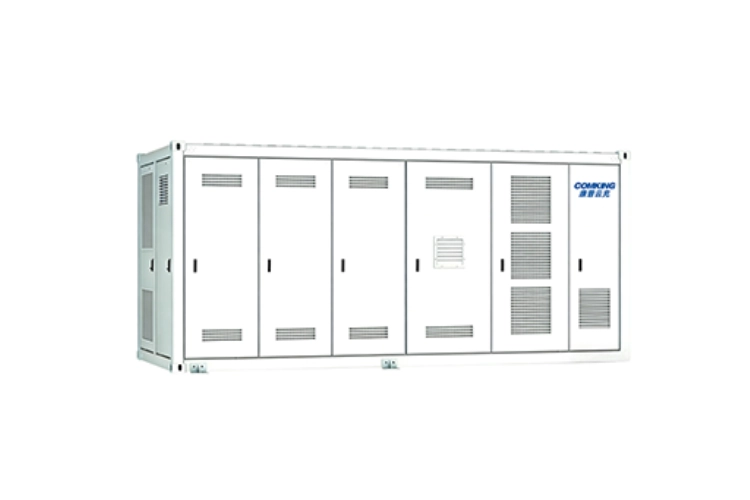
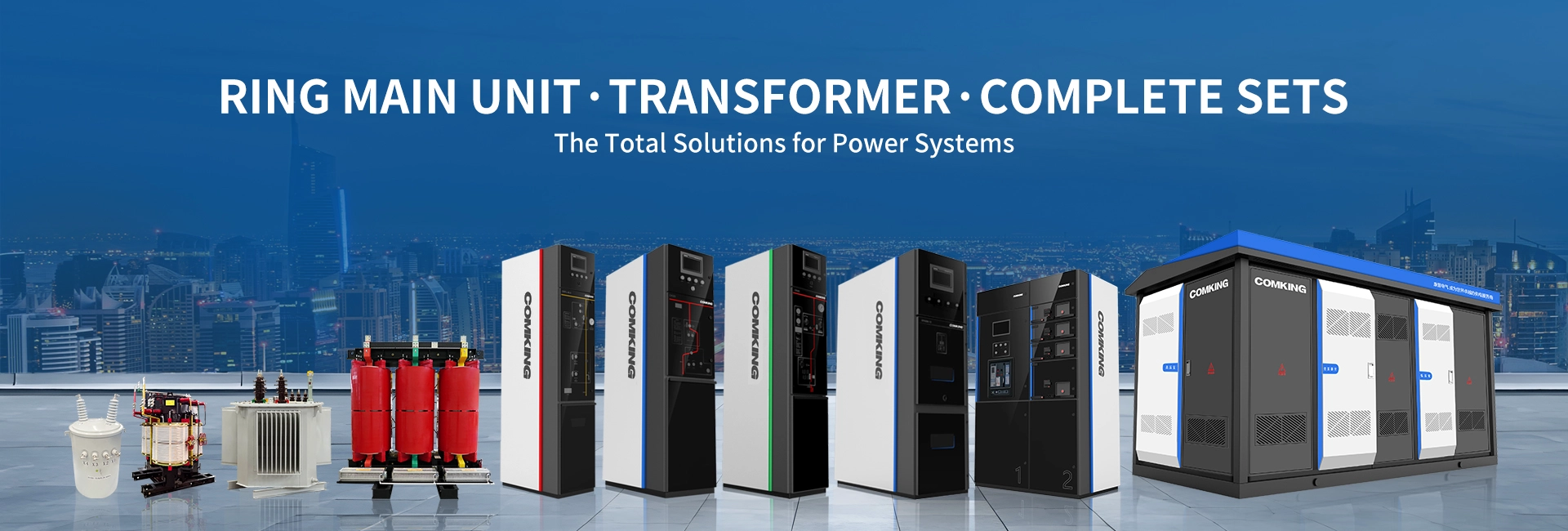
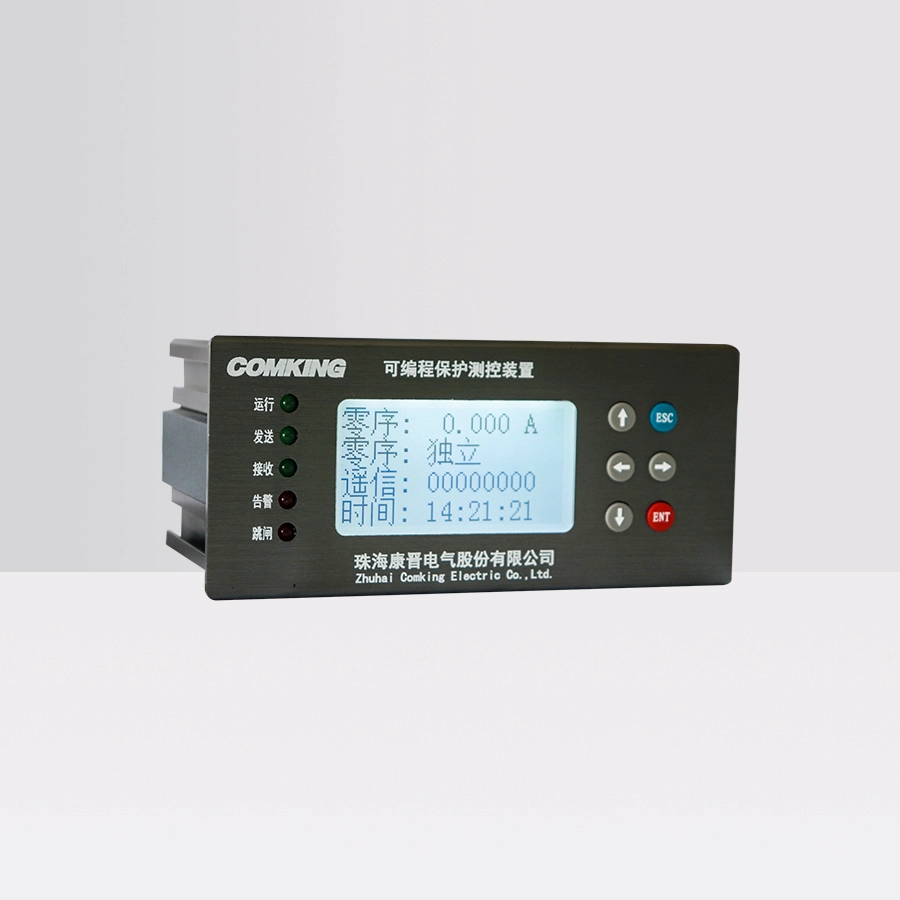
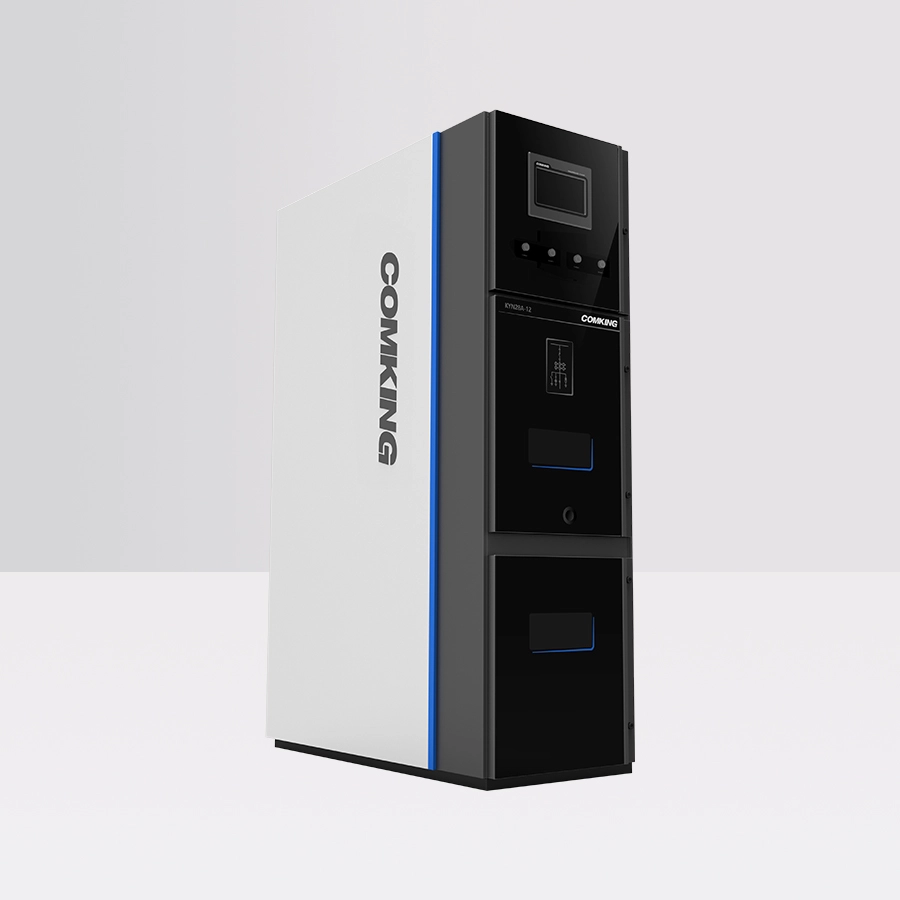
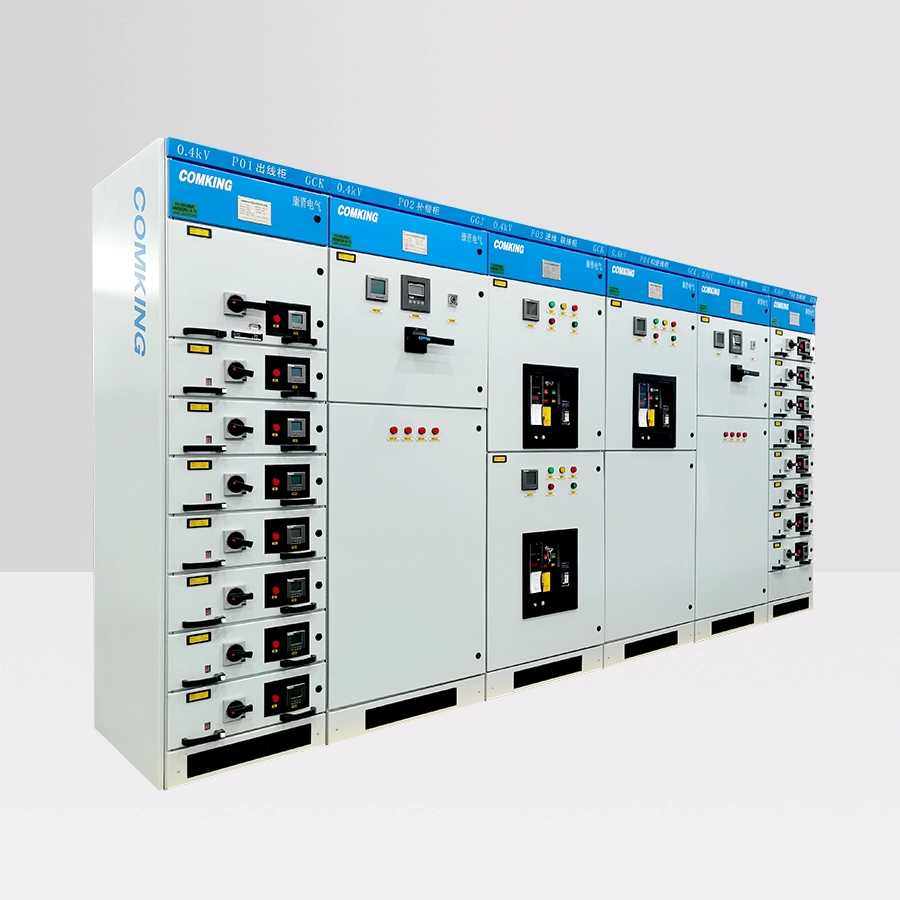
Zhuhai Comking Electric Co., Ltd. offers a comprehensive portfolio that covers these three areas – from industrial‑grade smart storage cabinets with modular liquid‑cooling options, to residential energy storage systems ready for integration with standard distribution automation protocols. Their products support common communication standards such as Modbus, IEC 61850, and CAN bus, ensuring seamless interoperability with existing feeder terminals and SCADA systems. Furthermore, the company provides technical documentation and remote configuration tools to facilitate commissioning and ongoing maintenance. As the share of renewables and storage continues to rise, the coupling of intelligent storage hardware with distribution automation will become increasingly essential for achieving reliable, efficient, and future‑ready power delivery networks.