












Versatile EV Charging Solutions Expand from Residential to High‑Power Fleet Applications
The global electric vehicle market continues to diversify, with charging needs spanning home garages, workplace parking, urban public stations, and highway corridors. To address this wide spectrum, equipment suppliers are offering scalable DC and AC charging platforms that balance installation costs, charging speed, and operational flexibility. Recent product portfolios now cover everything from compact overnight chargers to high‑output units capable of serving multiple vehicles simultaneously.
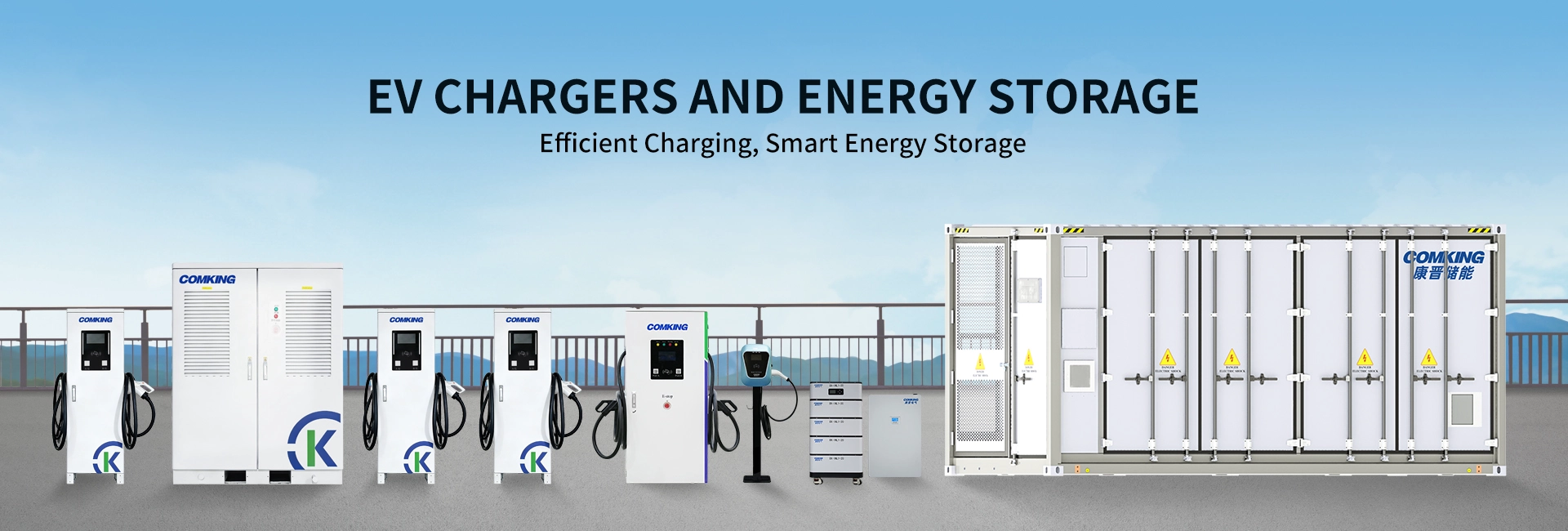
For residential and light commercial settings, the 7kw/14kw EV charger manufacturer china provides AC wall‑mounted and pedestal‑type units that are ideal for overnight top‑ups. The 7kW model suits single‑phase installations common in many households, while the 14kW version (typically split‑phase or three‑phase) can cut charging time by half for larger battery packs. These chargers feature standard Type 1, Type 2, or GB/T connectors, with optional RFID authentication, load balancing, and dynamic power adjustment to avoid overloading the building’s supply. Many also include Wi‑Fi or 4G connectivity for remote monitoring and scheduling, making them a practical choice for apartment complexes, hotel parking, and company fleets with predictable dwell times.
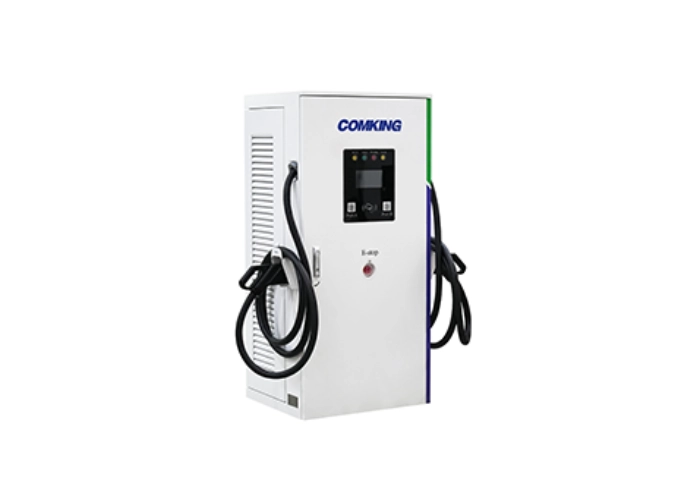
Stepping up to public and semi‑public charging hubs, the 120kw EV charger dual guns configuration offers a balanced solution for sites with moderate turnover. This DC fast charger delivers up to 120kW when a single vehicle is connected, and can split power dynamically between two guns when two EVs are plugged in simultaneously. Such flexibility allows operators to serve more vehicles per hour while optimising transformer capacity. The dual‑gun design reduces the per‑stall hardware cost compared to installing two separate units, and the charger’s compact footprint fits well in urban curbside installations or existing petrol station canopies. Integrated cooling systems and IP54‑rated enclosures ensure reliable operation across varied climates.
For fleet depots, expressway service areas, and high‑volume retail locations, the 160KW/240KW EV charger supplier china offers higher‑power DC solutions that drastically shorten charging sessions. A 160kW unit can replenish a typical passenger EV from 10% to 80% in under 20 minutes, while the 240kW variant supports even larger commercial vehicles such as electric vans and light trucks. These chargers are often equipped with liquid‑cooled cables to manage heat at high currents, and they support multiple charging protocols (CCS1, CCS2, CHAdeMO, and GB/T) through interchangeable connector heads. Advanced features include active power‑factor correction, wide input voltage ranges (300‑1000V), and compatibility with ISO 15118 for plug‑and‑charge and grid‑to‑vehicle services. Many models also allow parallel operation, enabling two units to be grouped for 480kW output when needed.
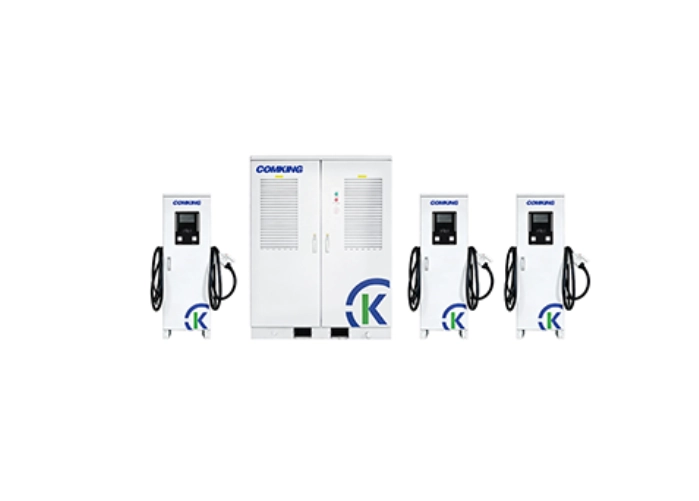
Zhuhai Comking Electric Co., Ltd. is a supplier that covers all three of these power tiers, manufacturing AC chargers from 7kW to 22kW, and DC fast chargers ranging from 20kW up to 240kW with dual‑gun or single‑gun options. The company’s products are tested for CE, UKCA, and other relevant certifications, with modular power modules that simplify maintenance and upgrades. They also offer customised enclosure colours, cable management systems, and backend integration with OCPP 1.6/2.0 for seamless connection to roaming platforms. As the industry shifts towards higher voltage architectures and larger battery packs, the availability of scalable charging equipment – from modest 7kW units to robust 240kW stations – ensures that infrastructure can keep pace with evolving vehicle technology and usage patterns, while maintaining a practical balance between capital expenditure and user convenience.